
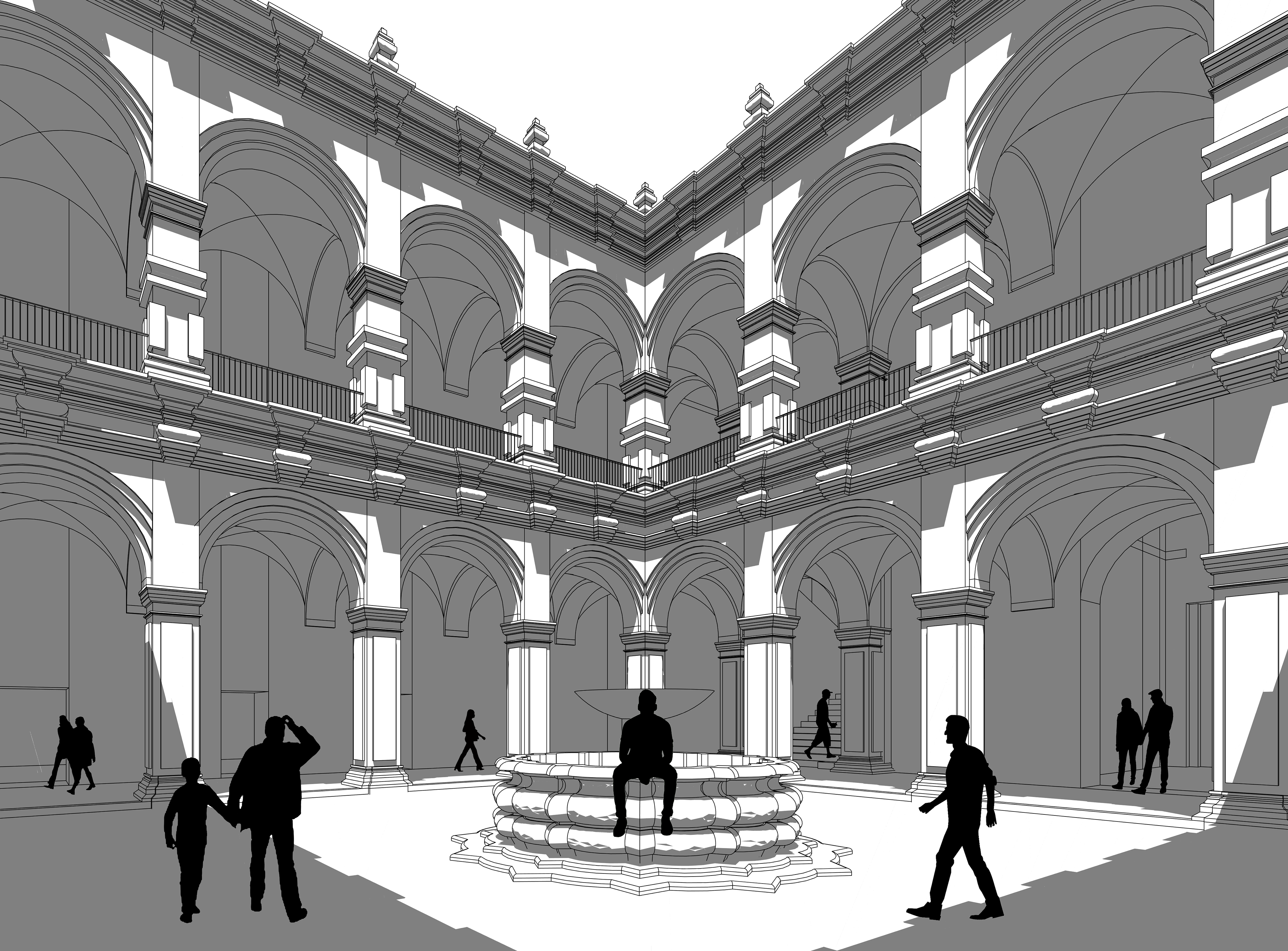
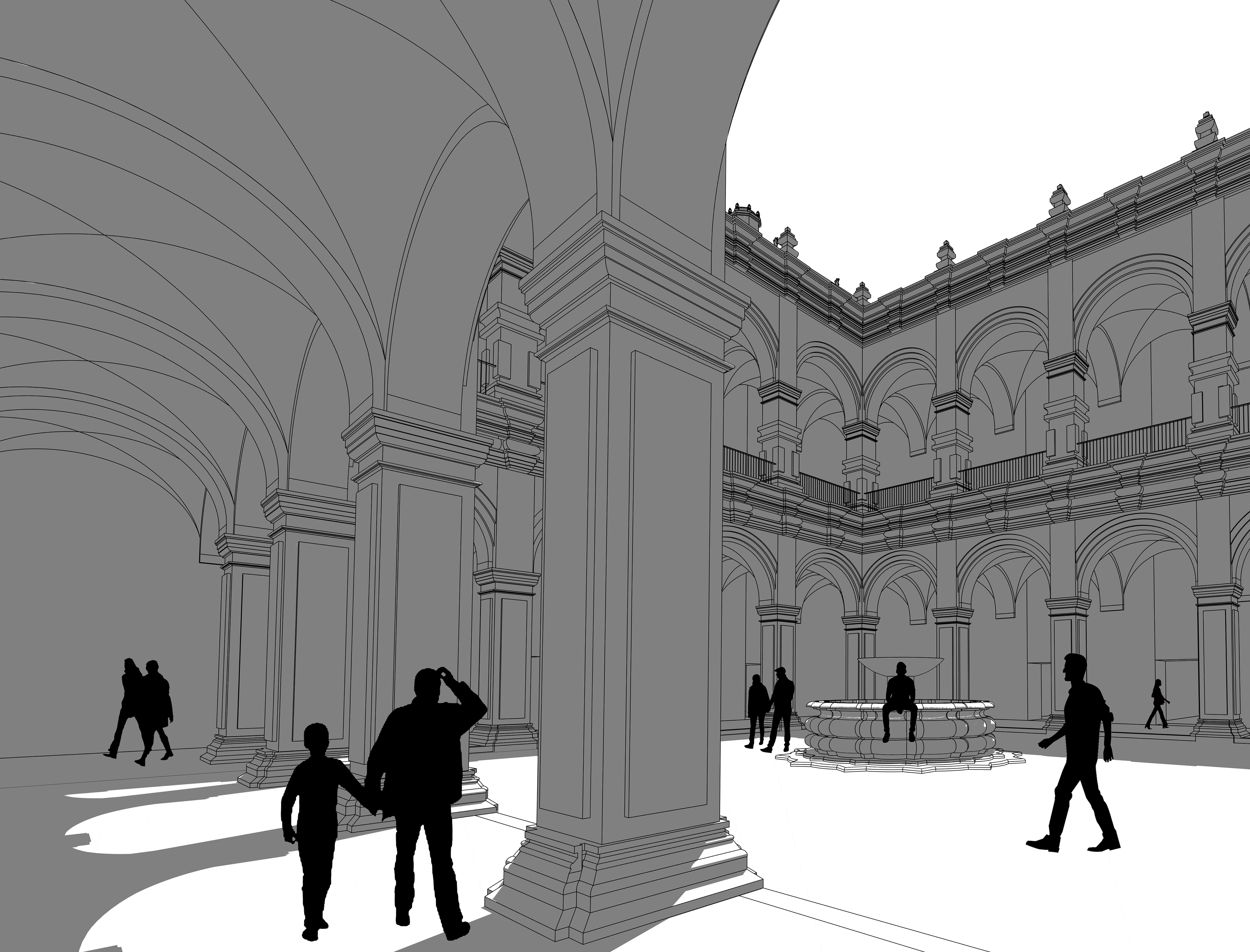
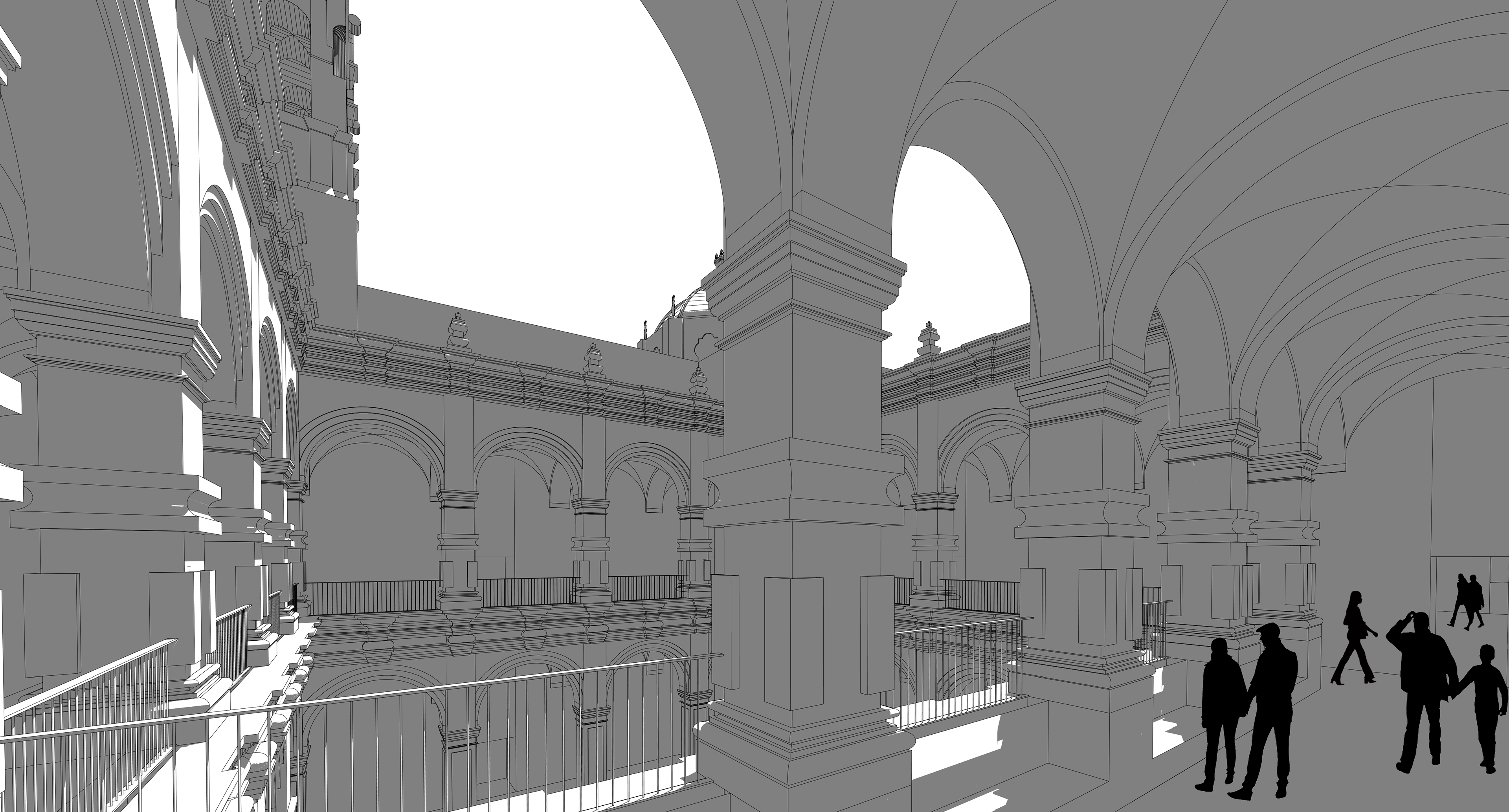
This academic assignment consisted of developing a detailed digital reconstruction of the Querétaro Museum of Art, located within the former Temple and Convent of San Agustín. The objective was to study the building’s geometry, spatial organization, and ornamental language through architectural modeling and documentation.
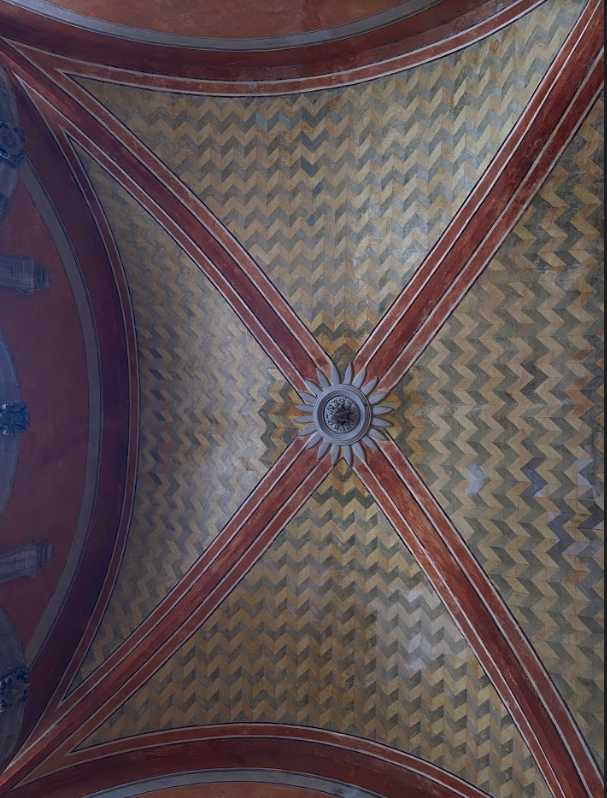
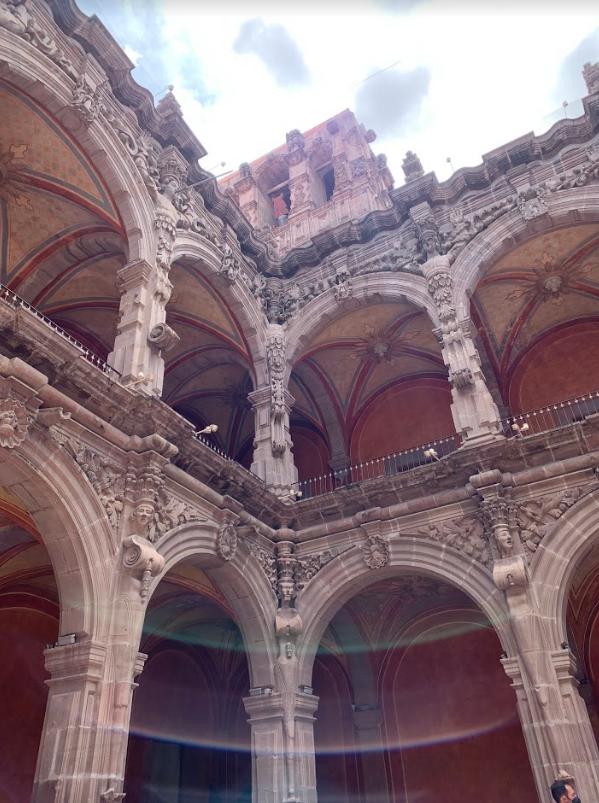
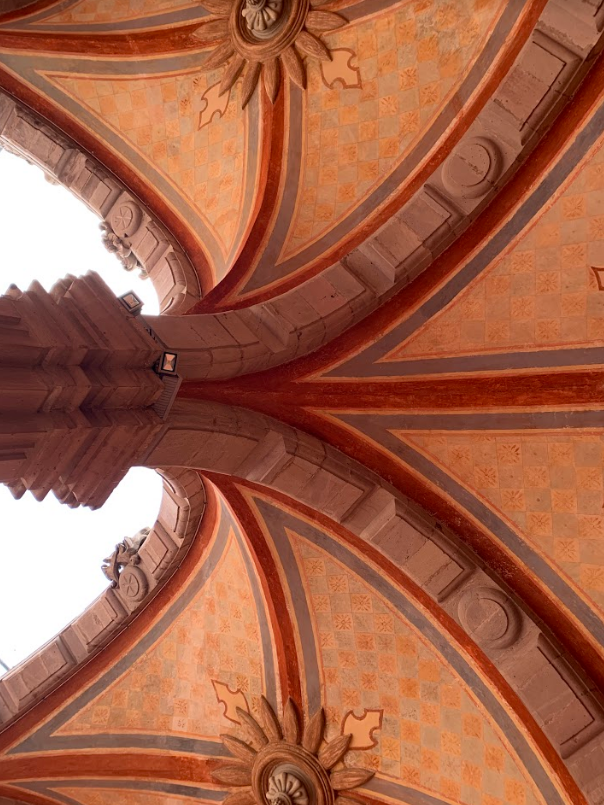
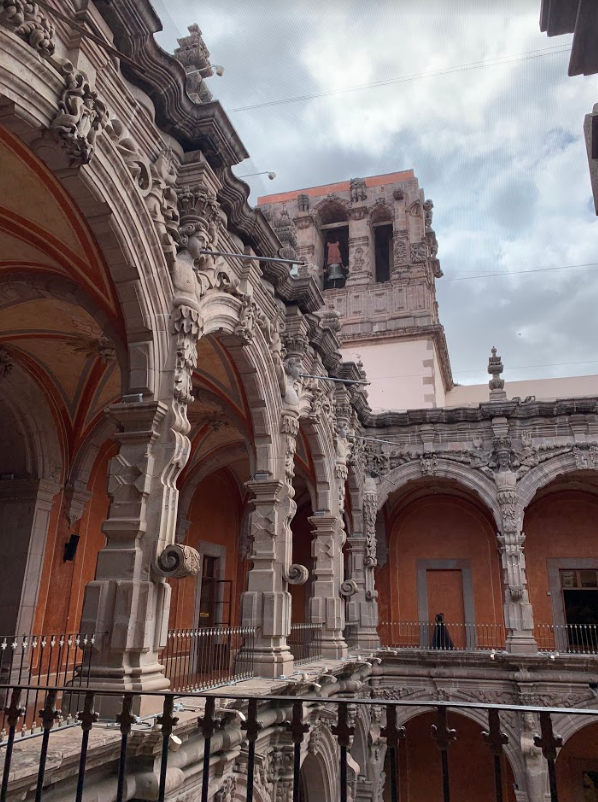
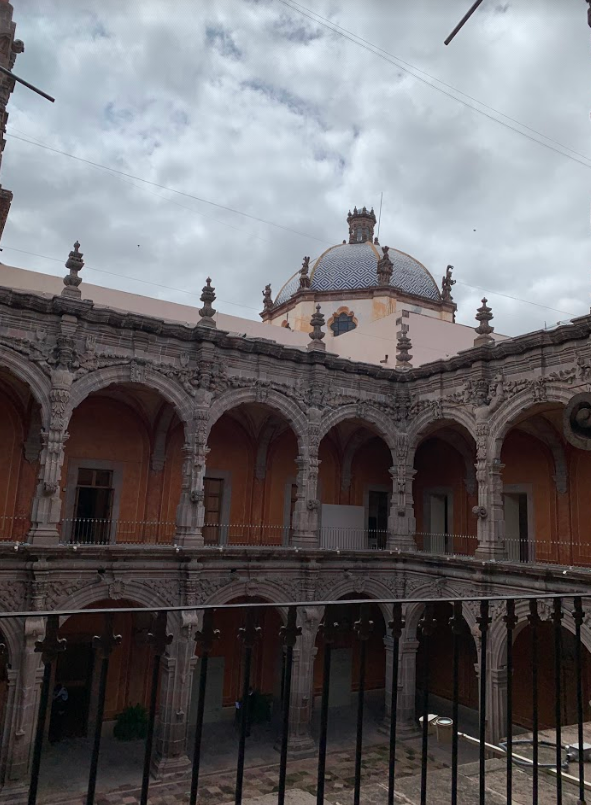
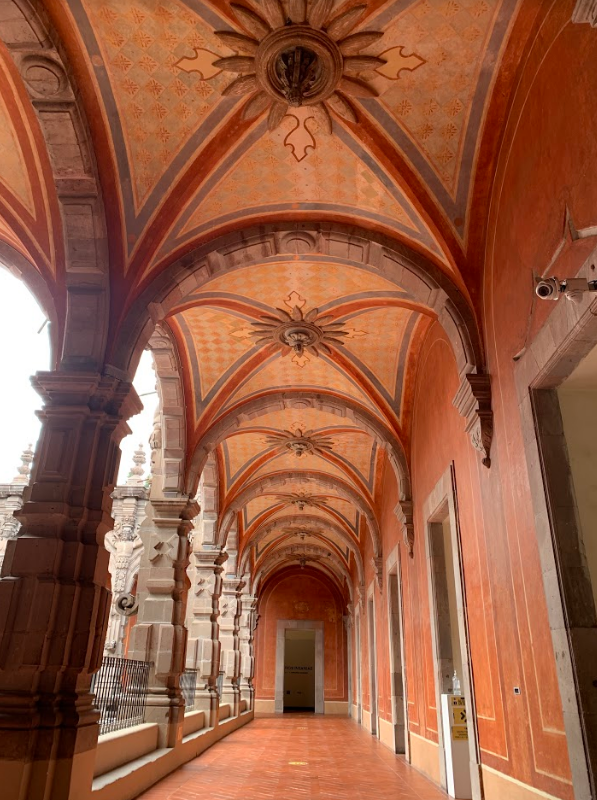
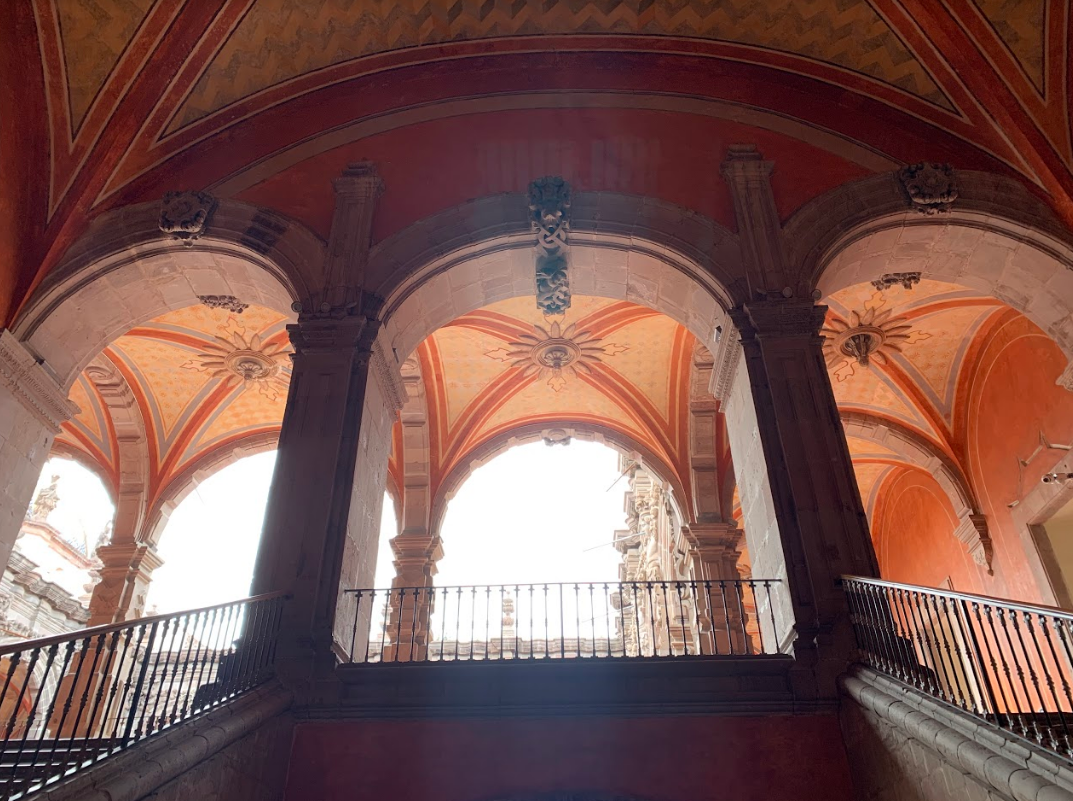
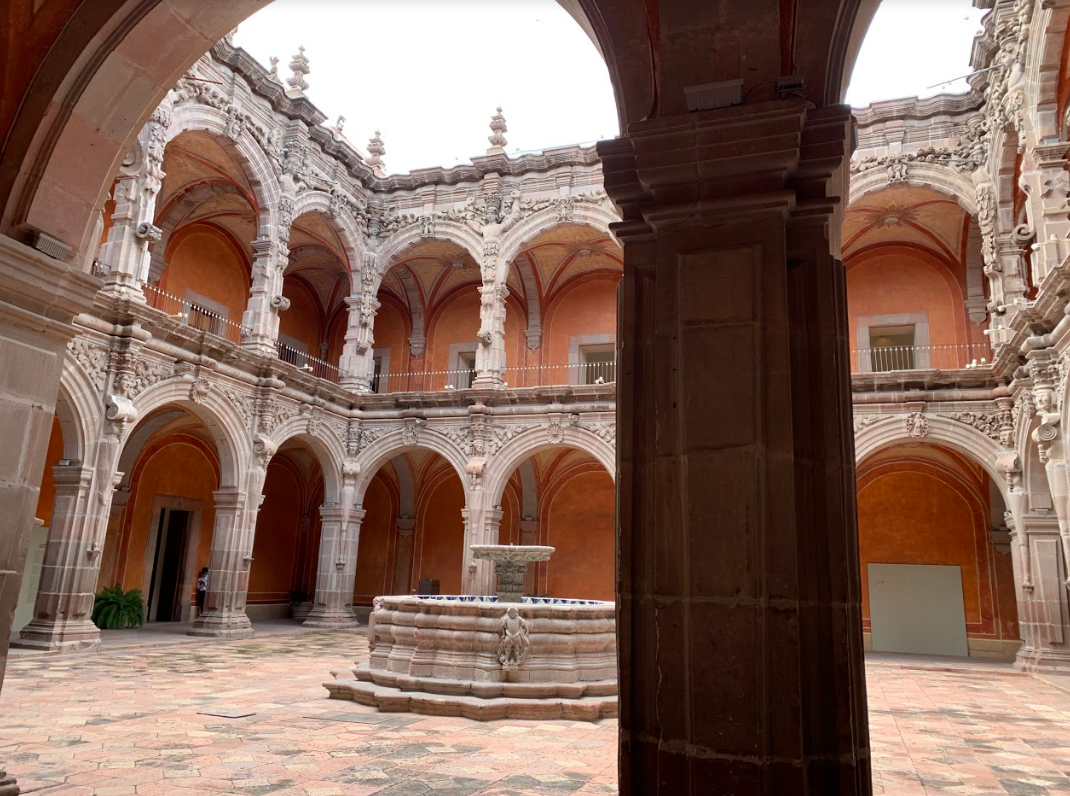
Because complete survey information was not available, the reconstruction was based on INAH floor plans, on-site photographs, online references, and an existing 3D model used only as an initial geometric reference. Perspective analysis was carried out to estimate dimensions and reproduce architectural elements such as doors, windows, arches, columns, moldings, façades, and the central courtyard.
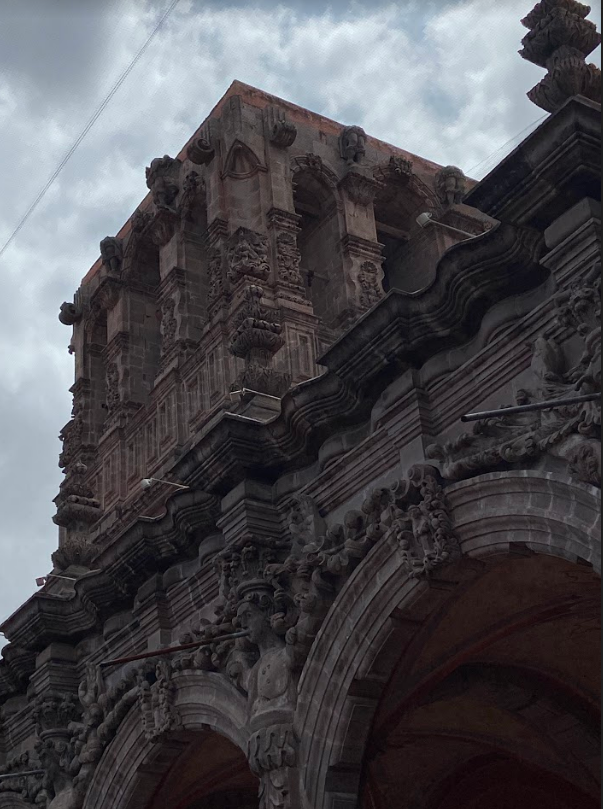
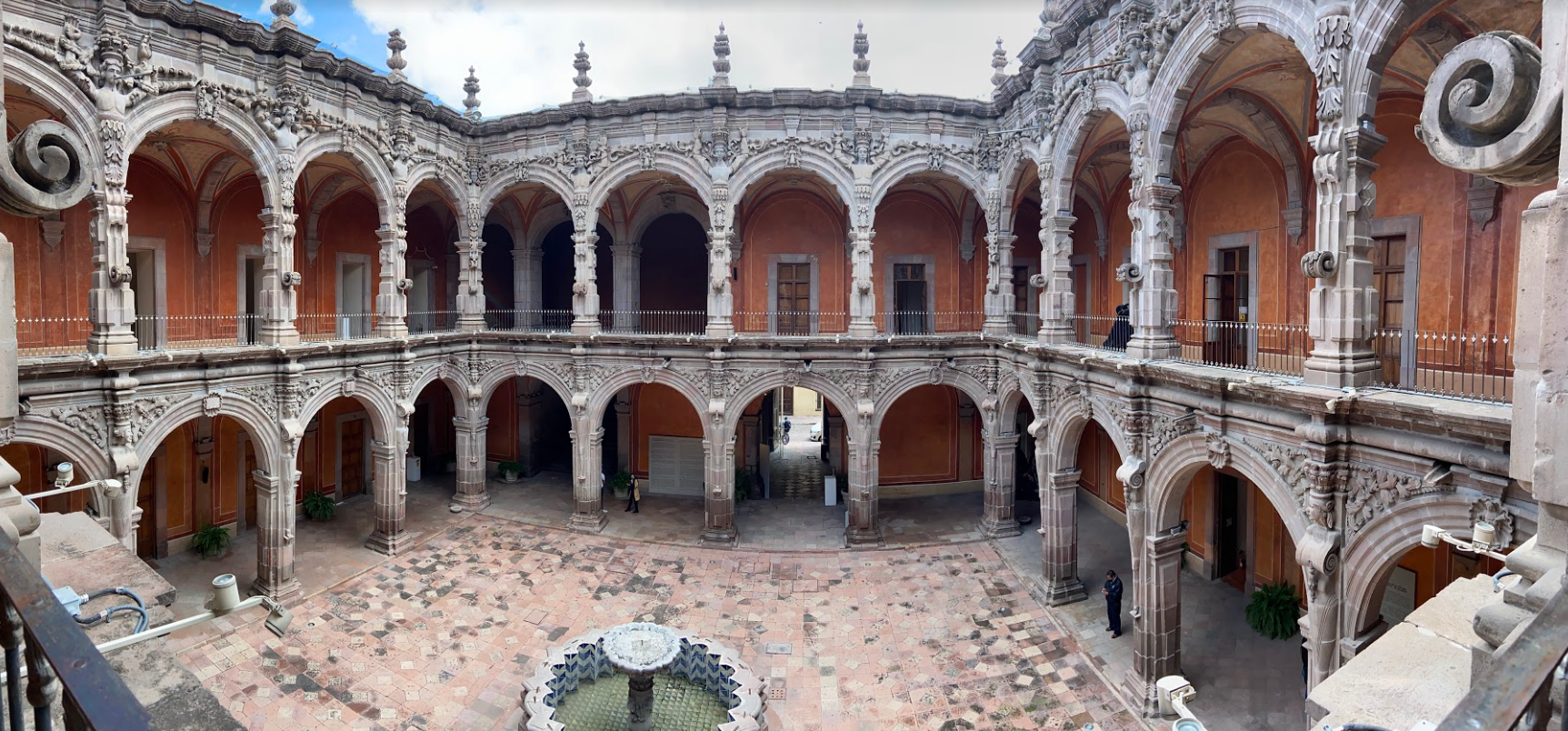
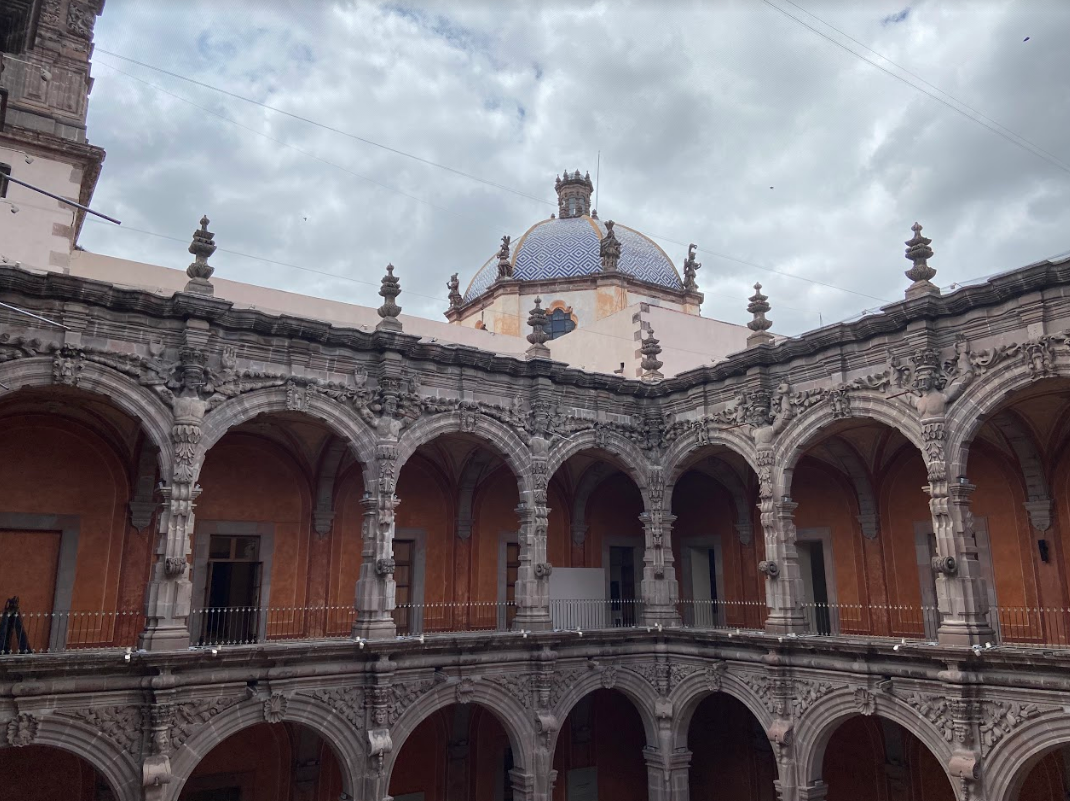
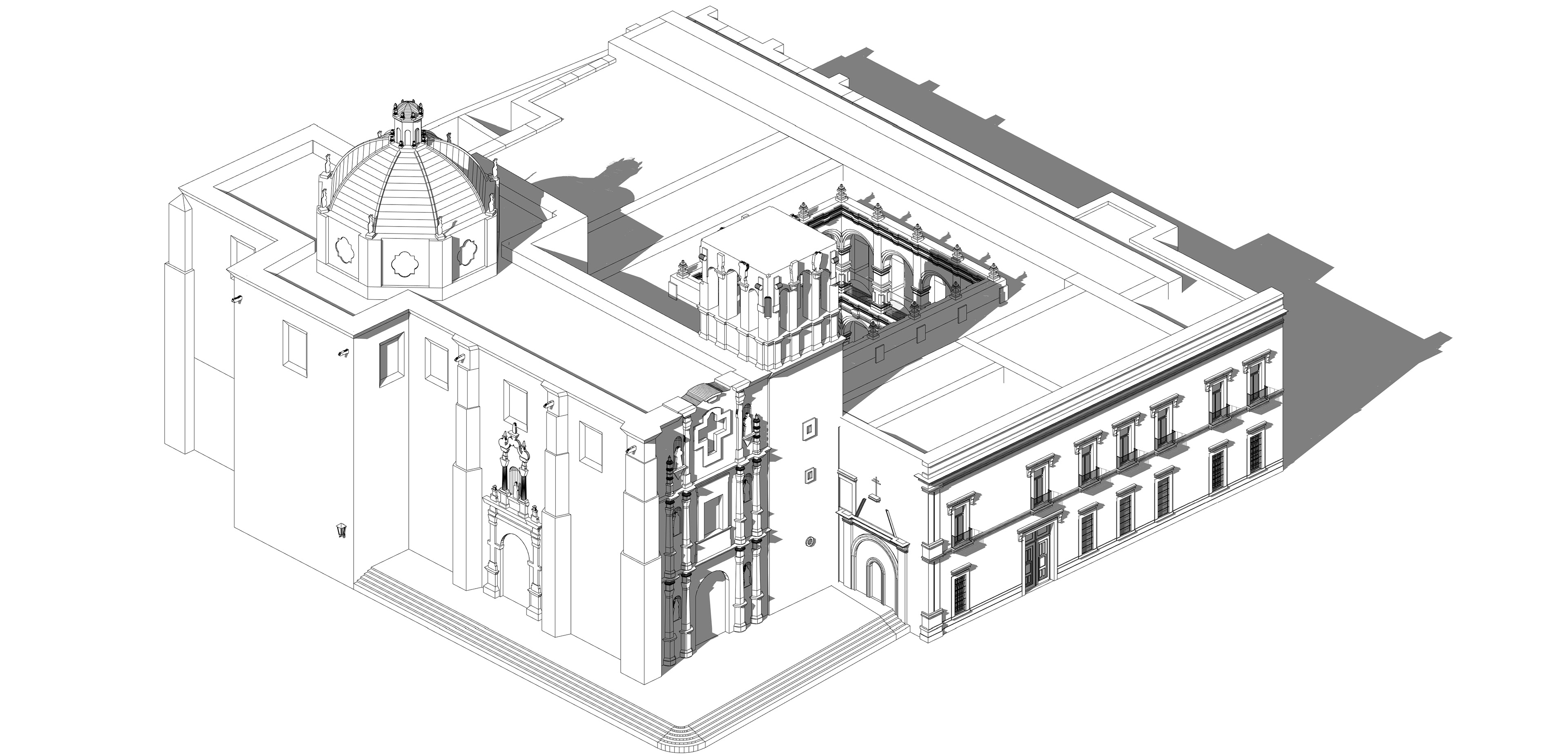
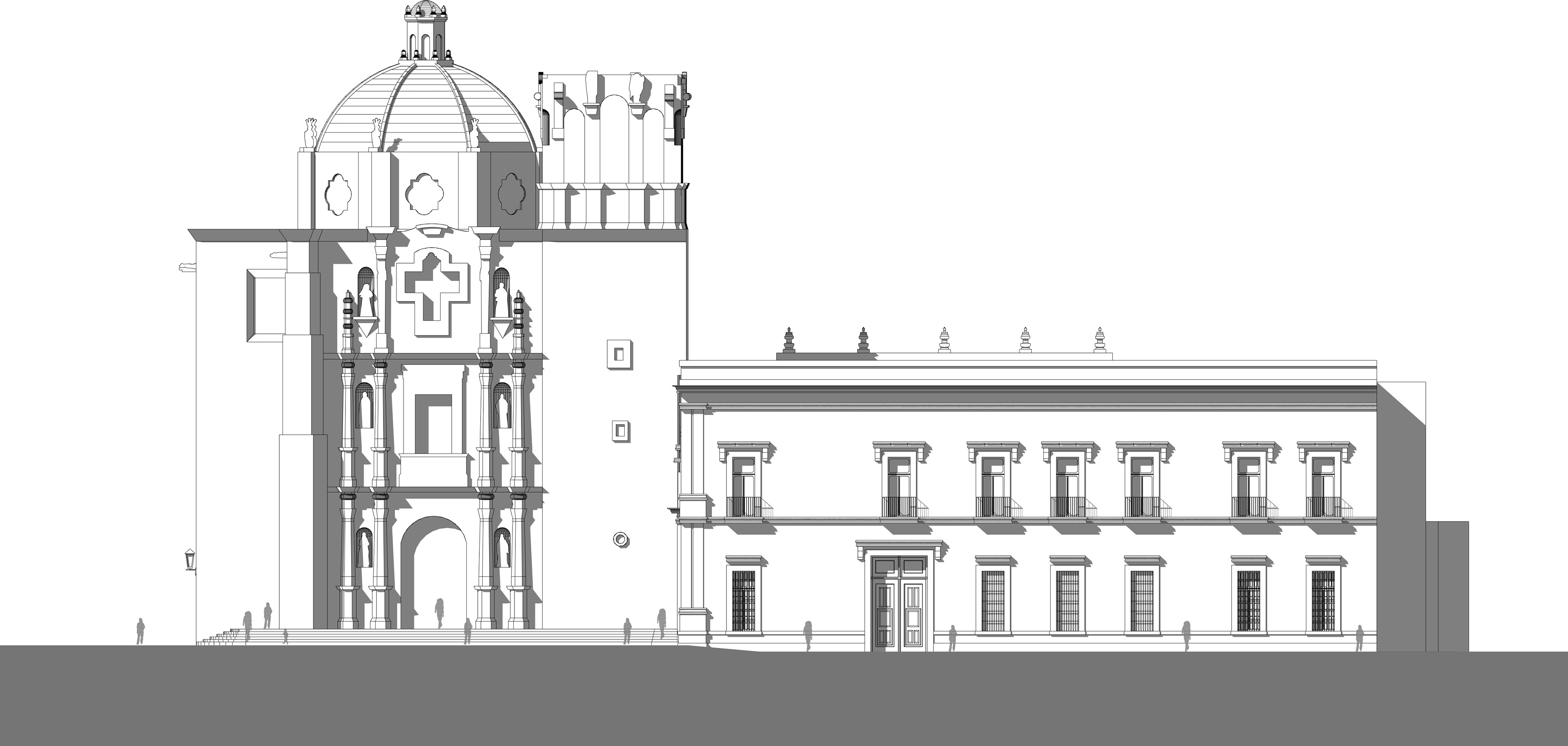
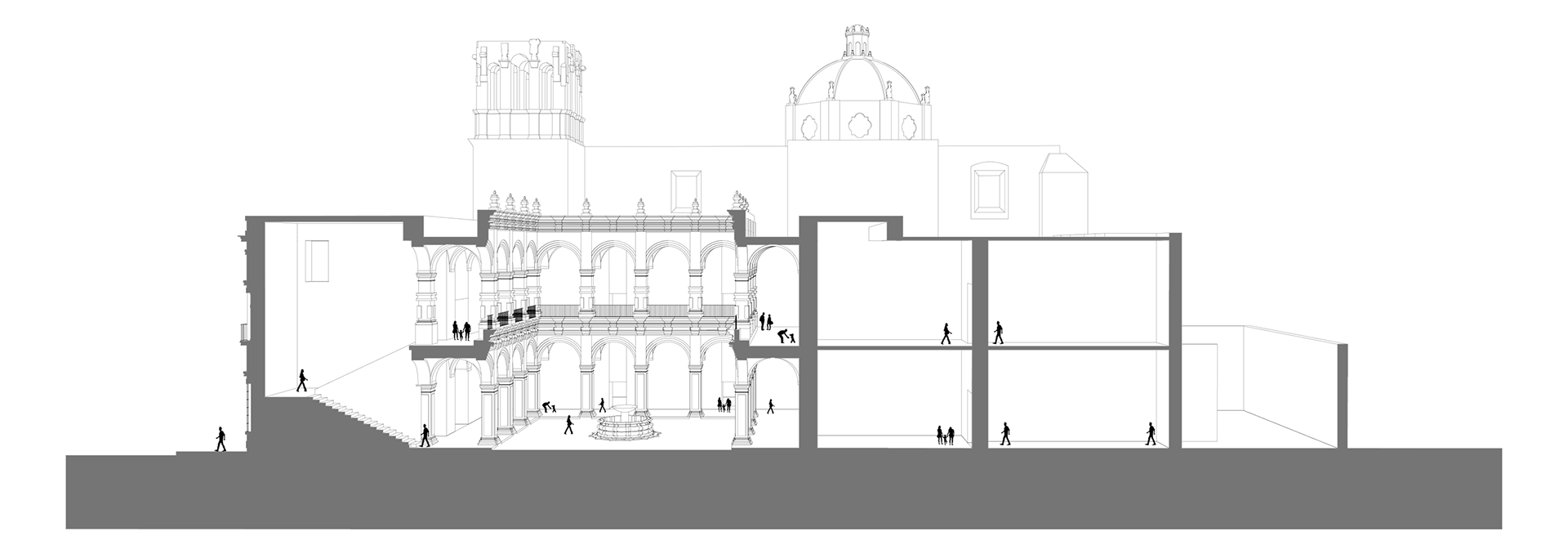
The building was modeled primarily in AutoCAD 3D using native solid-modeling tools, without external plug-ins. The resulting geometry was later transferred to Revit to produce coordinated elevations, sections, isometric views, and interior perspectives. Particular attention was given to the rhythm and proportions of the cloister, the temple façade, the dome, and the ornamental details that define the historic complex.
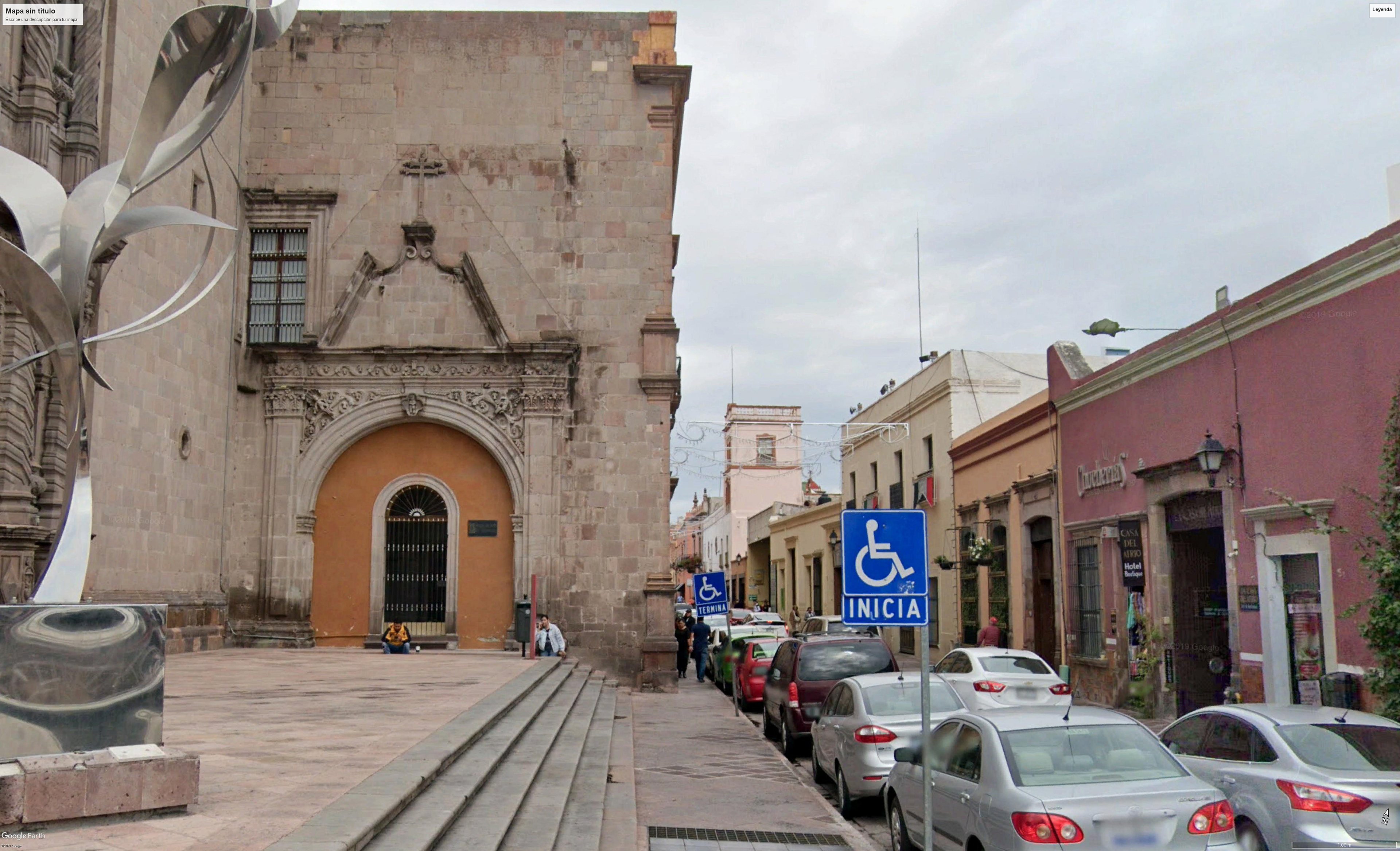
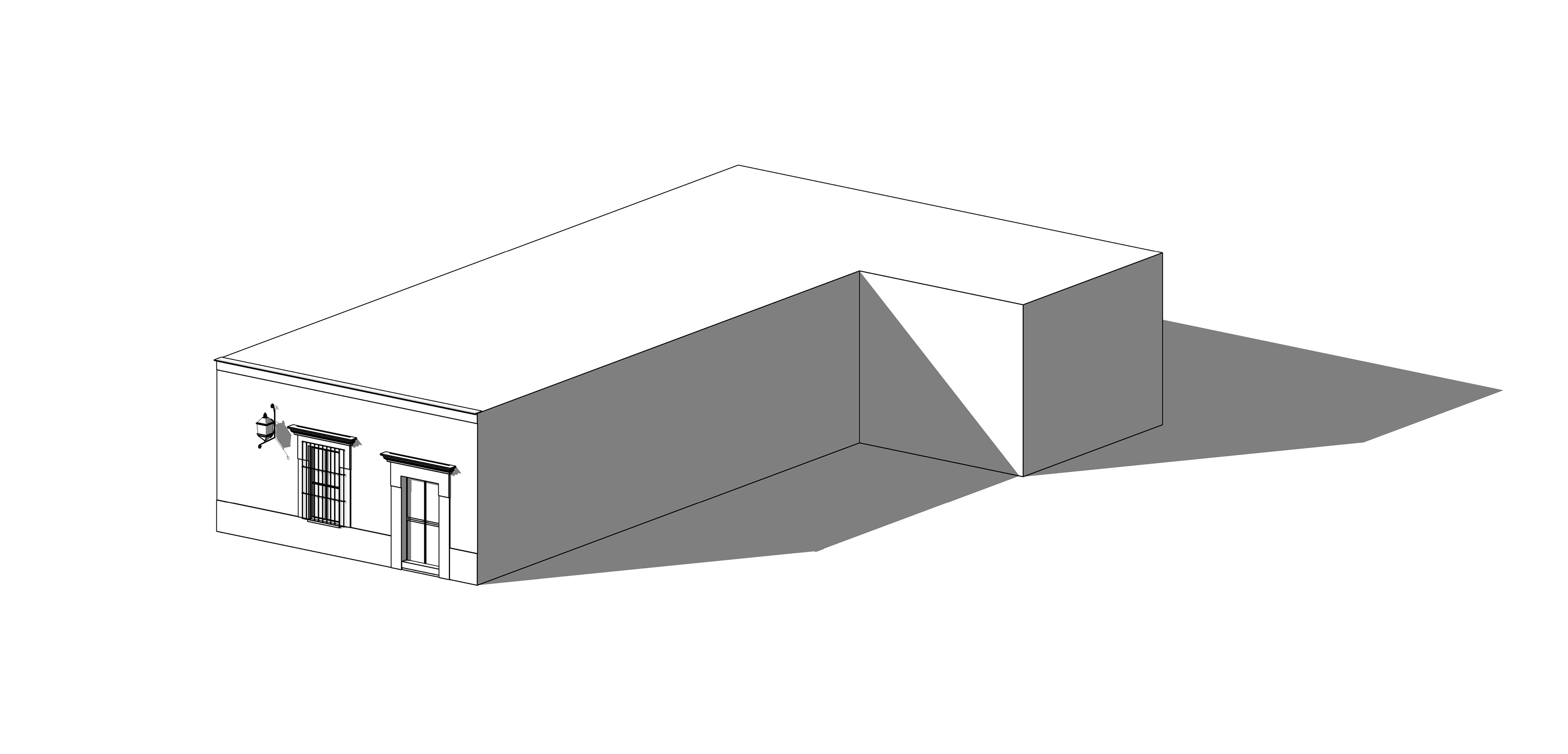
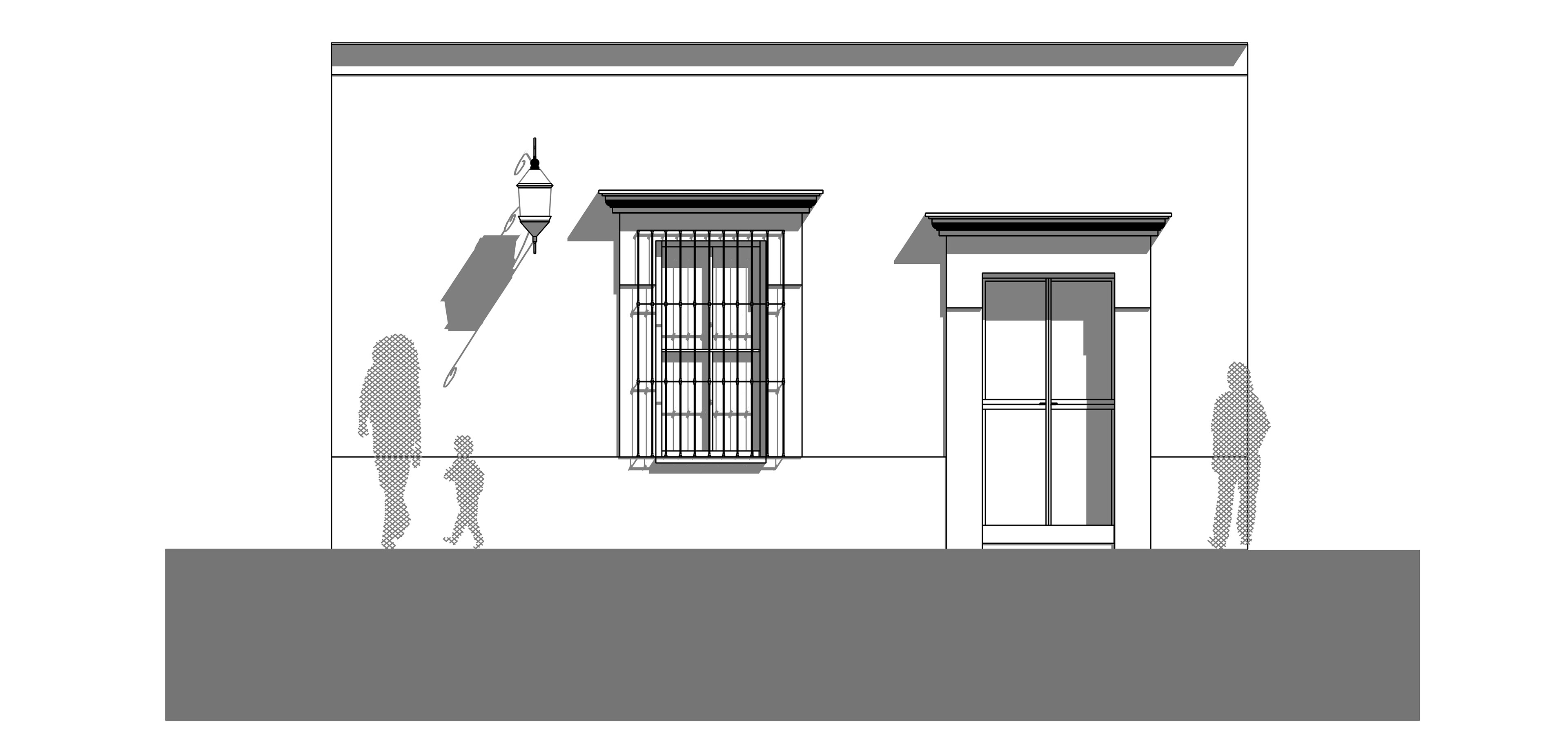
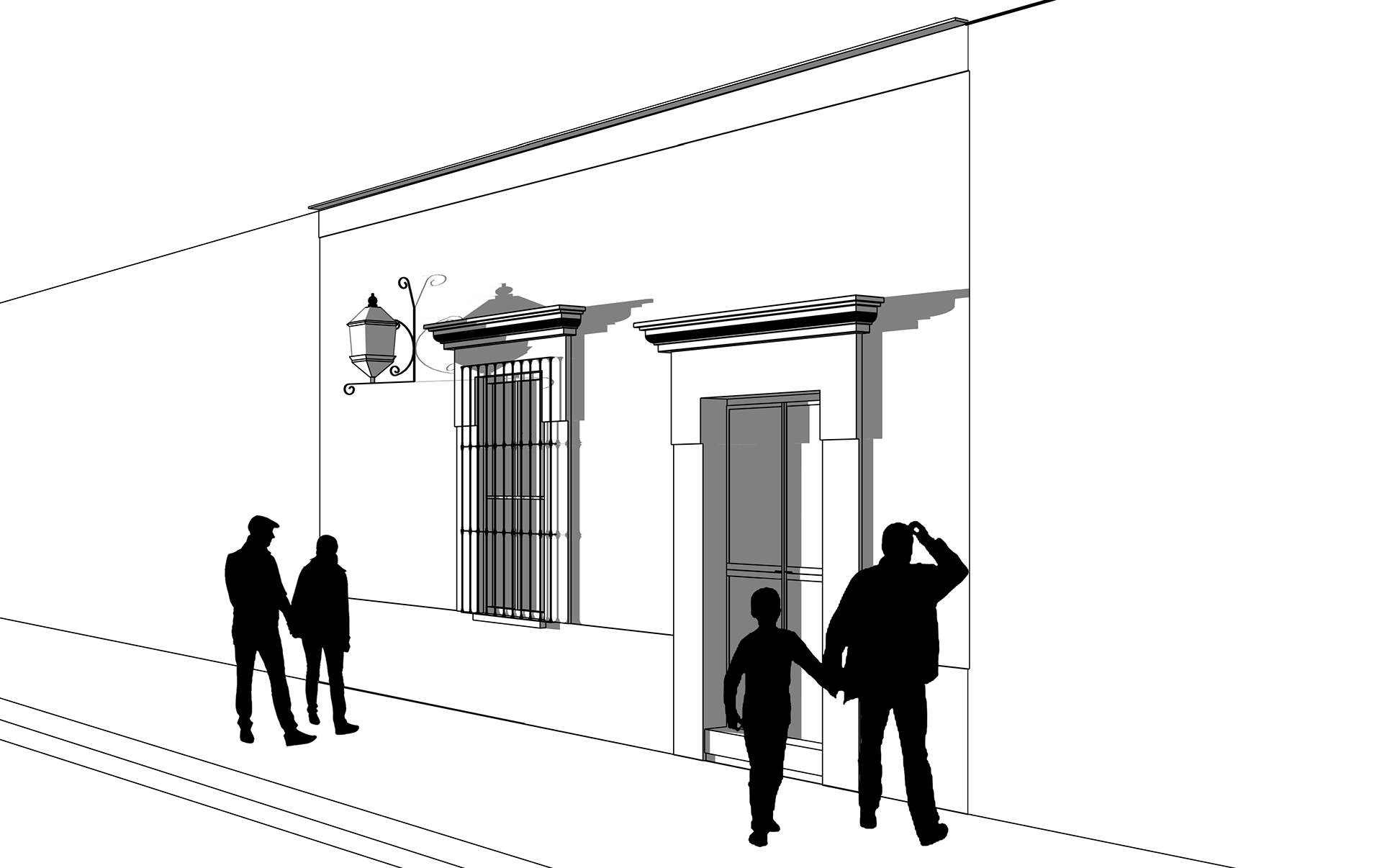
As an additional exercise, I reconstructed the façade of a building located at Manuel Gutiérrez Nájera Norte 12 and developed part of the surrounding urban context. The following selection presents the reference documentation, modeling process, architectural drawings, and interactive visualization produced during the project.
INAH Plans
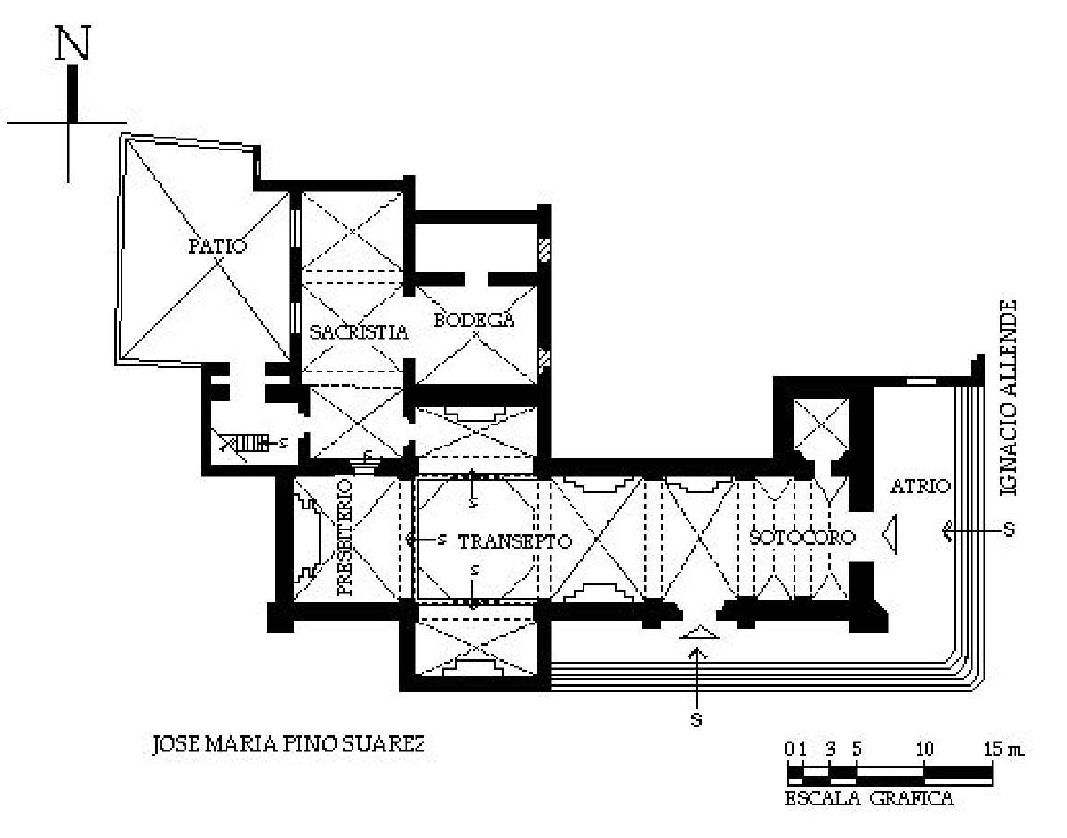
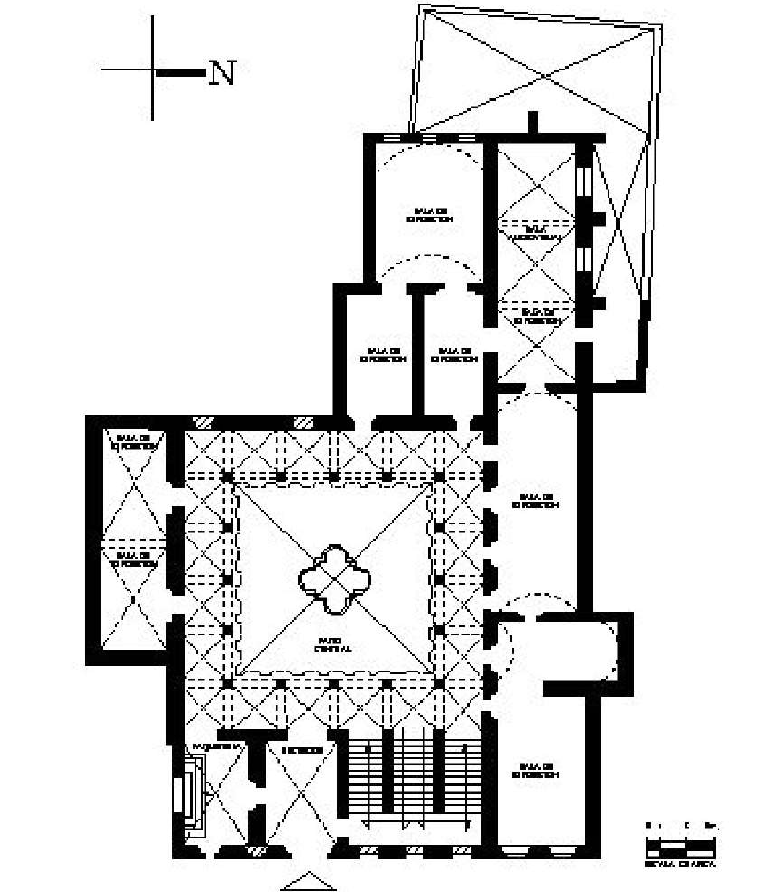
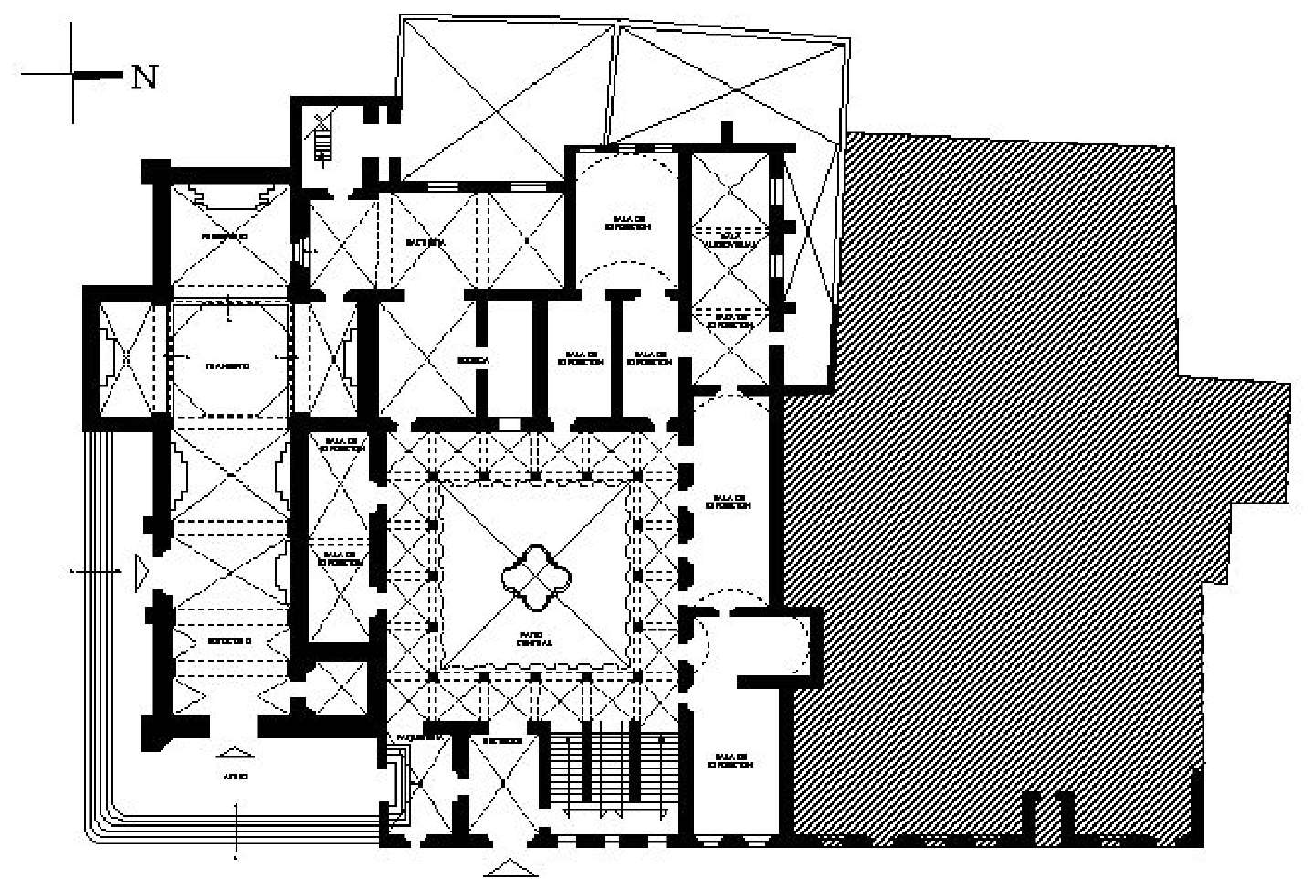
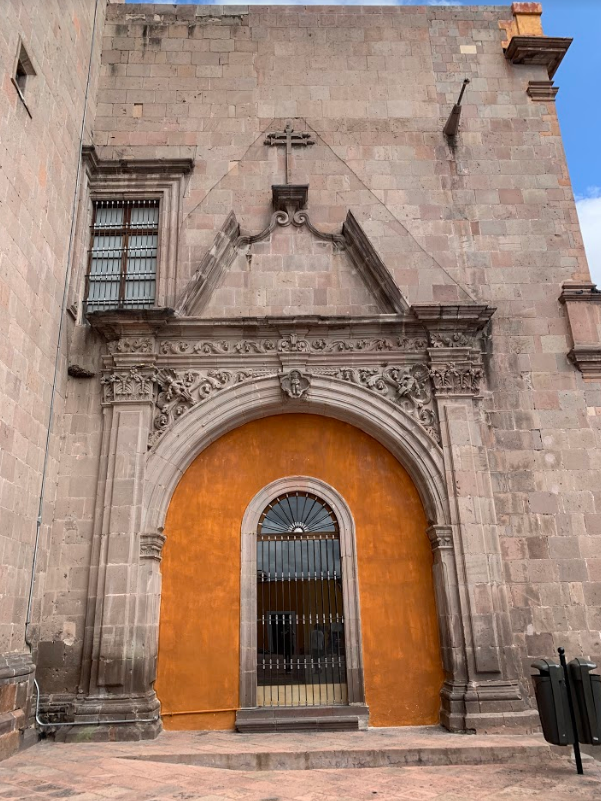
Photographic support for 3D modeling

Manuel Gutiérrez Nájera Nte. 12
DIGITAL SCALE MODEL OF 1KM AROUND THE AREA