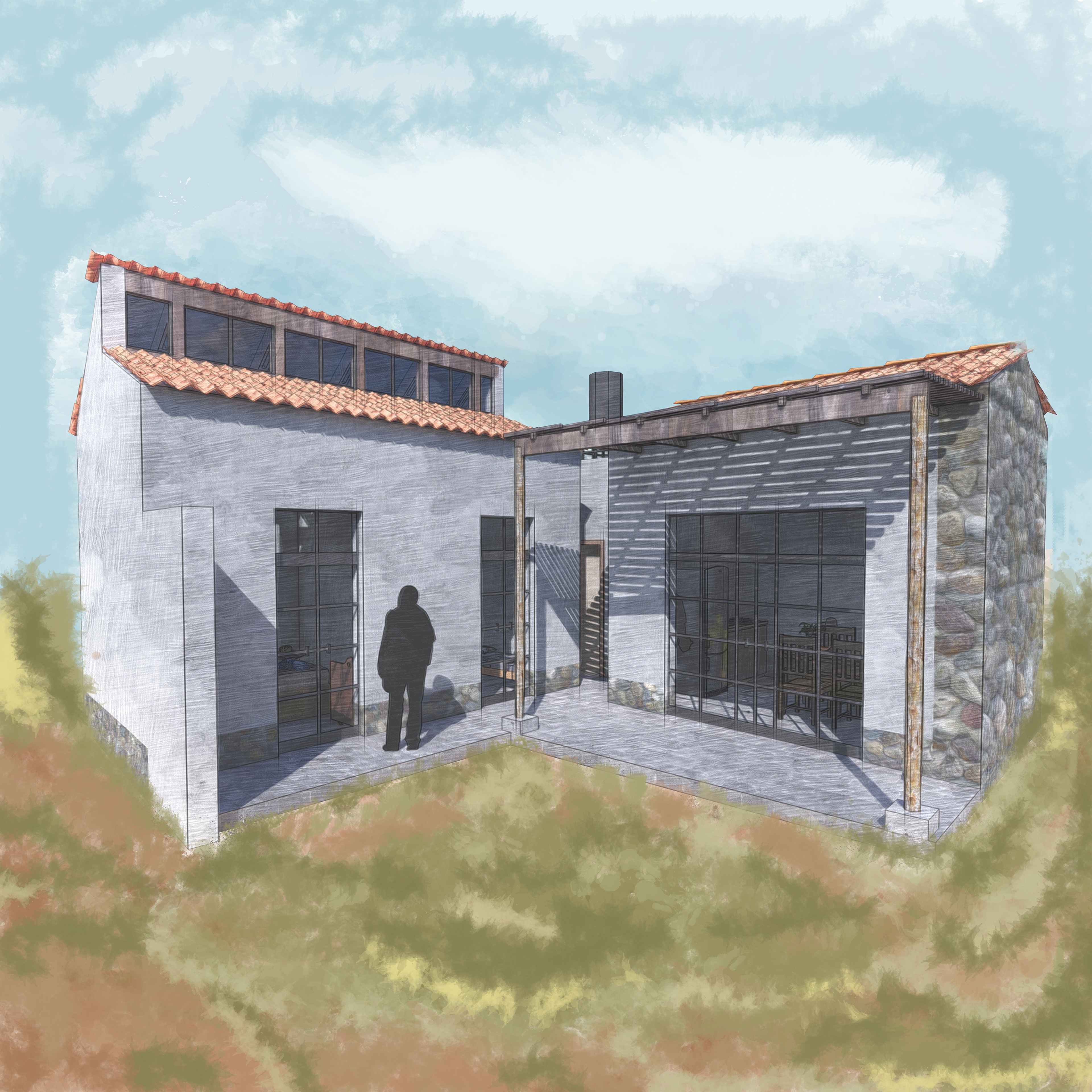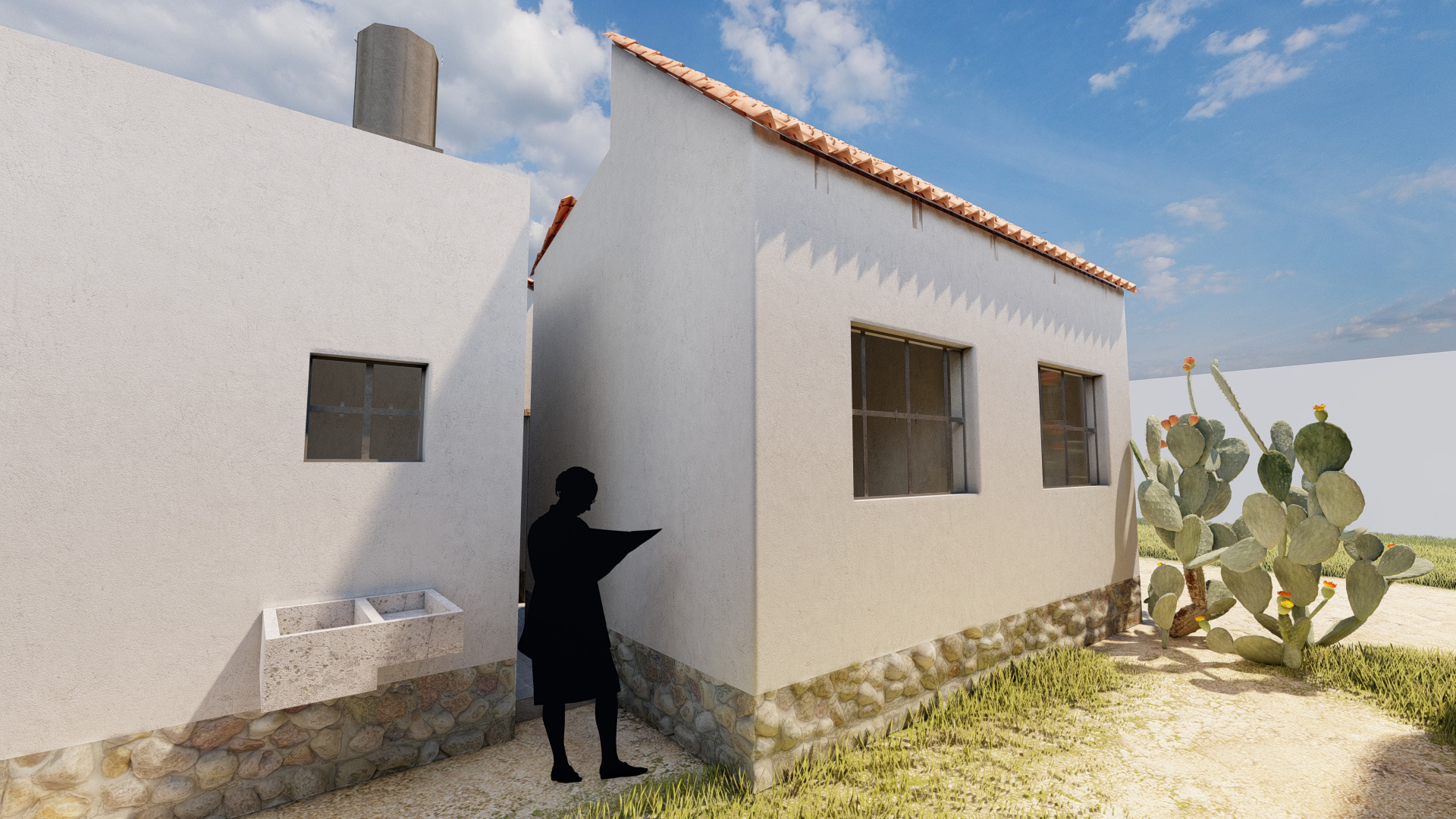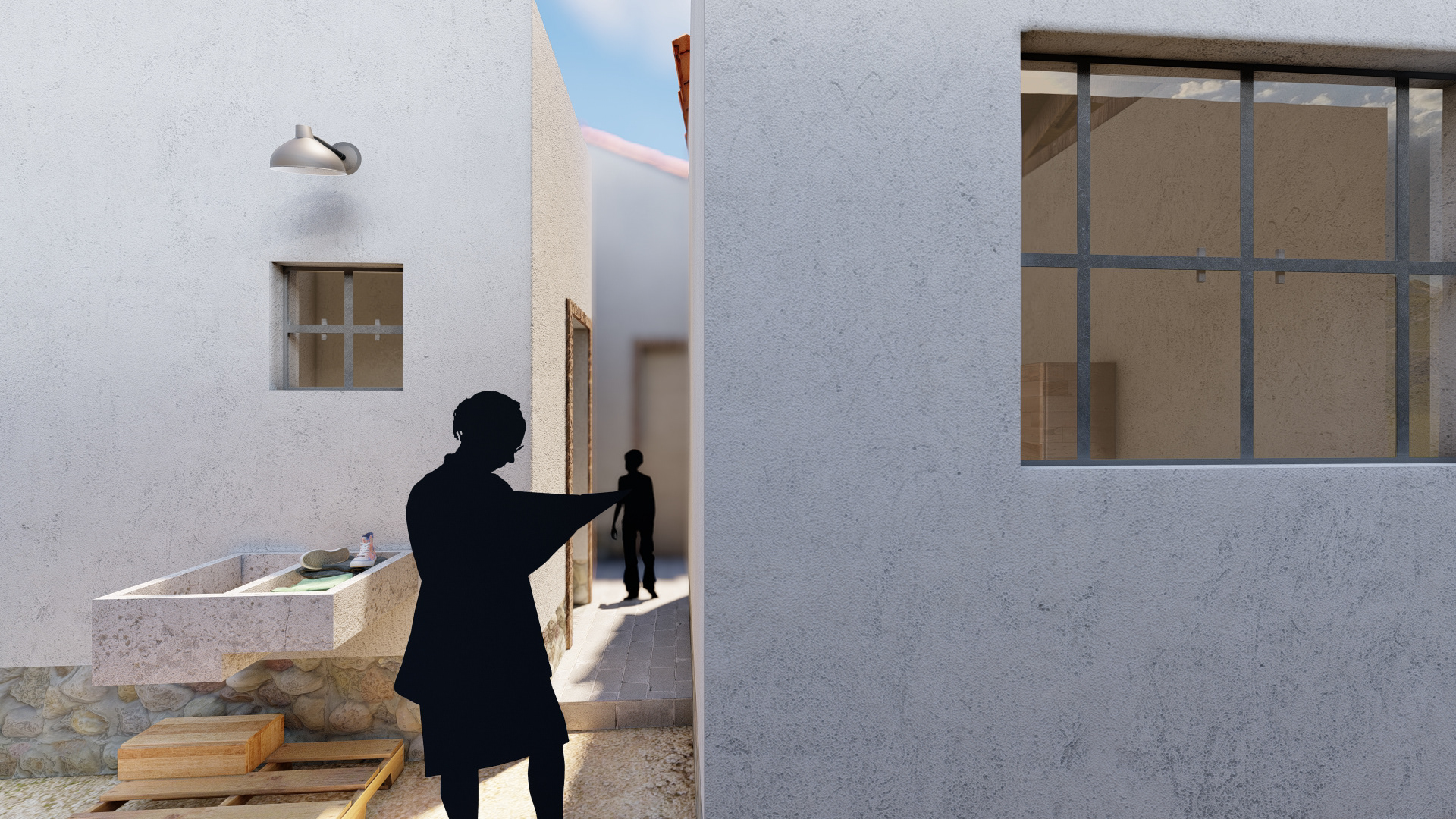

L’A Casa is an academic rural housing proposal developed for the Construction Projects I course, in collaboration with Habitat for Humanity and the Terwilliger Center for Innovation in Housing. The challenge was to design a dignified and affordable home for a community in Oaxaca, responding to limited resources and to family structures and daily activities that differ from those of conventional urban housing.
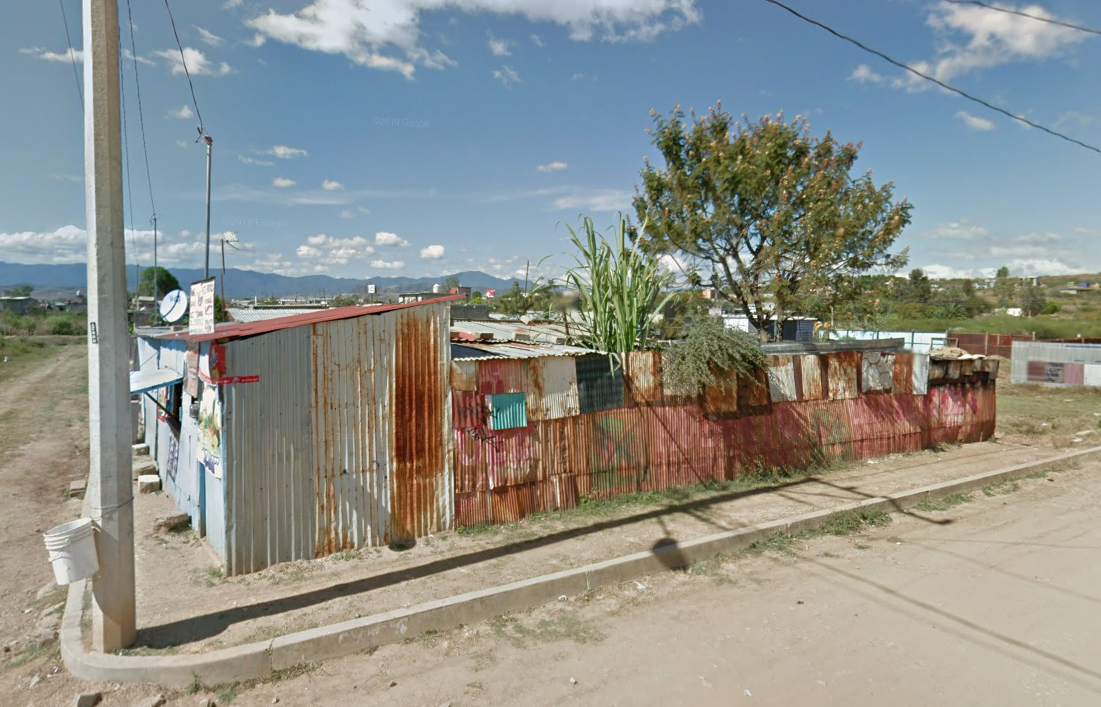
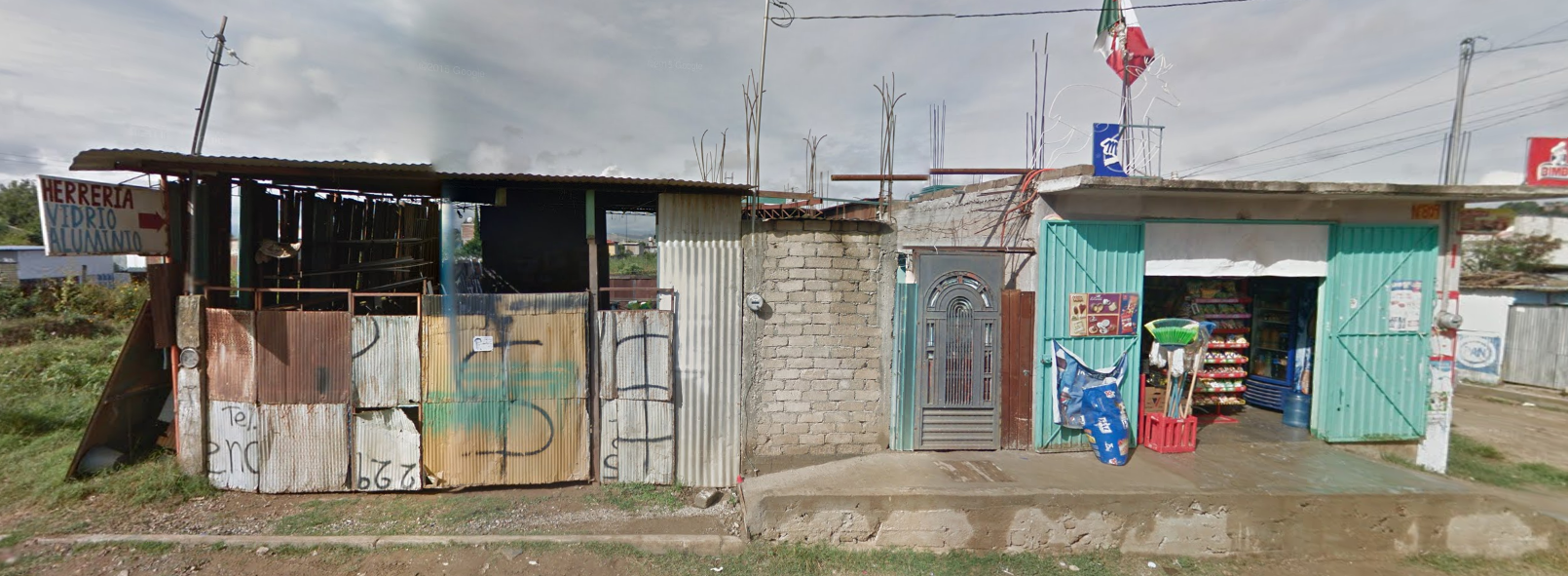
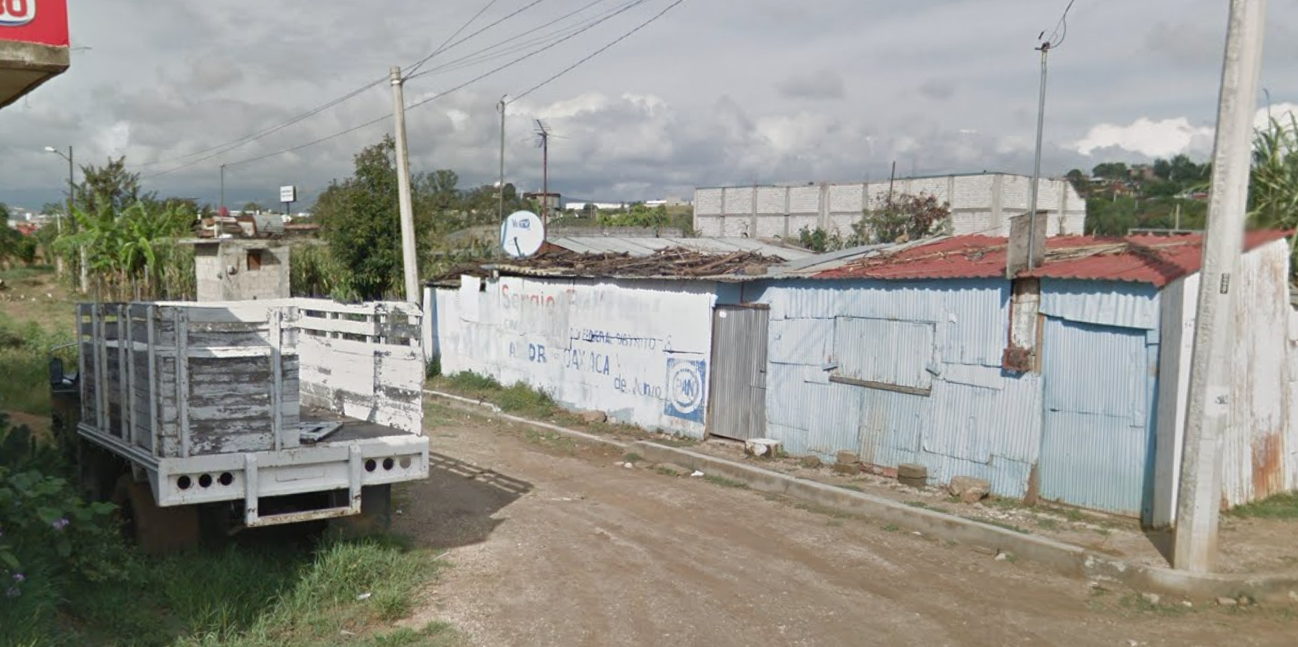
Before beginning the design, we participated in workshops focused on dignified housing and self-construction. Interviews with residents and the analysis of local building traditions helped us understand how domestic spaces are used, adapted, and expanded over time.
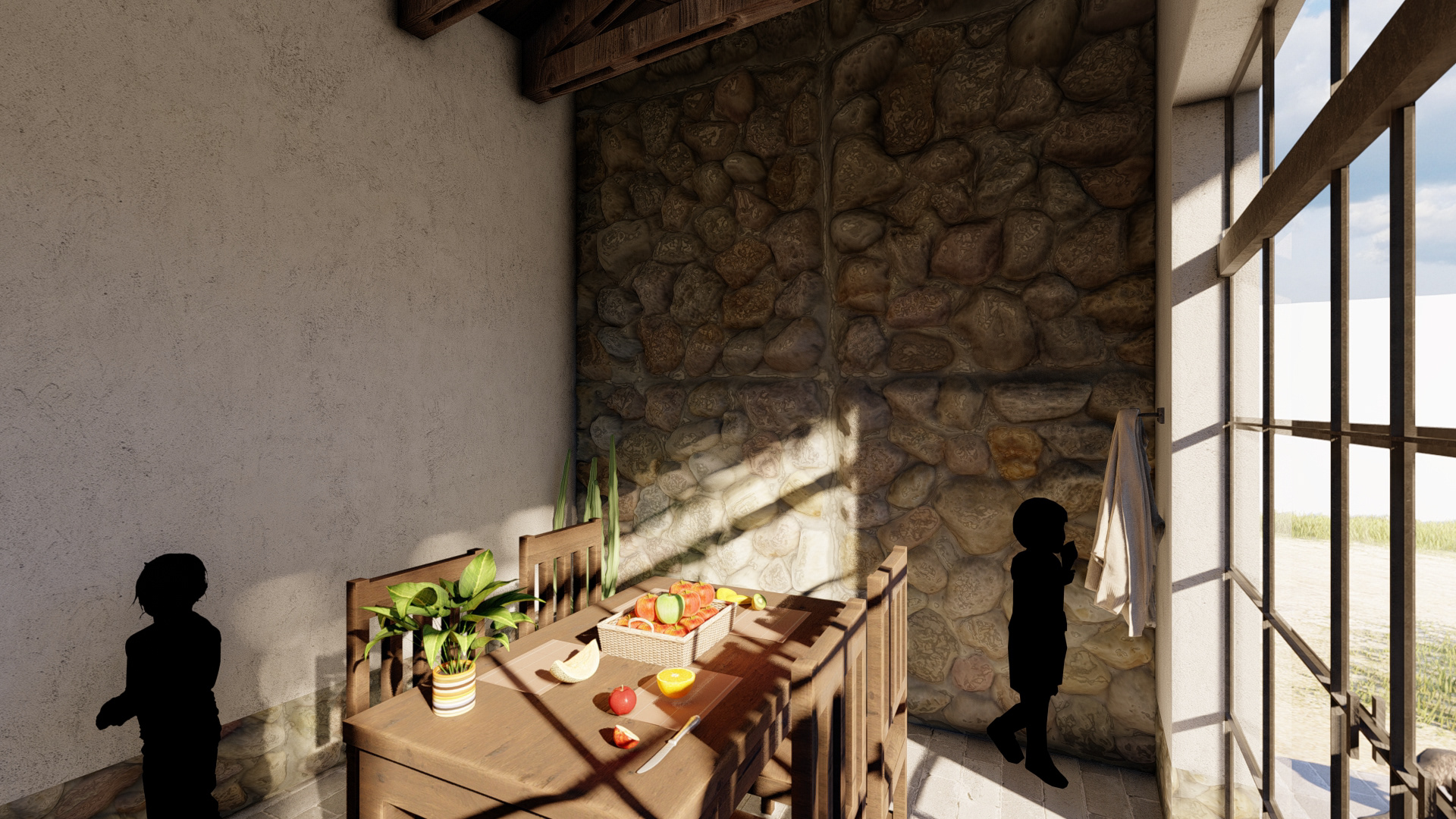
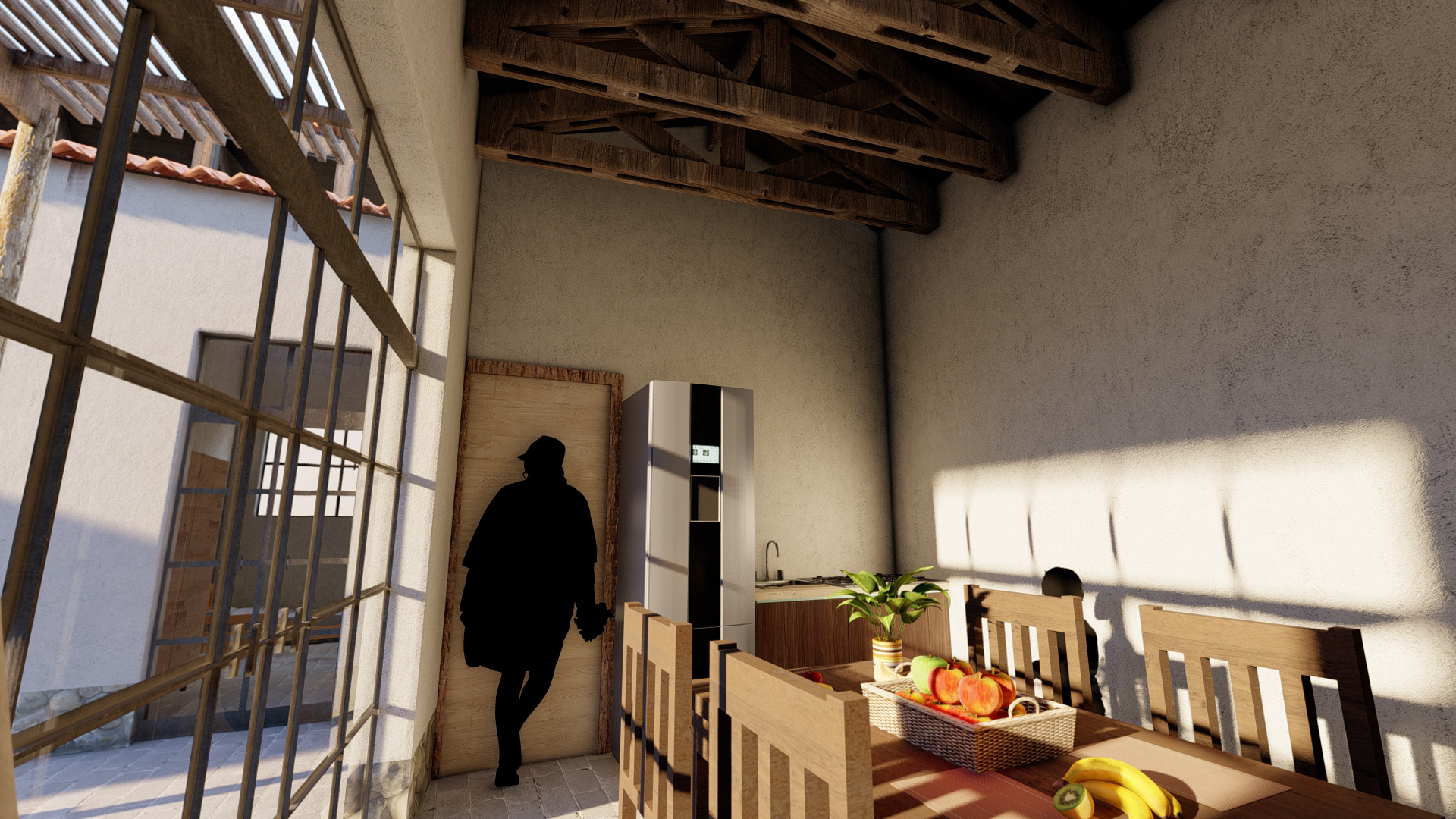
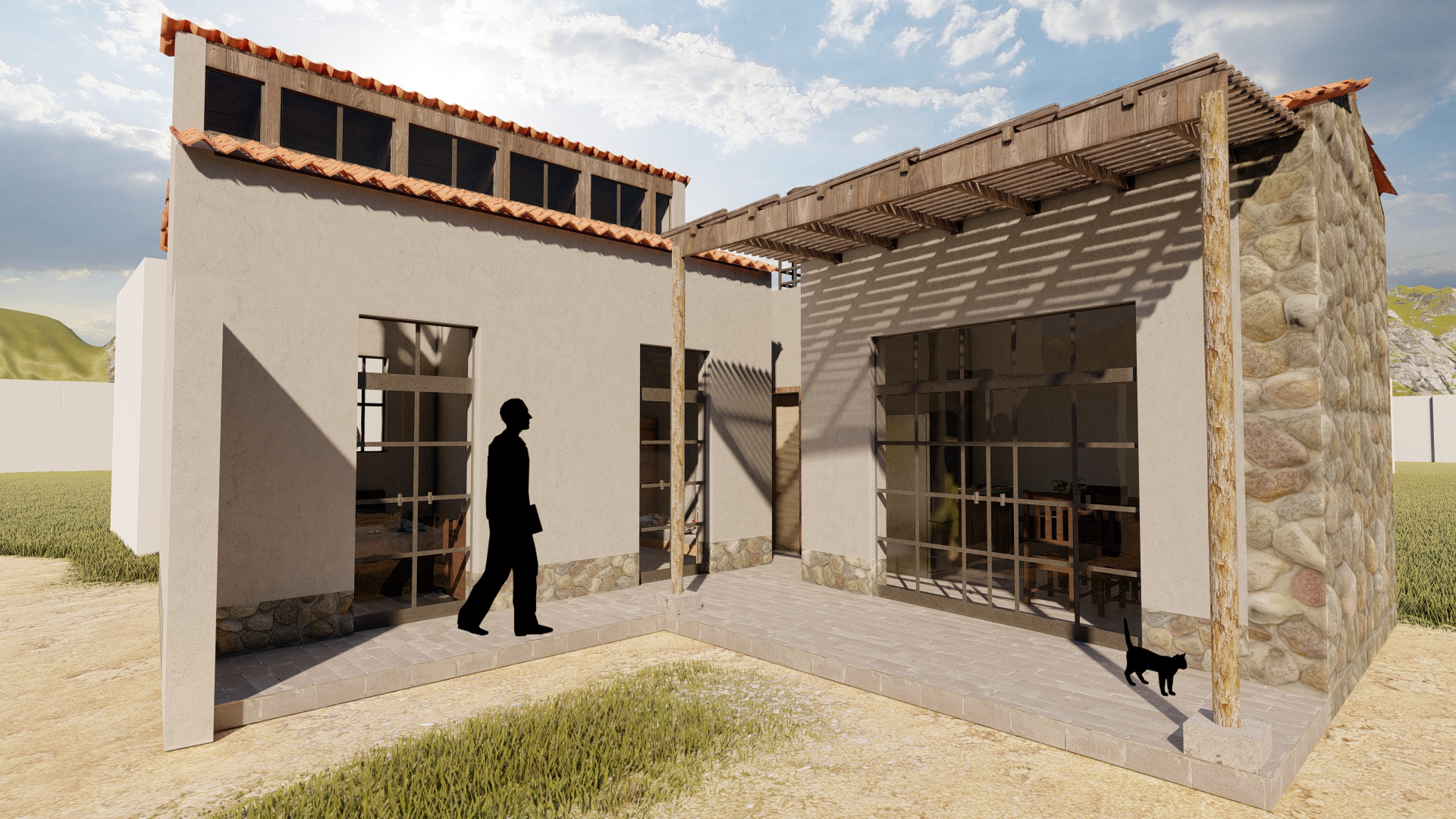
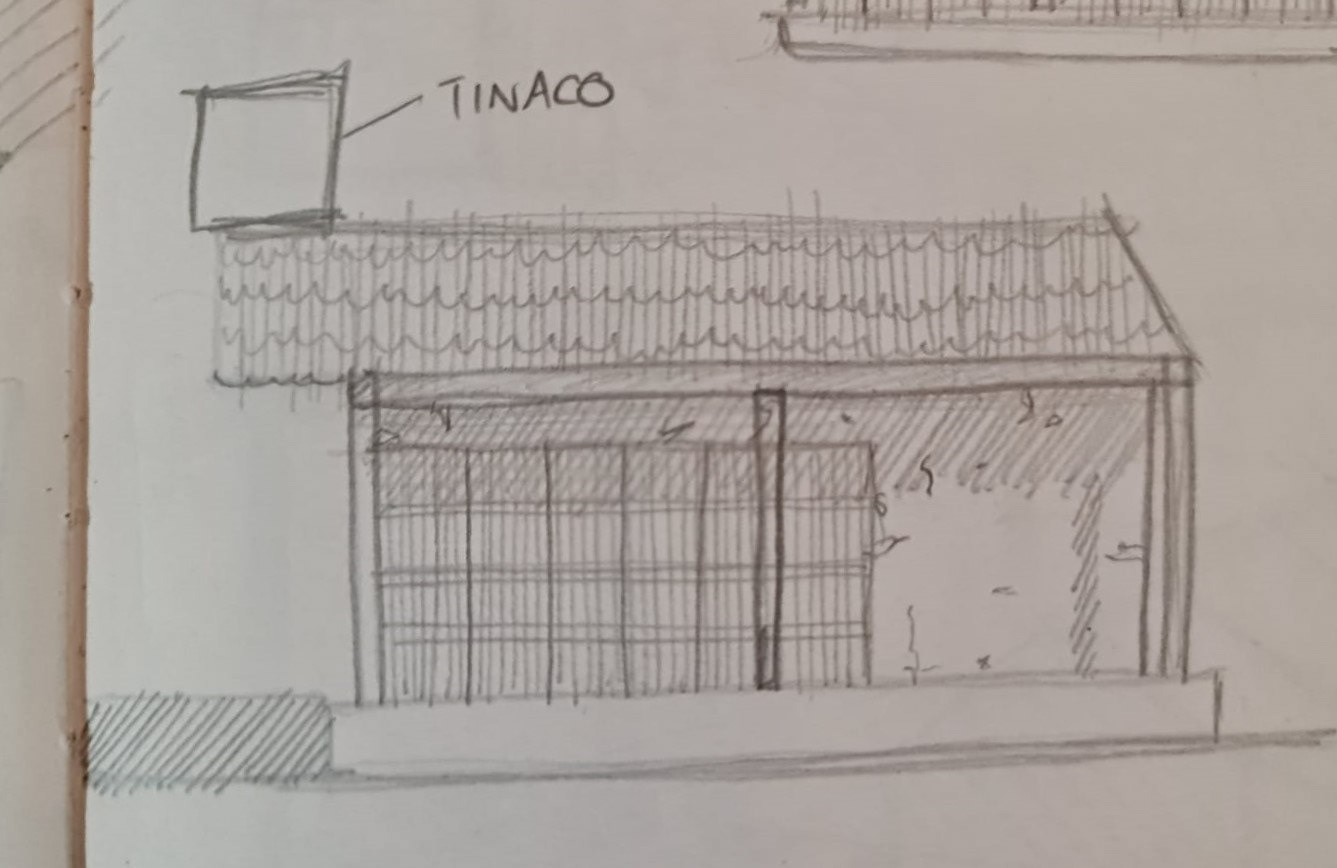
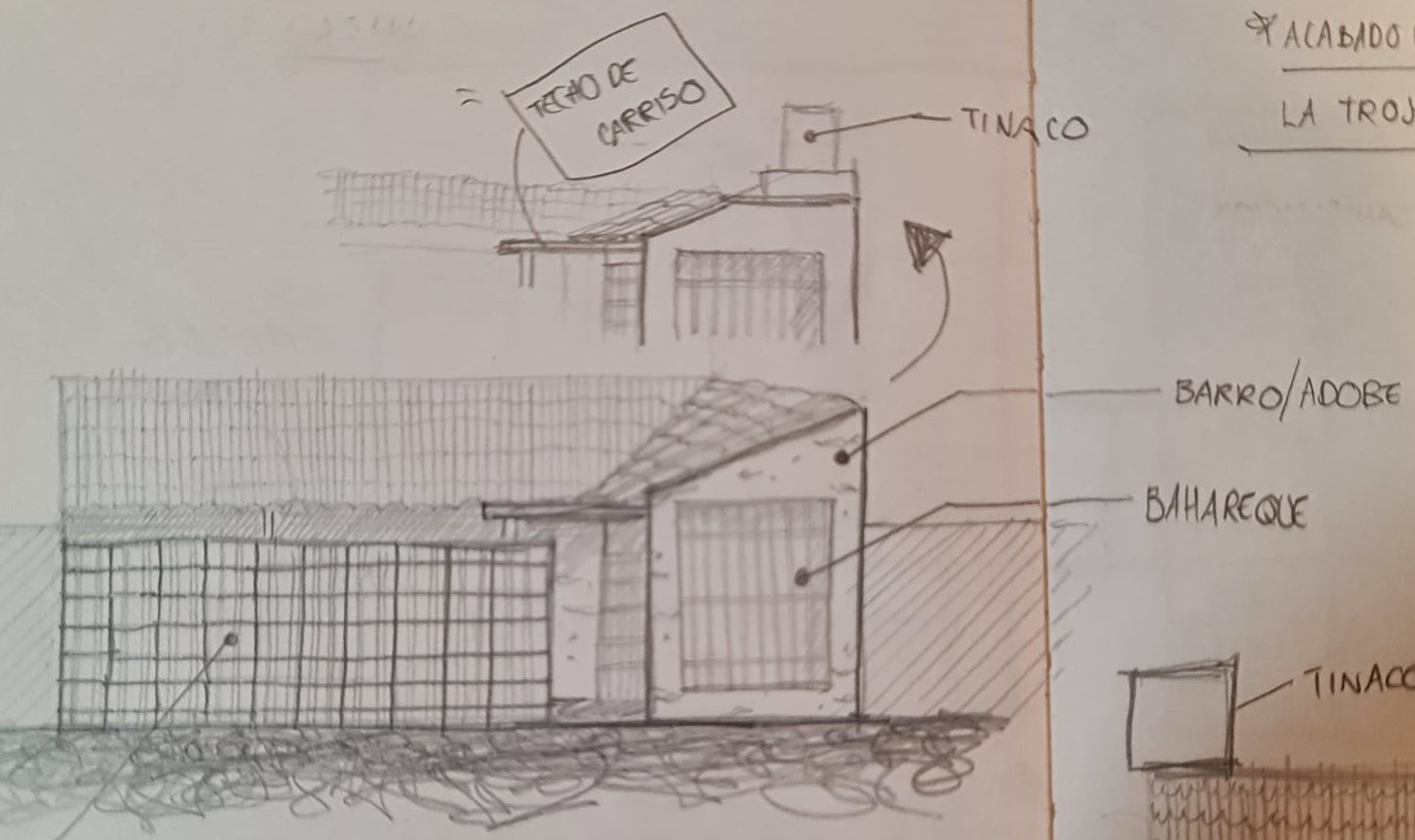
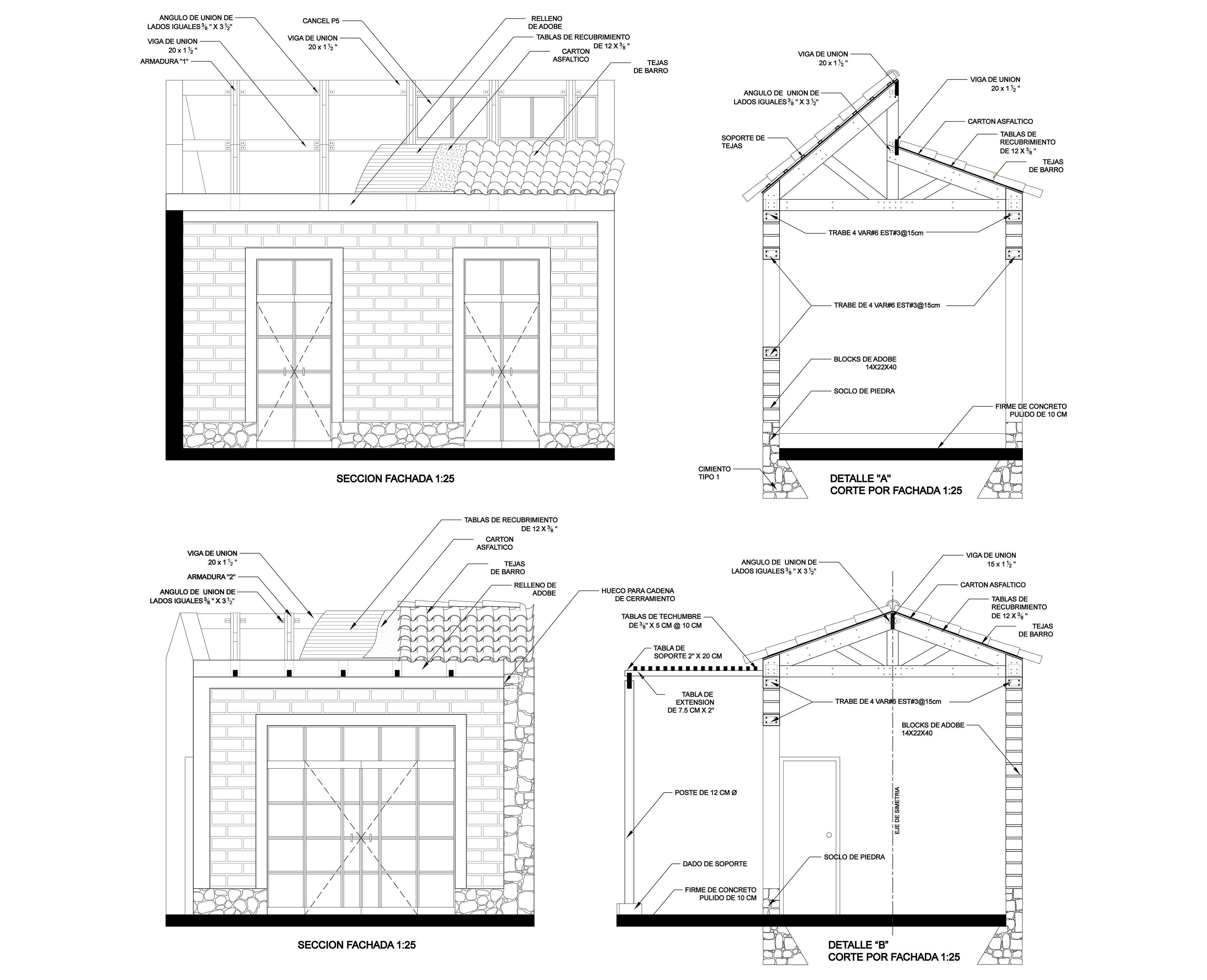
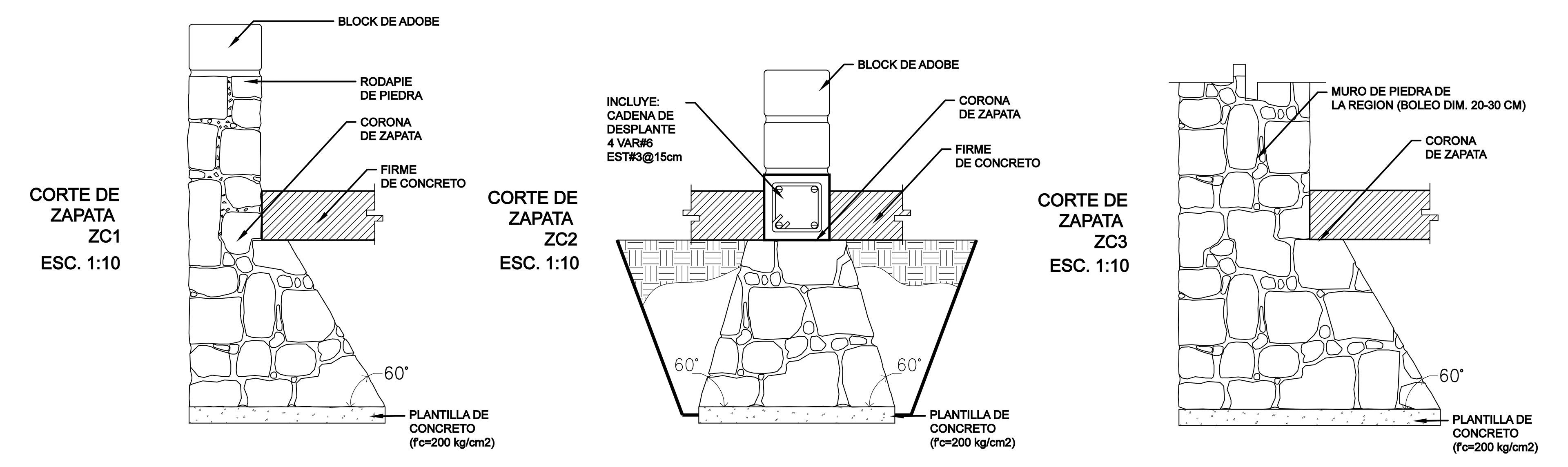
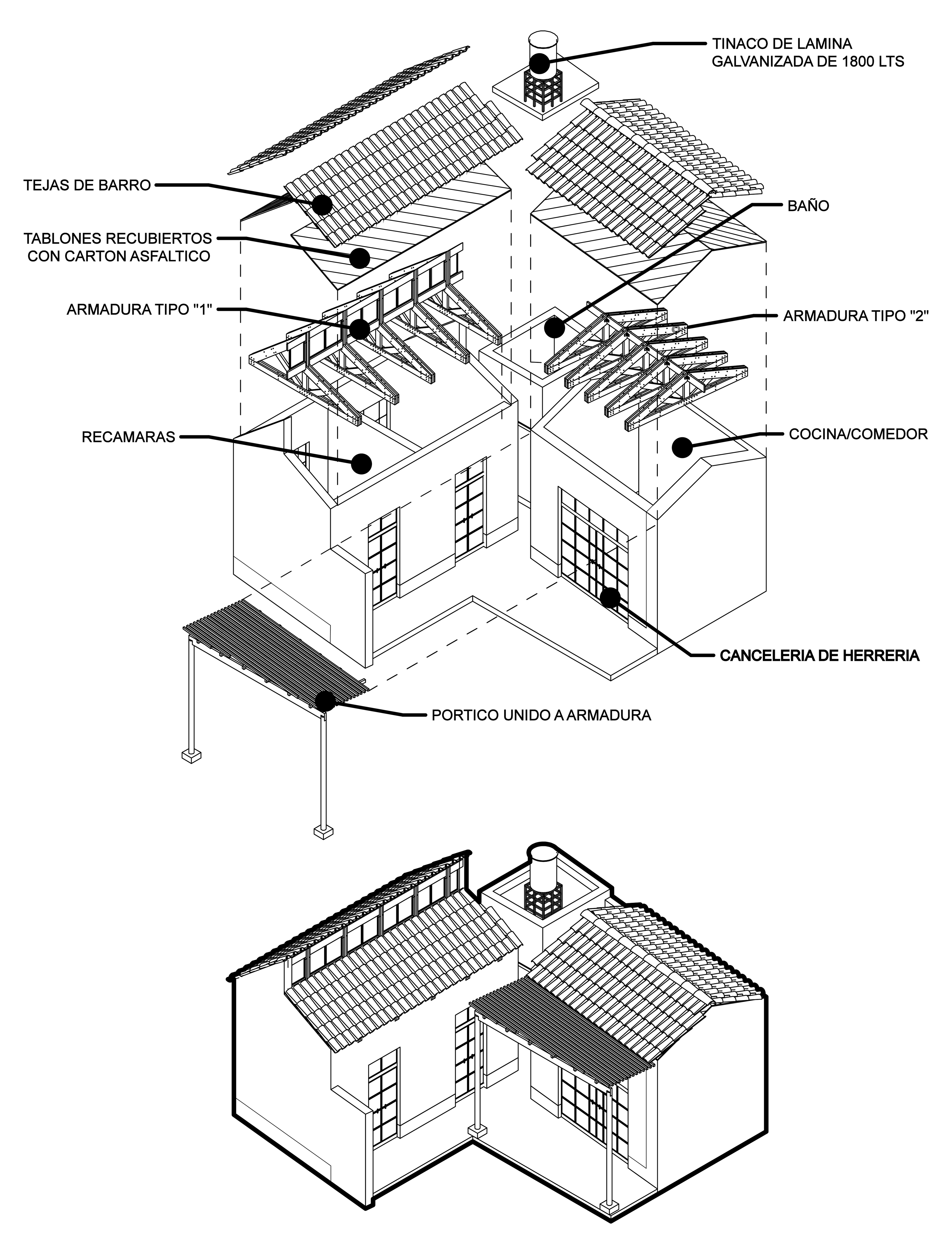
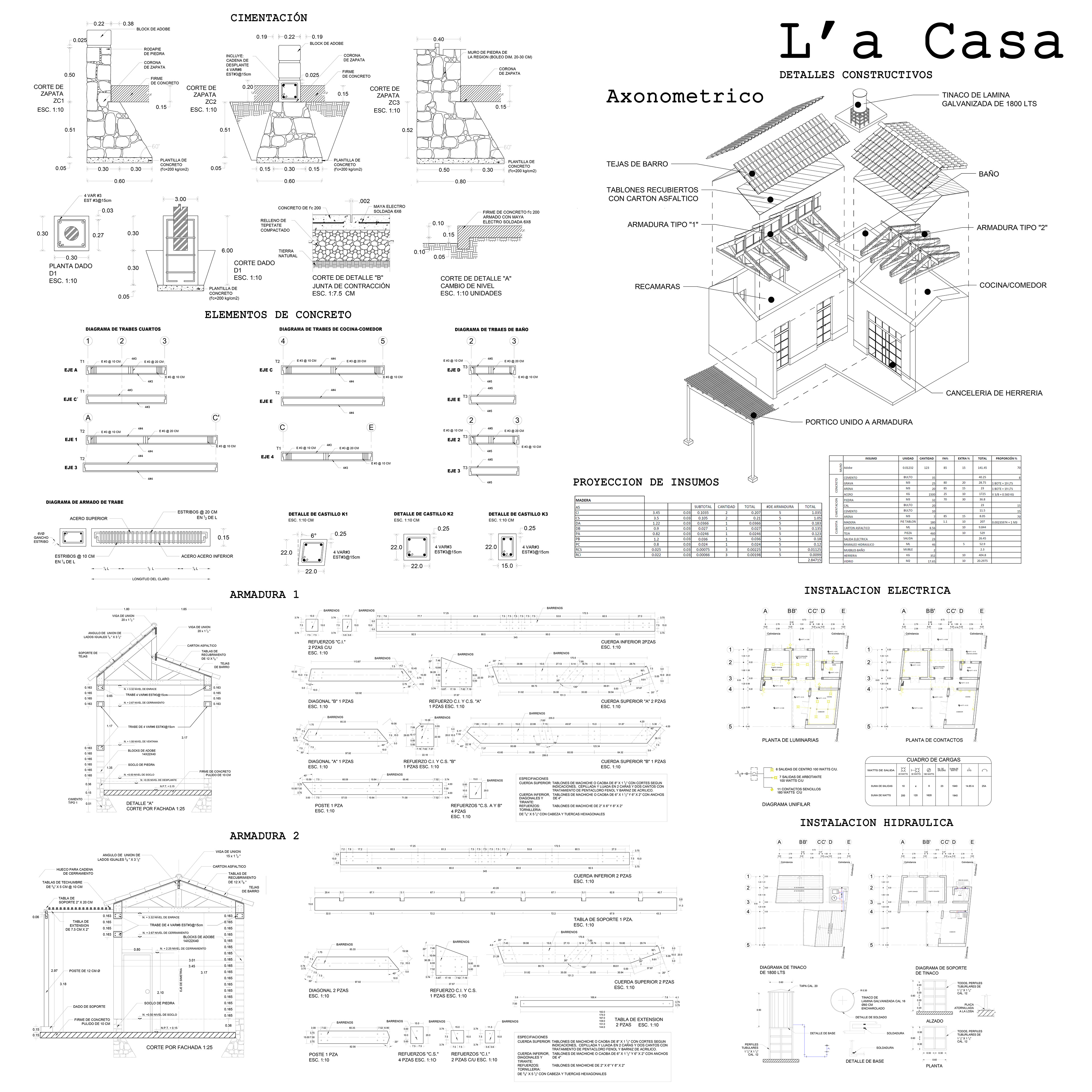
The proposal combines locally available materials with accessible construction systems, including adobe walls, stone foundations, reinforced concrete elements, timber roof trusses, and clay tiles. The objective was to create a practical and buildable home that preserves the architectural identity of the region while improving lighting, ventilation, comfort, and spatial quality.
Analogous cases analyzed


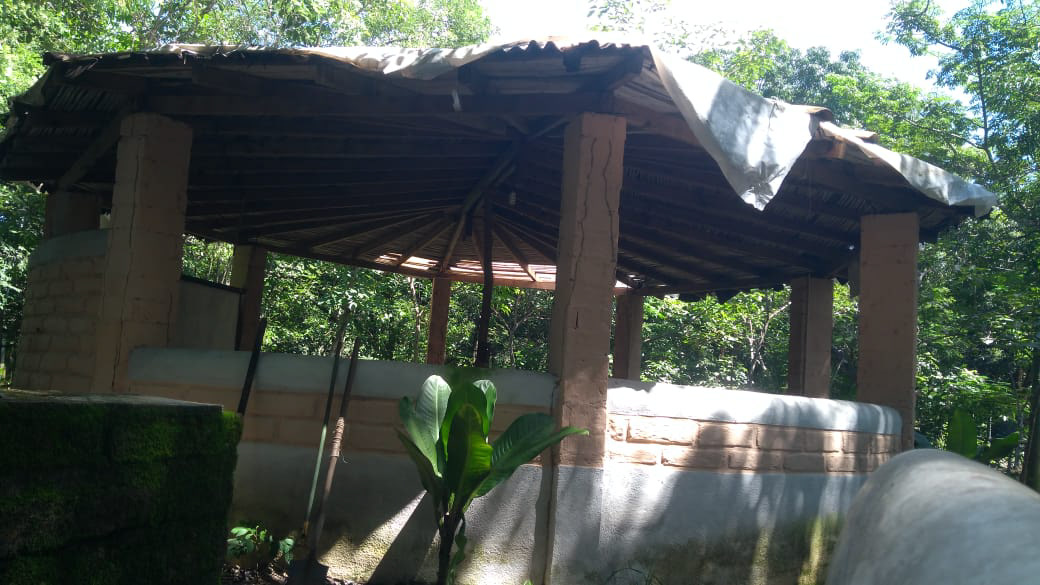
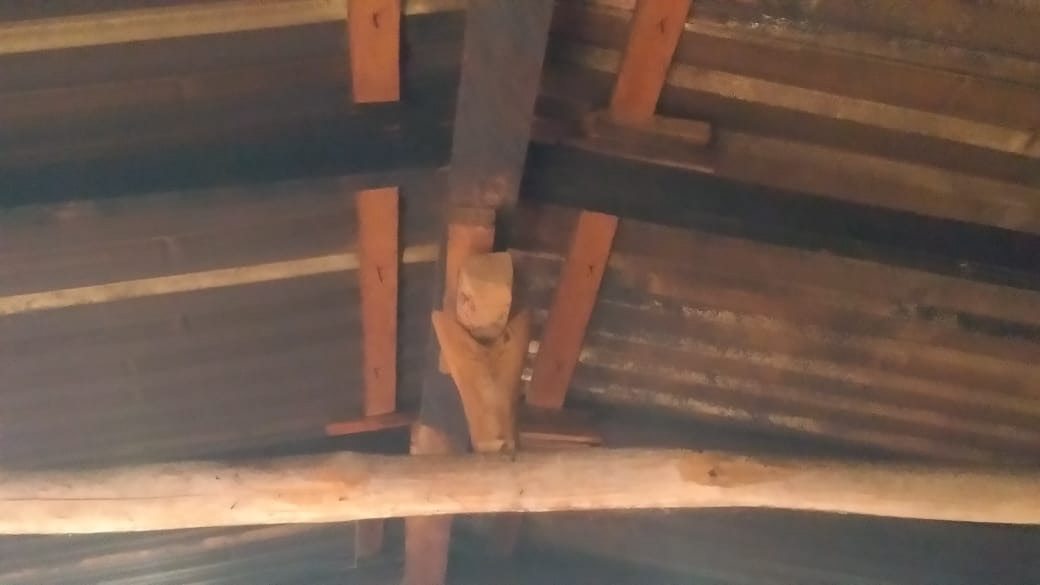
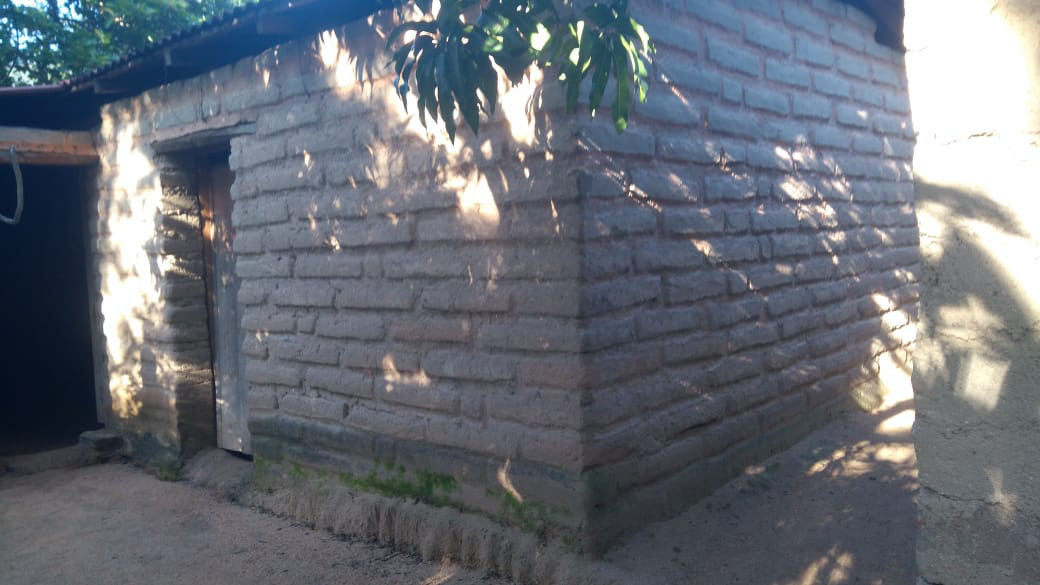
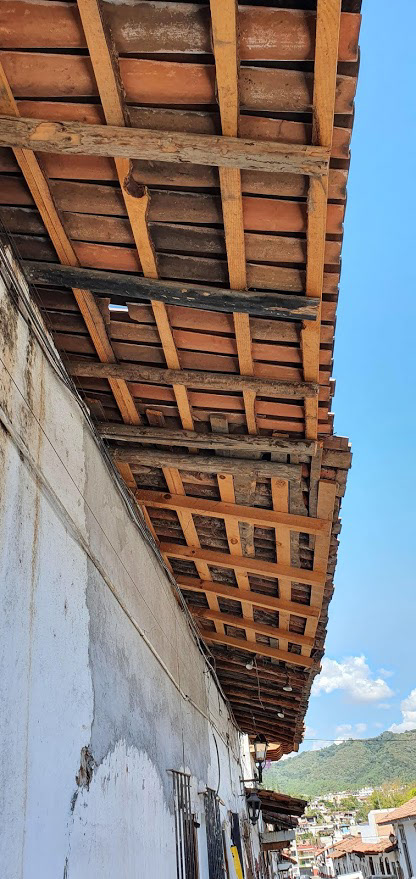
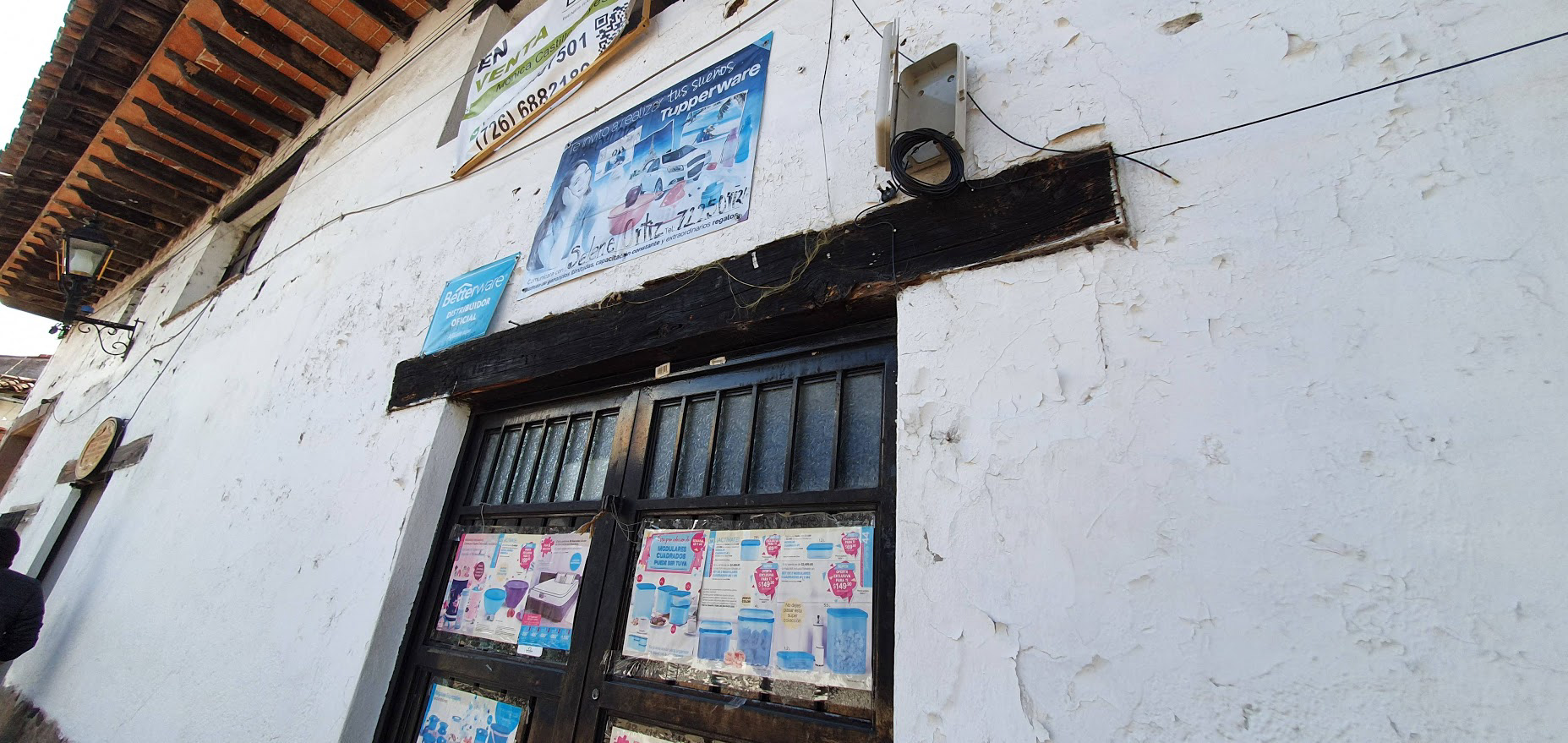
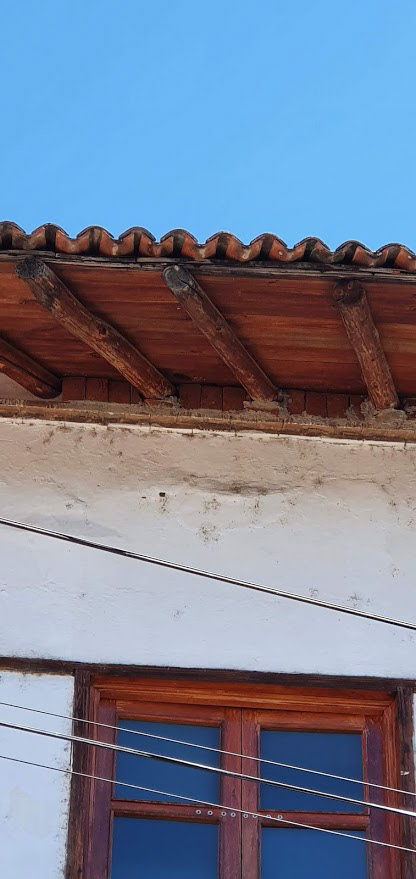
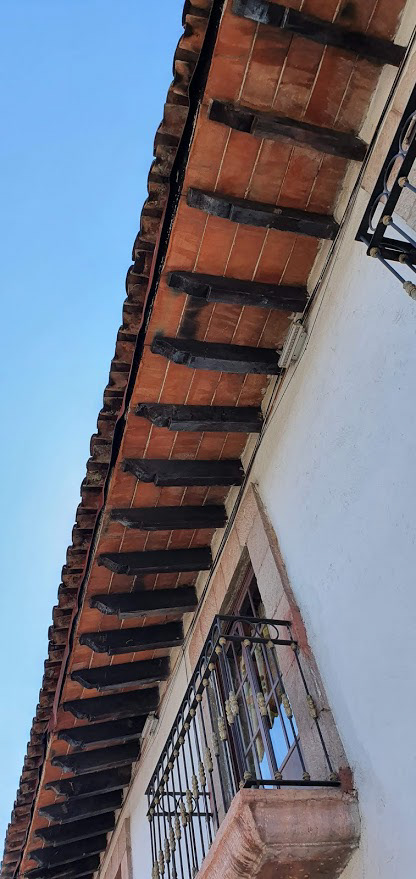

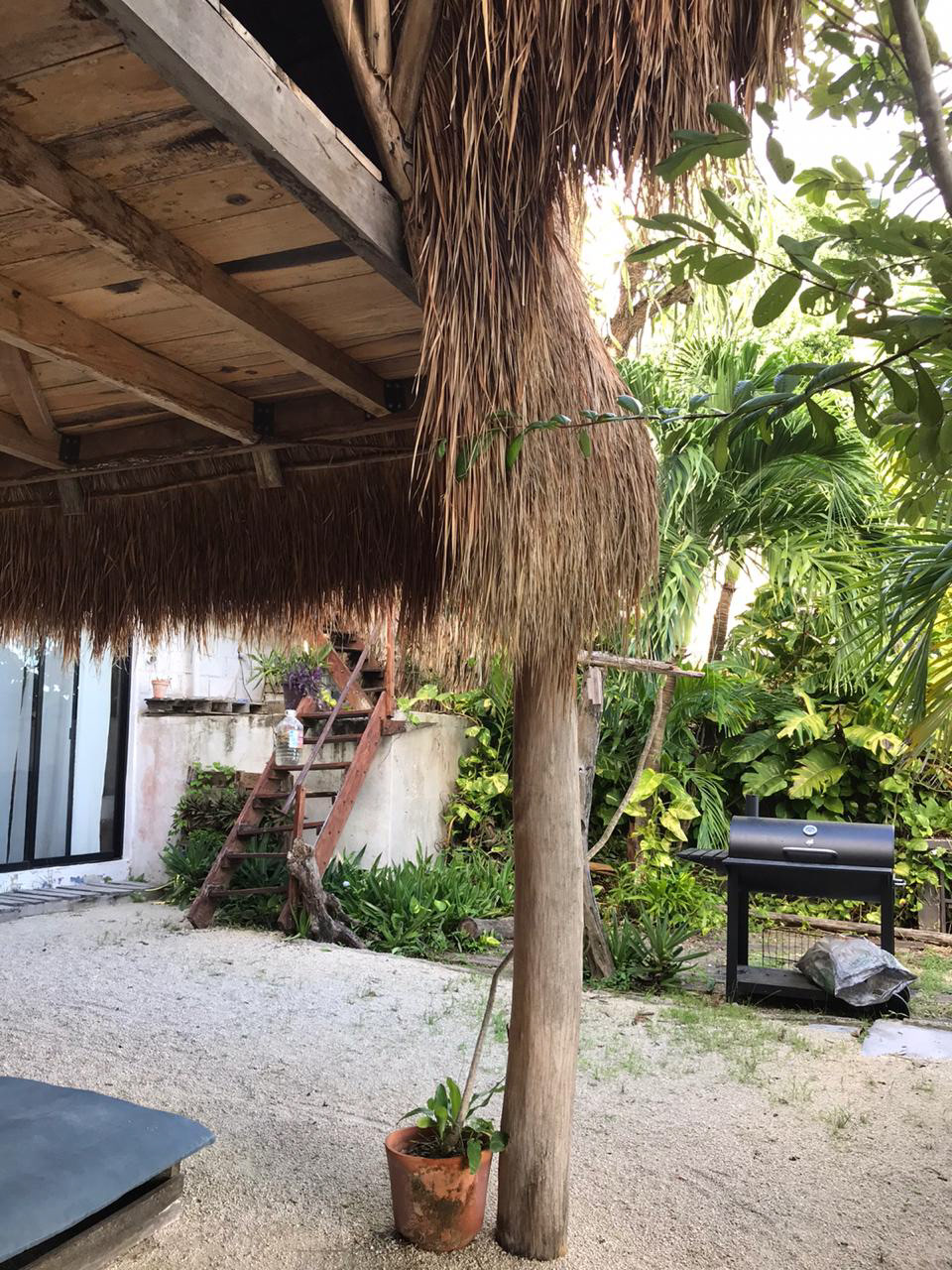
Context and Case Studies
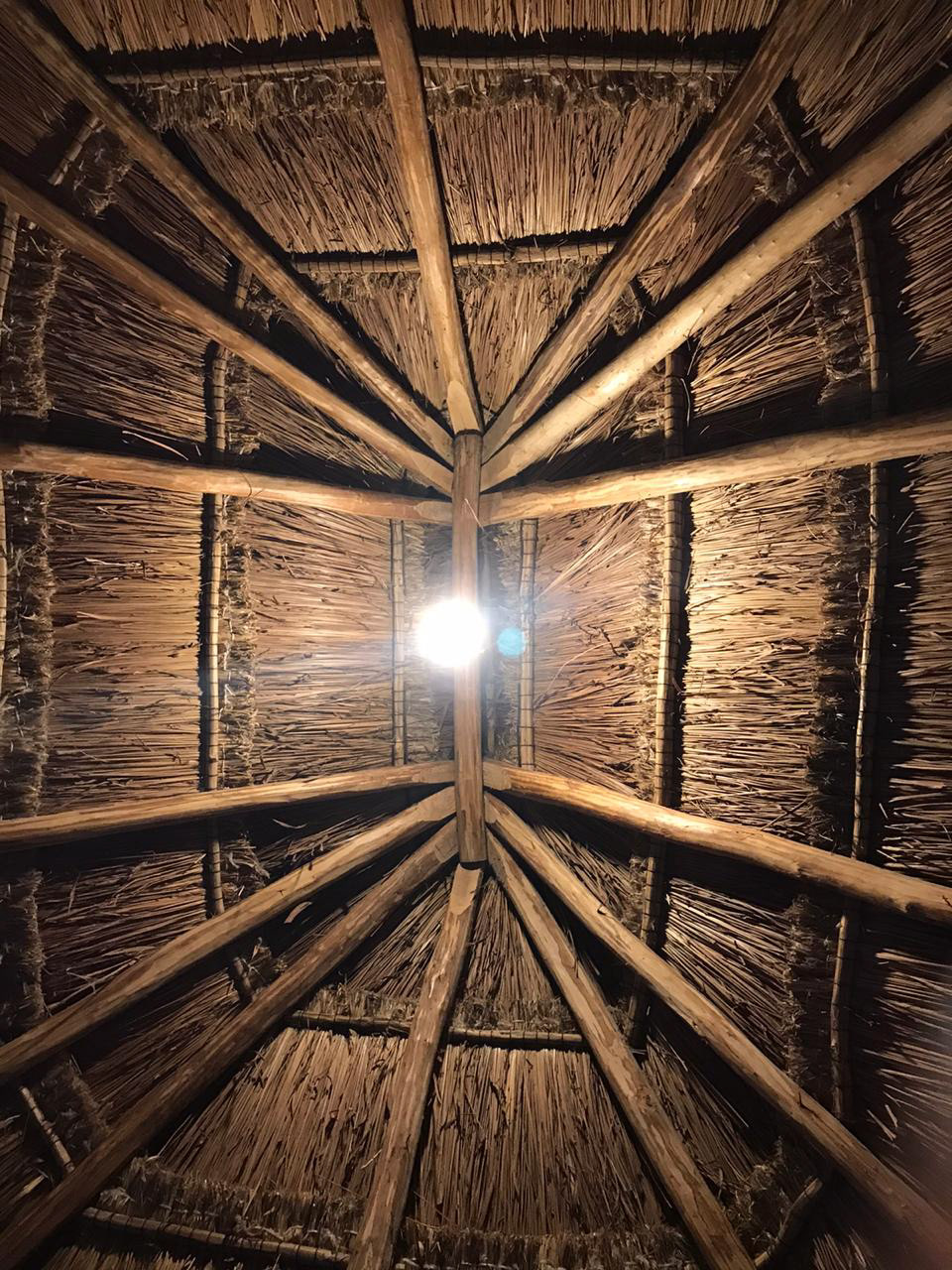
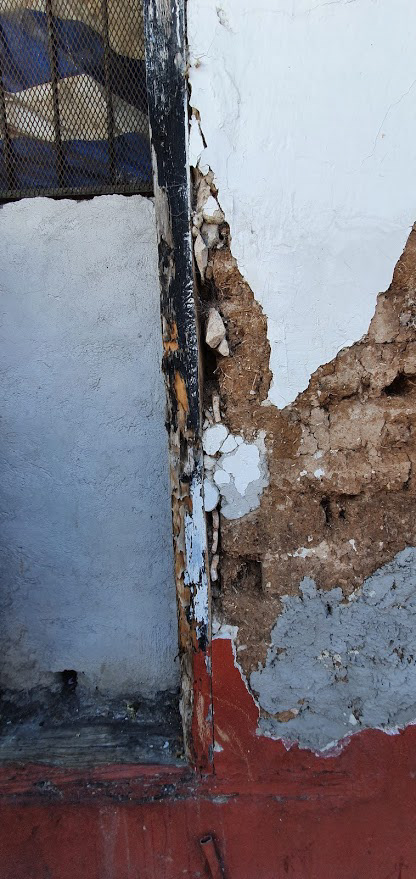
The design process began with the study of traditional houses and construction techniques found throughout the region. The analysis focused on adobe and stone walls, timber structures, clay-tile roofs, shaded transitional spaces, and the relationship between interior areas and open courtyards.
These references helped establish a construction strategy based on familiar materials and techniques that could be understood, maintained, and partially executed by local builders and future residents.
Concept Development
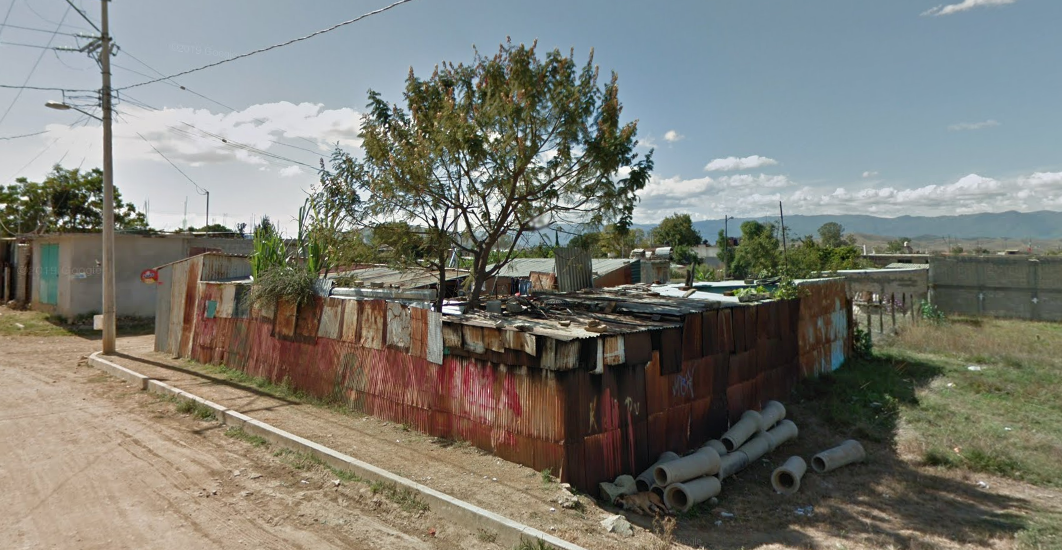
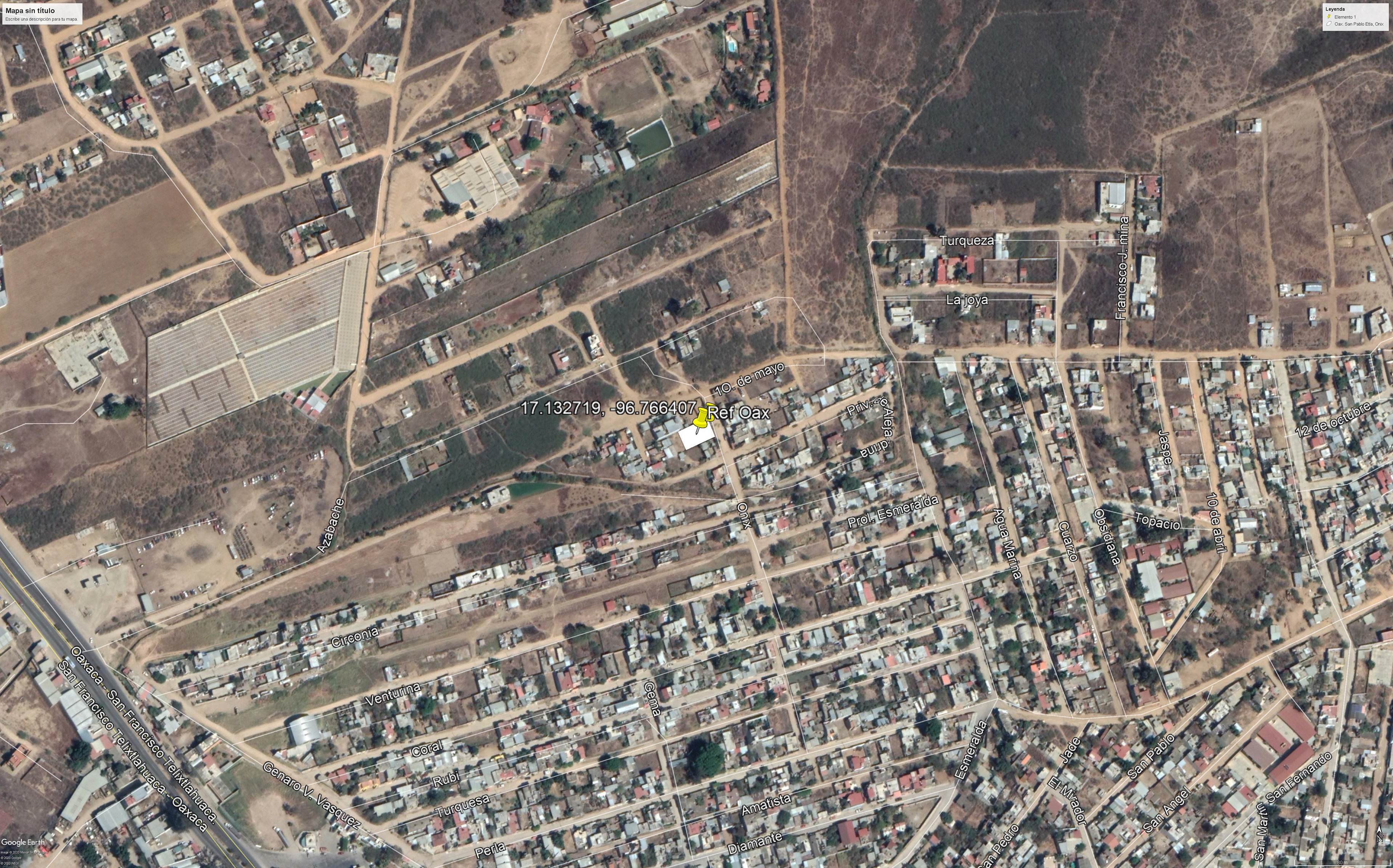
The house was conceived as an adaptable structure capable of responding to the future growth of the family. Its placement within the corner lot preserves an open area where additional rooms, productive spaces, or small commercial activities could be incorporated over time.
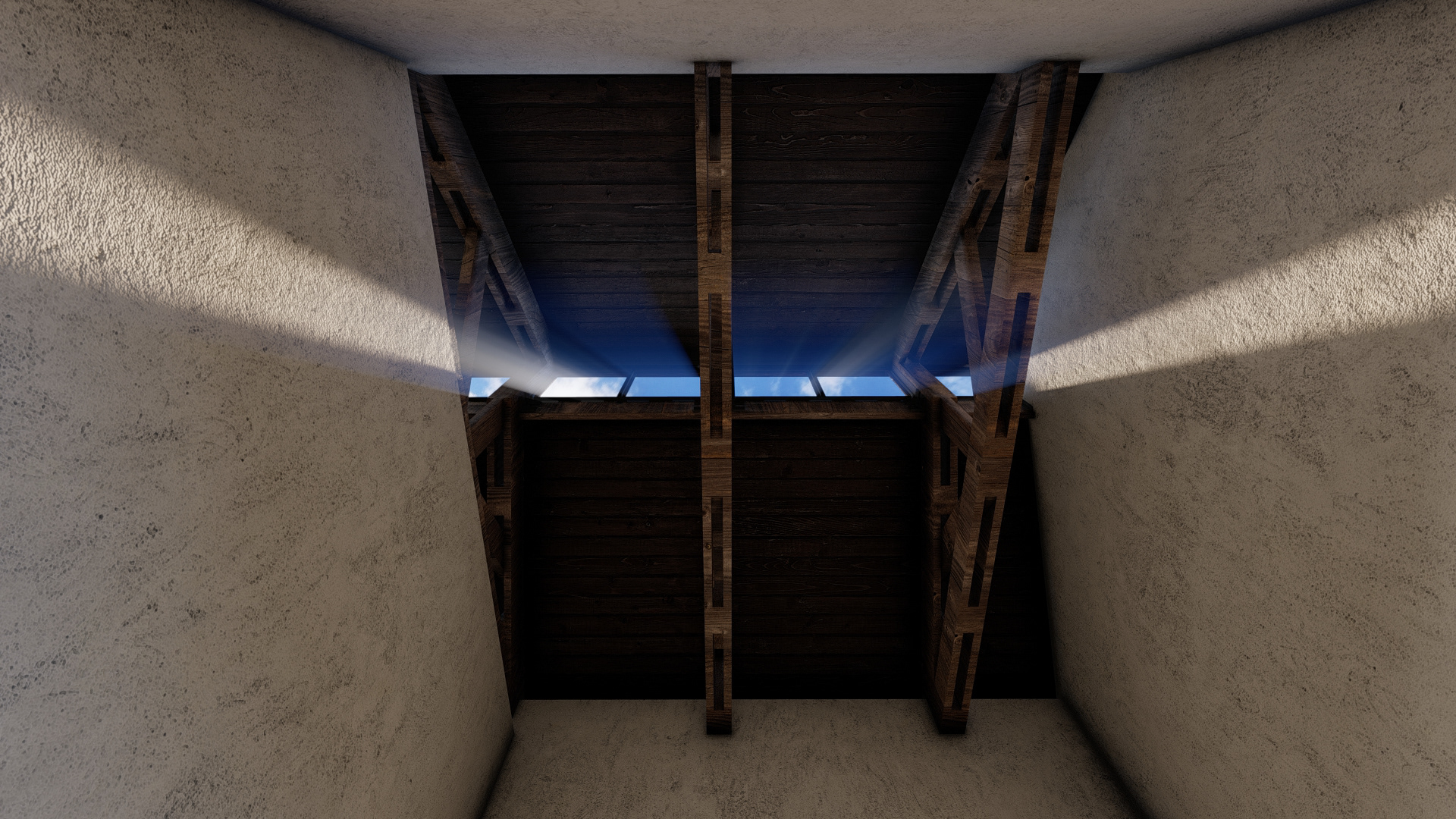
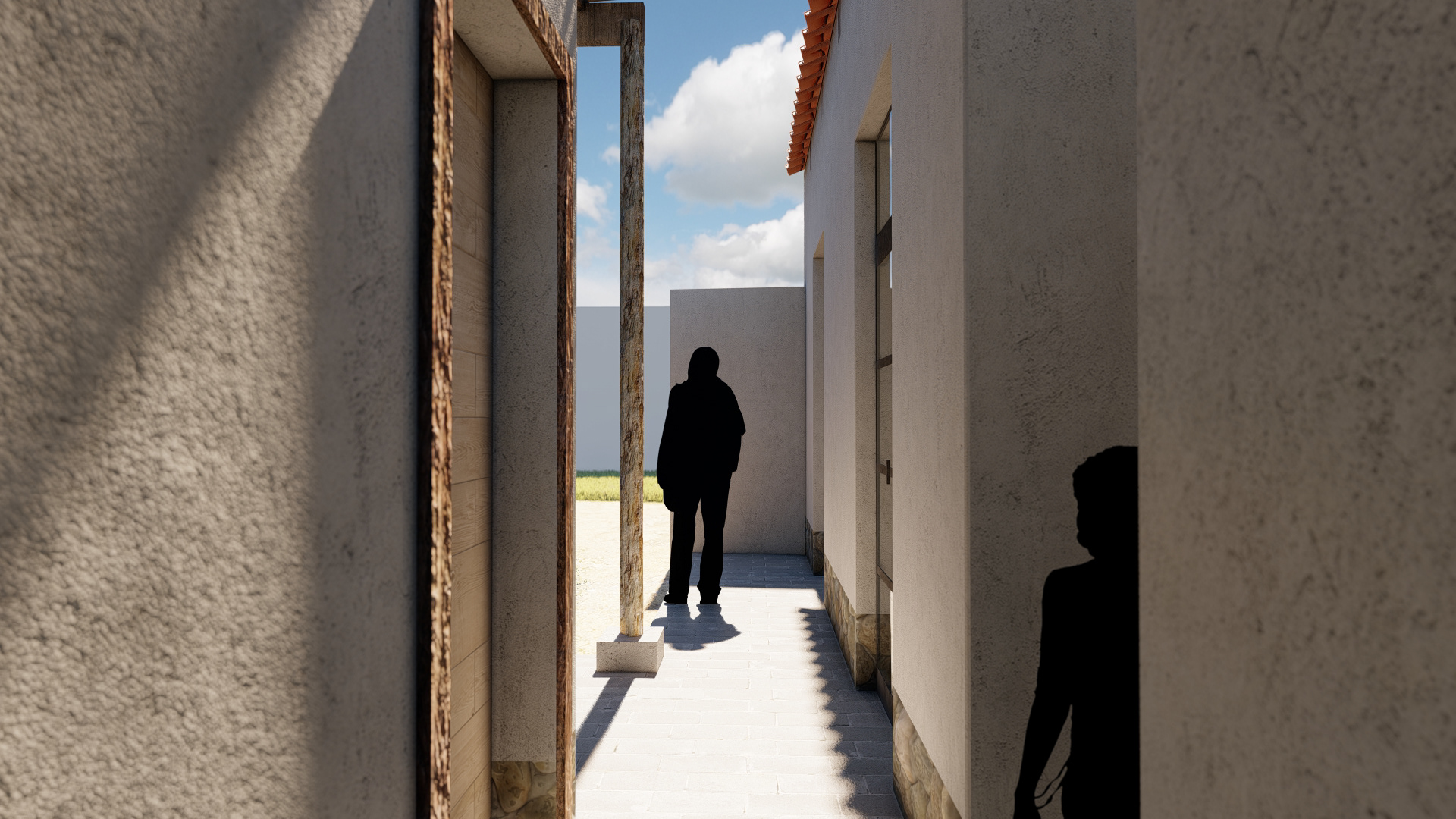
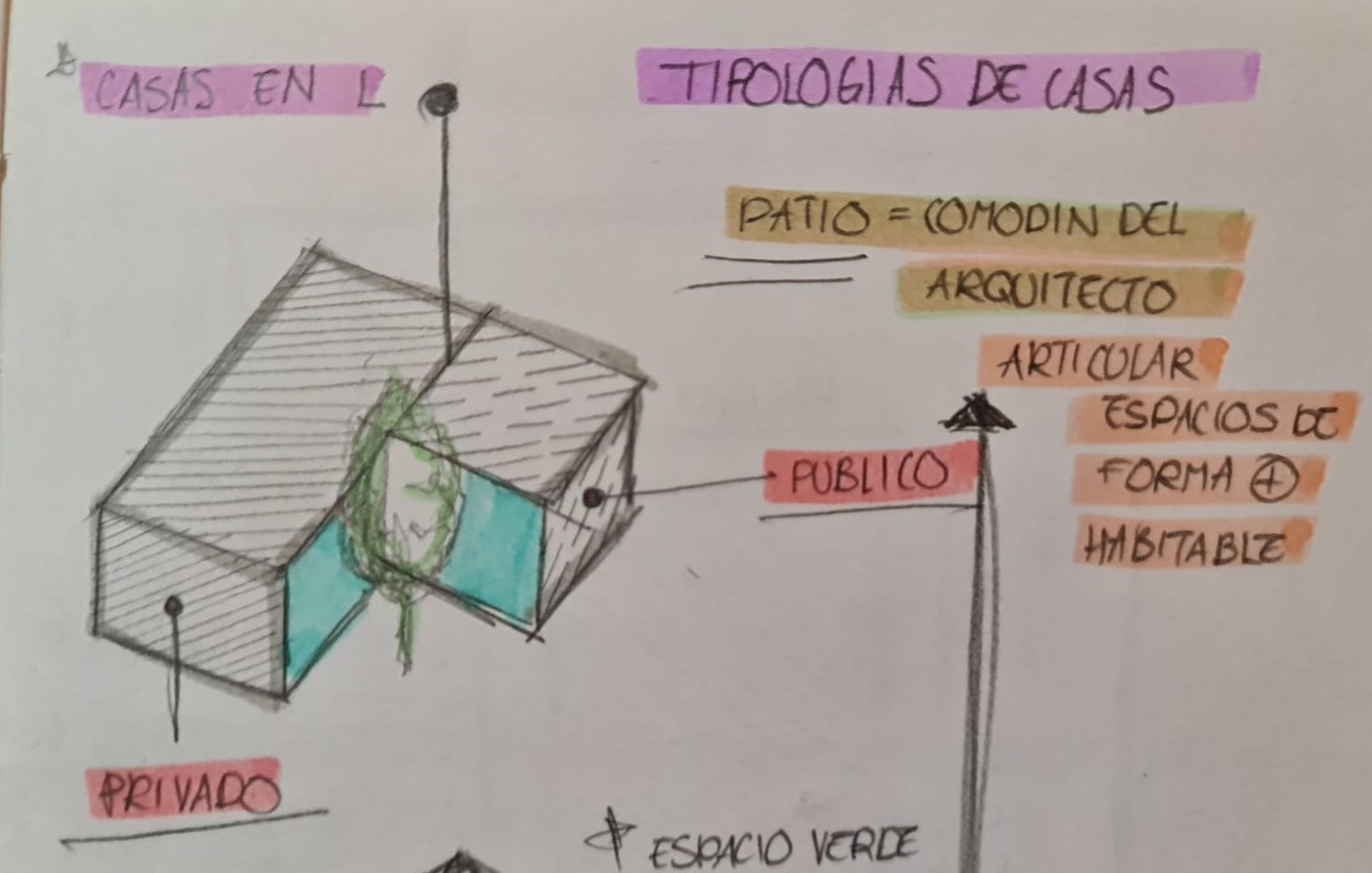
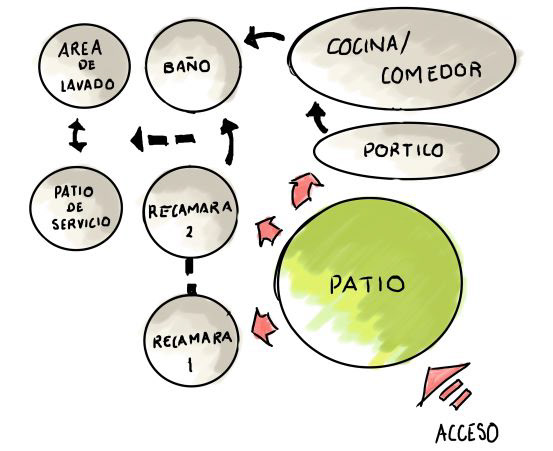
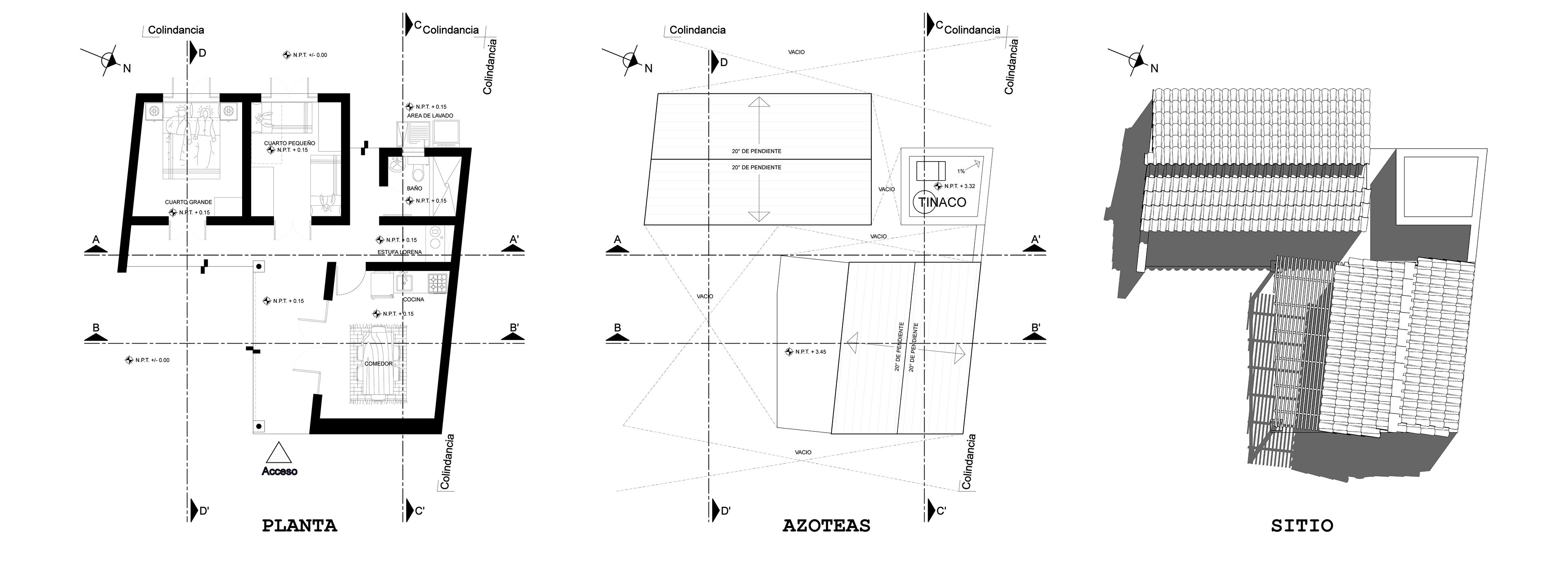
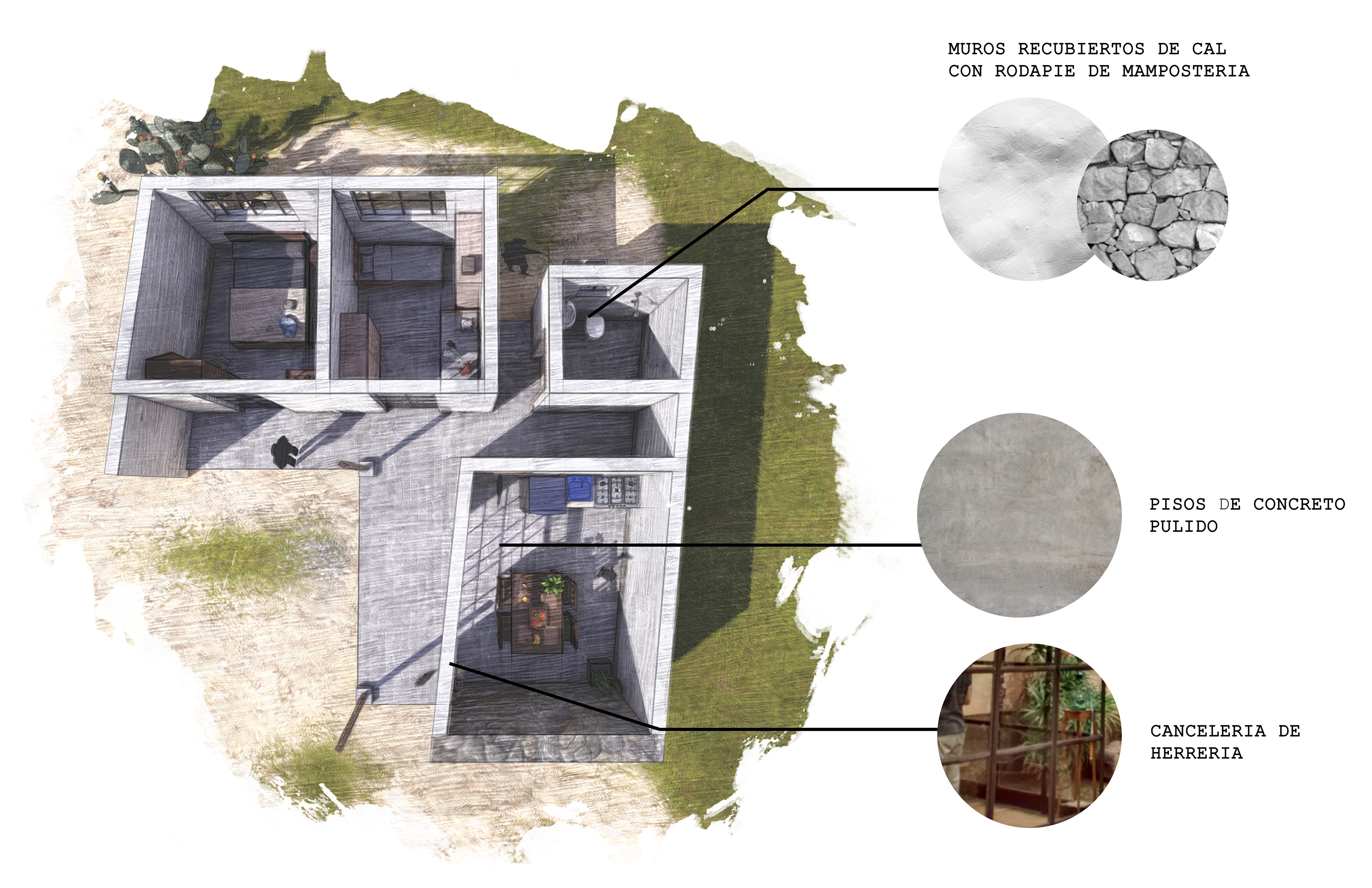
The L-shaped configuration organizes the living areas around a protected courtyard and separates the more private bedrooms from the kitchen and dining spaces. Openings, covered exterior areas, and changes in roof height improve natural lighting and ventilation while supporting the everyday activities of the household.
Plans


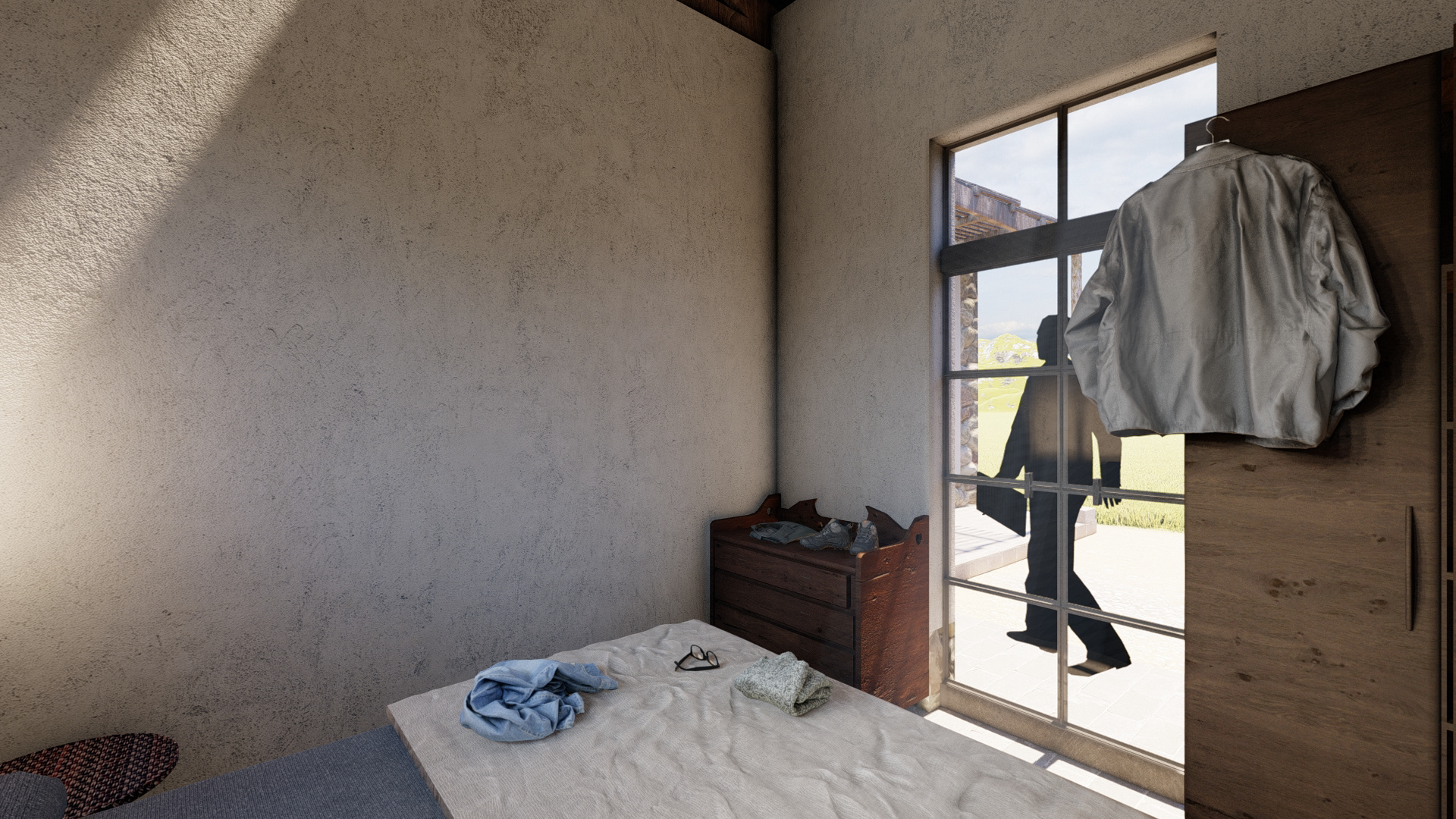
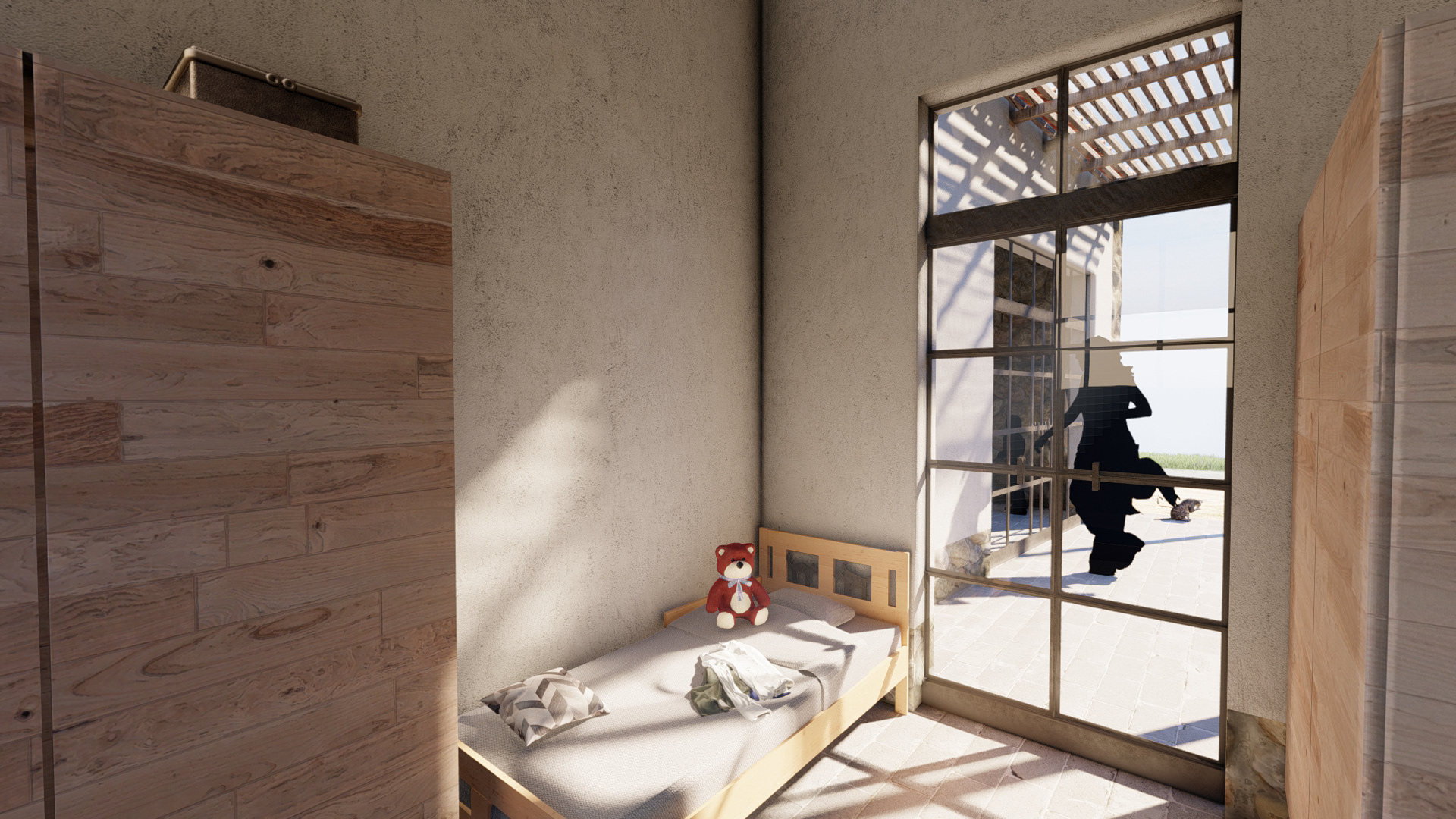
Renders