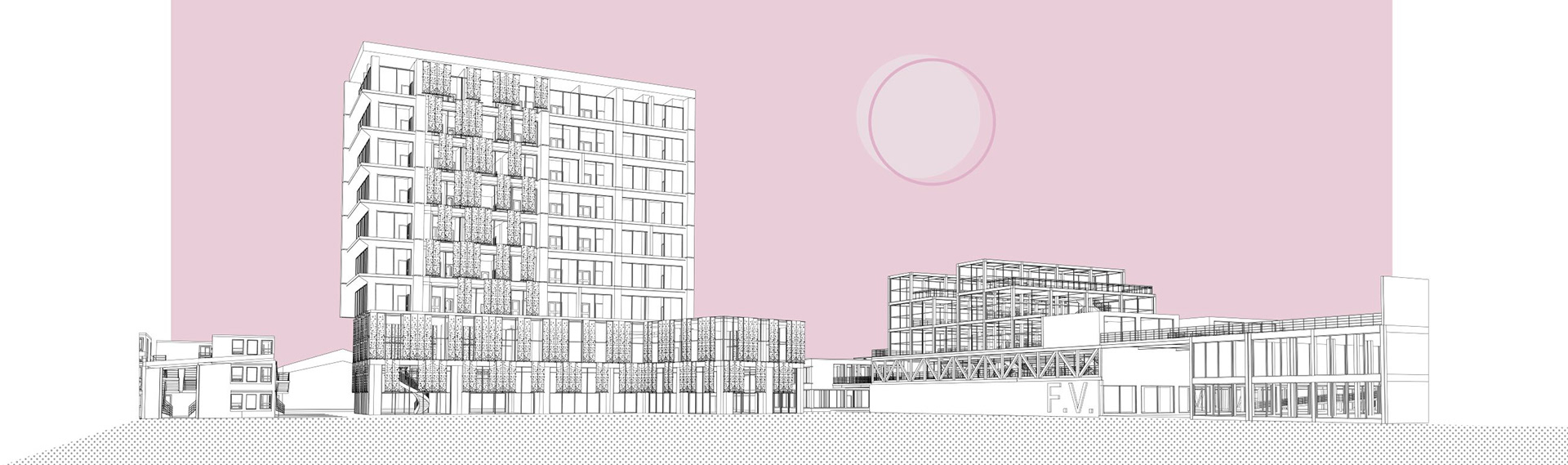

Tecnológico de Monterrey Campus Estado de México | EAAD RMX
Integrating Projects I
Semester February - June 2022
Student(s) | Paola Tepale, Kiria Sashida, César Huerta
Professor | Federico Colella
Project Name | Faro Vallejo
Project description | Cultural Center
T20 Heartbeats is an academic urban and architectural proposal developed for the Faro Vallejo area in Mexico City. The project addresses the challenges of urban re-densification, the underuse of the megablock, and the fragmentation created by the existing cadastral structure. Its main objective was to explore how architecture and urban design could reactivate the site without erasing its physical, social, and cultural identity.
The proposal was guided by the principles of the four R’s: rehabilitate, reuse, recycle, and reduce. Rather than approaching the site as an isolated architectural intervention, the project sought to establish a broader strategy capable of reconnecting public spaces, existing buildings, community activities, and mobility networks. The aim was to transform the megablock into a more accessible, active, and inclusive urban environment while preserving the elements that define its character.
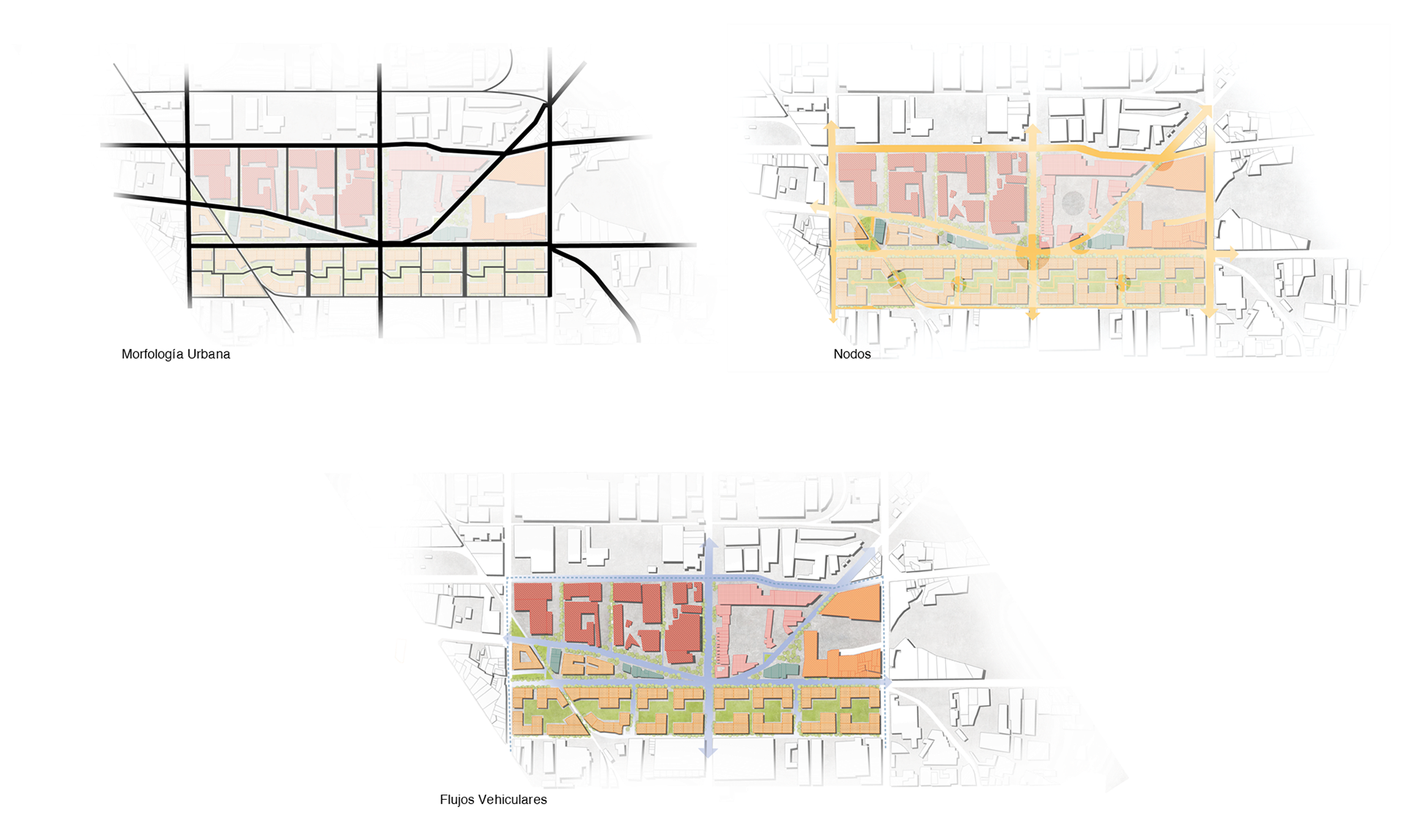
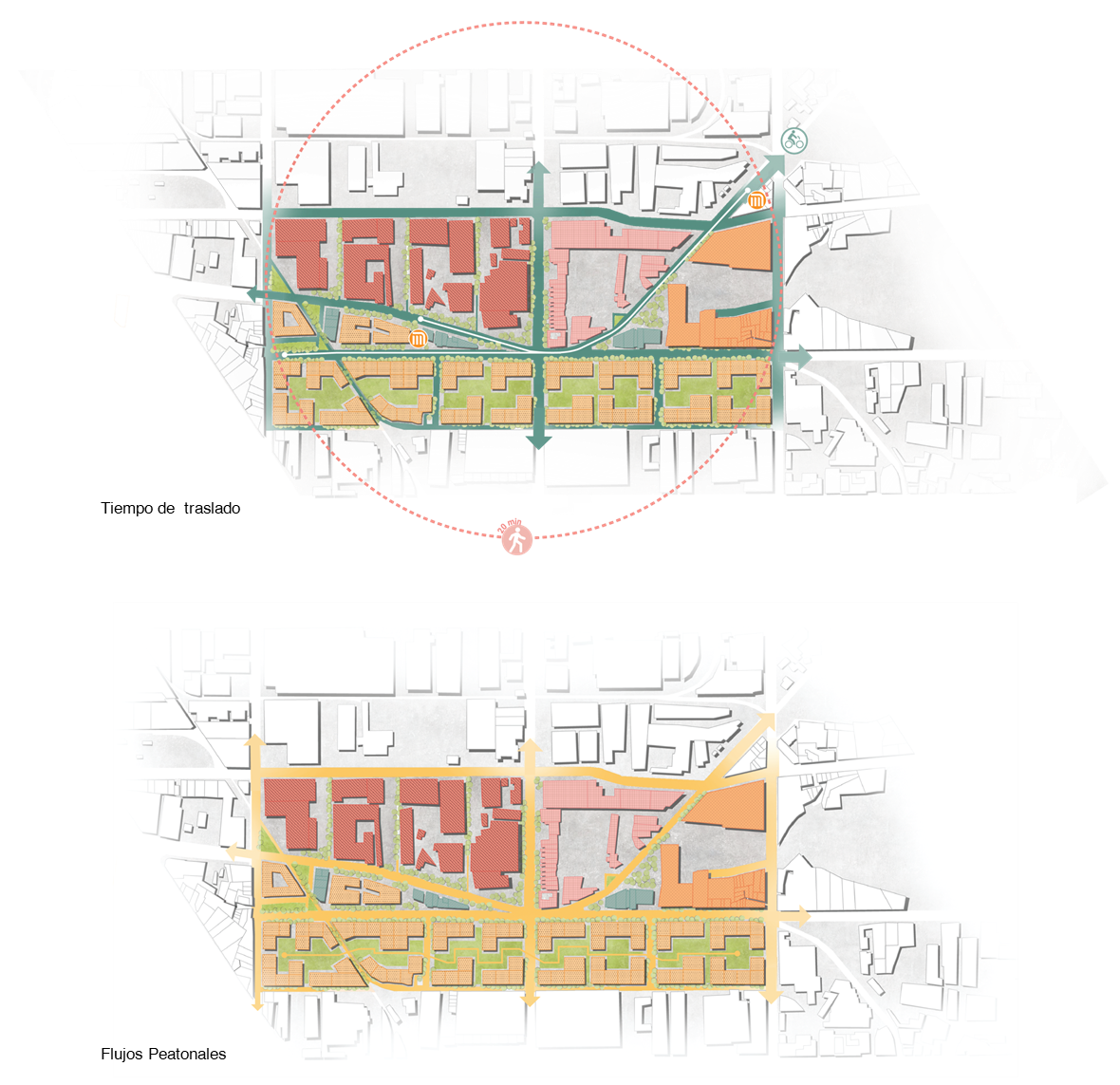
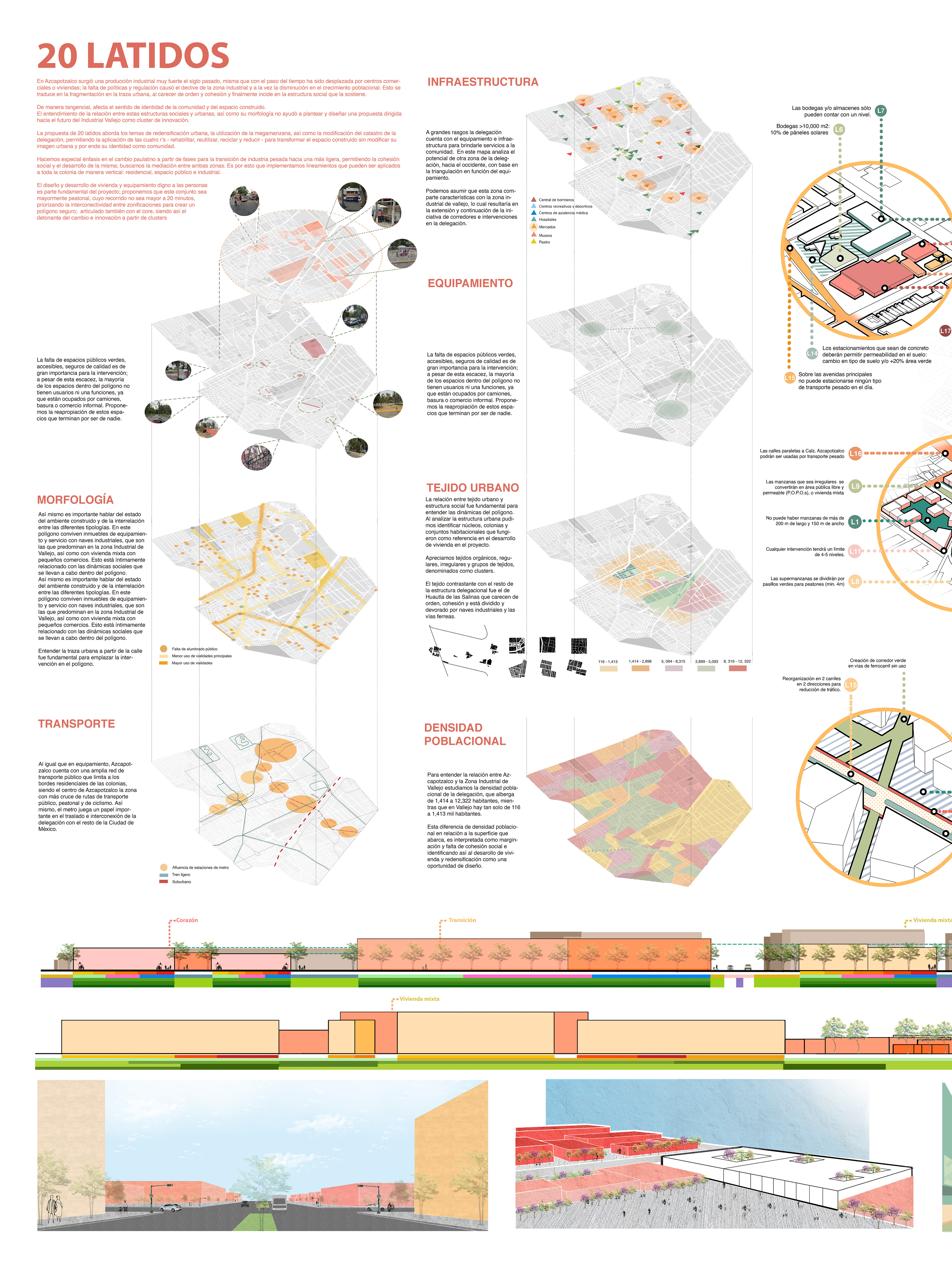
The design process began with an extensive regional and site analysis. A series of mappings was produced to study public space, urban morphology, transportation systems, local facilities, population density, and the surrounding urban fabric. This research helped identify physical barriers, areas of opportunity, patterns of movement, and the relationship between the site and its wider context.
Based on these findings, the proposal developed a cultural center conceived as a catalyst for the regeneration of Faro Vallejo. The architectural intervention sought to strengthen community life by introducing spaces for cultural, educational, and social activities while improving the connection between the project and its surroundings. The result was envisioned not only as a building, but as part of a larger urban system capable of encouraging interaction, participation, and a renewed sense of belonging.
The following selection presents the analytical mappings, conceptual development, urban strategies, and architectural studies produced throughout the project.
Development
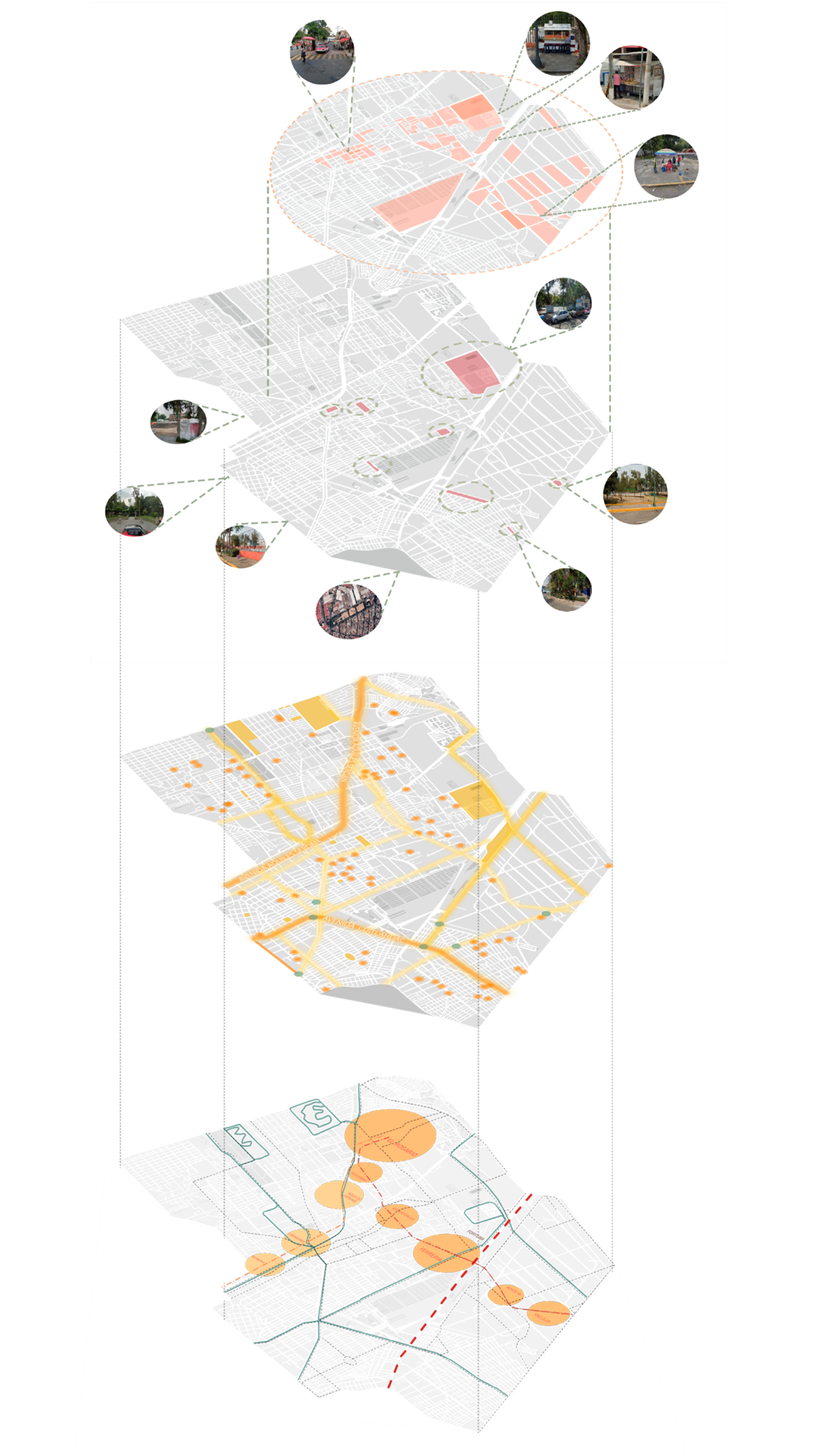
The project began with a multiscale analysis designed to understand the site beyond its immediate physical boundaries. The research considered the relationship between Faro Vallejo, the surrounding neighborhoods, existing public spaces, transportation infrastructure, local facilities, and demographic conditions.
-The mapping process focused on six main areas:
- Public space
- Urban morphology
- Transportation and mobility
- Public and cultural facilities
- Urban fabric
- Population density
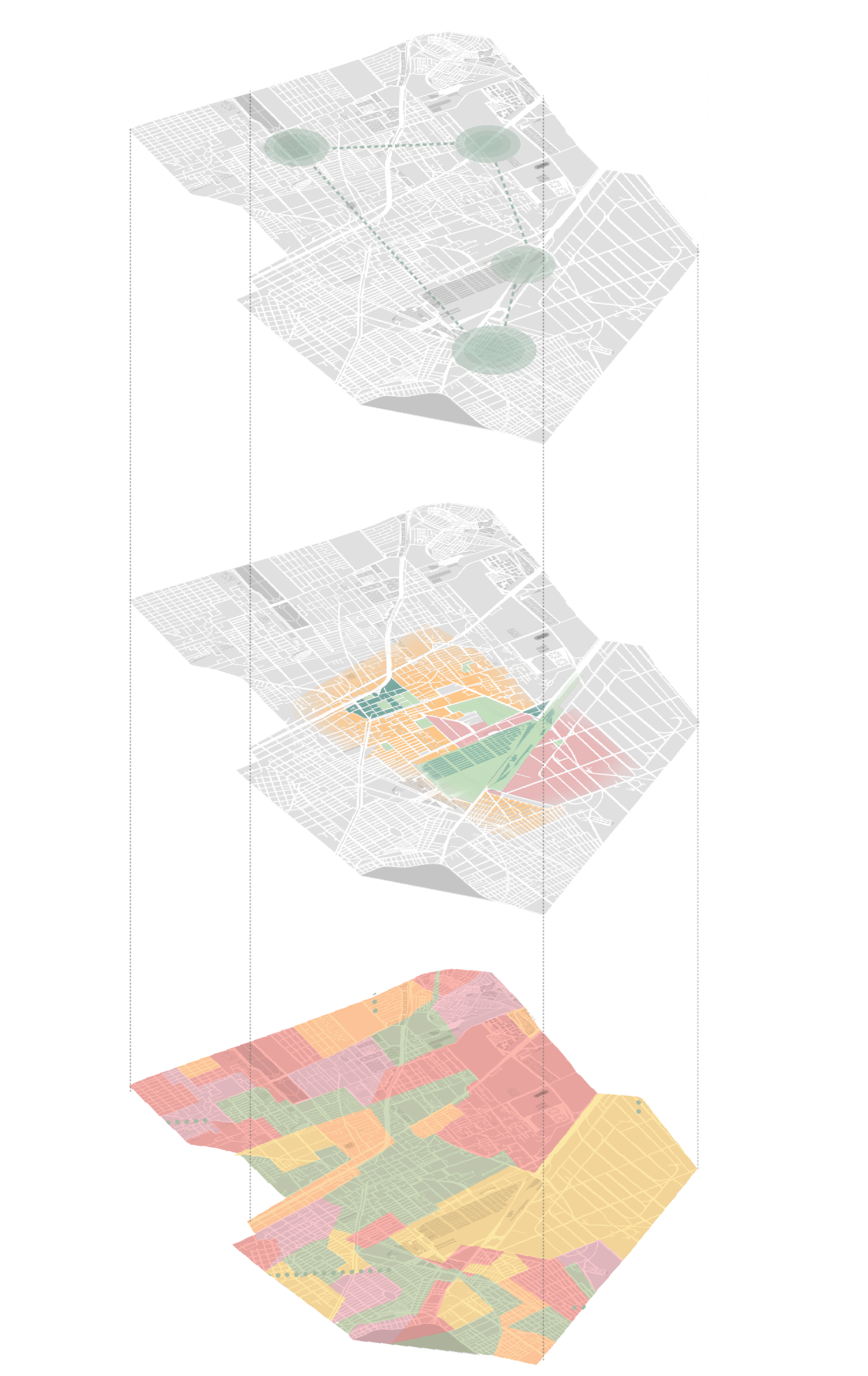
By comparing these layers, the team identified the main challenges affecting the area and established the criteria that would guide the architectural and urban proposal. This analytical process allowed the intervention to respond directly to the existing conditions of the site and to propose strategies grounded in its social and spatial context.
Guidelines
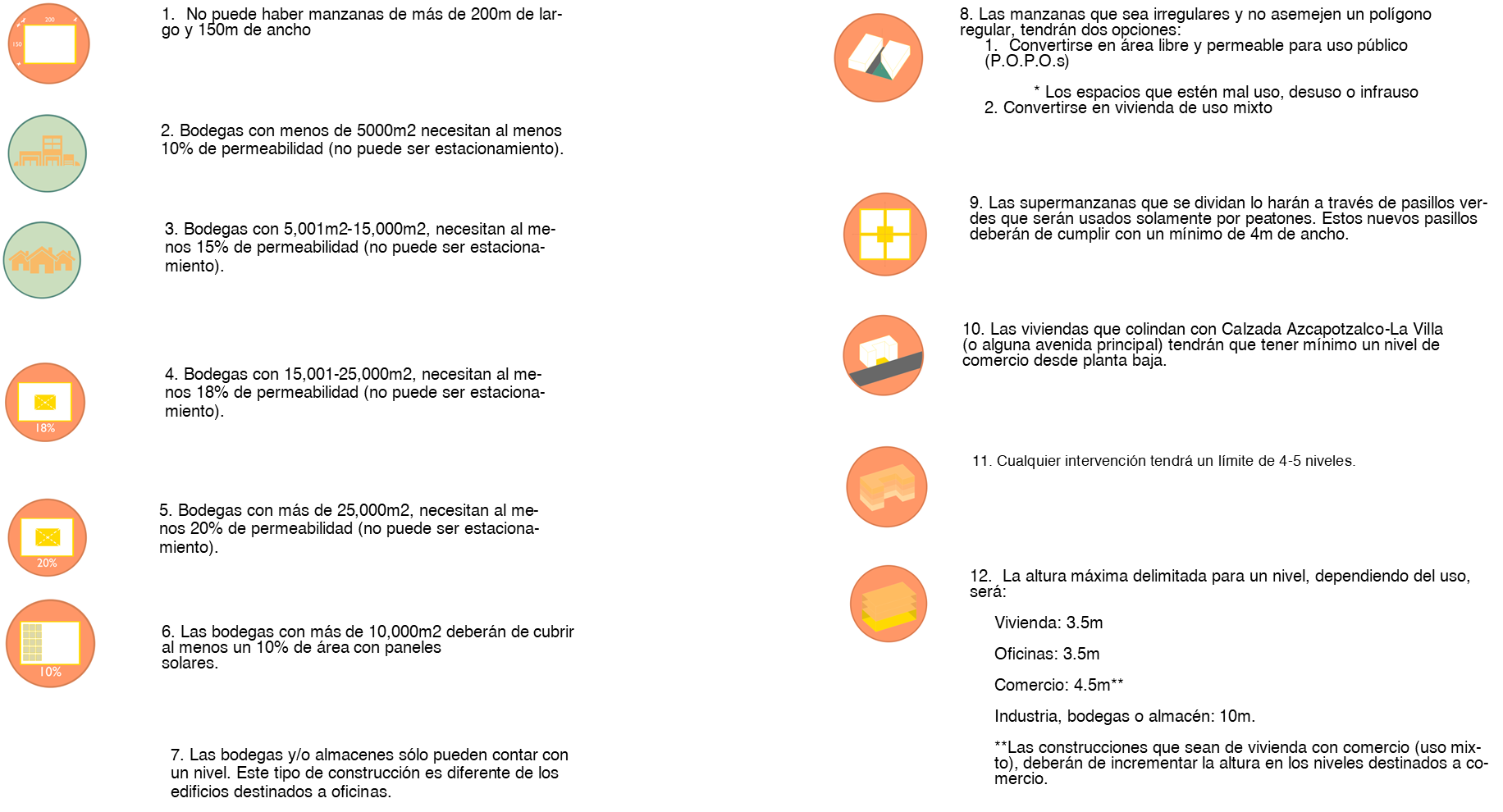
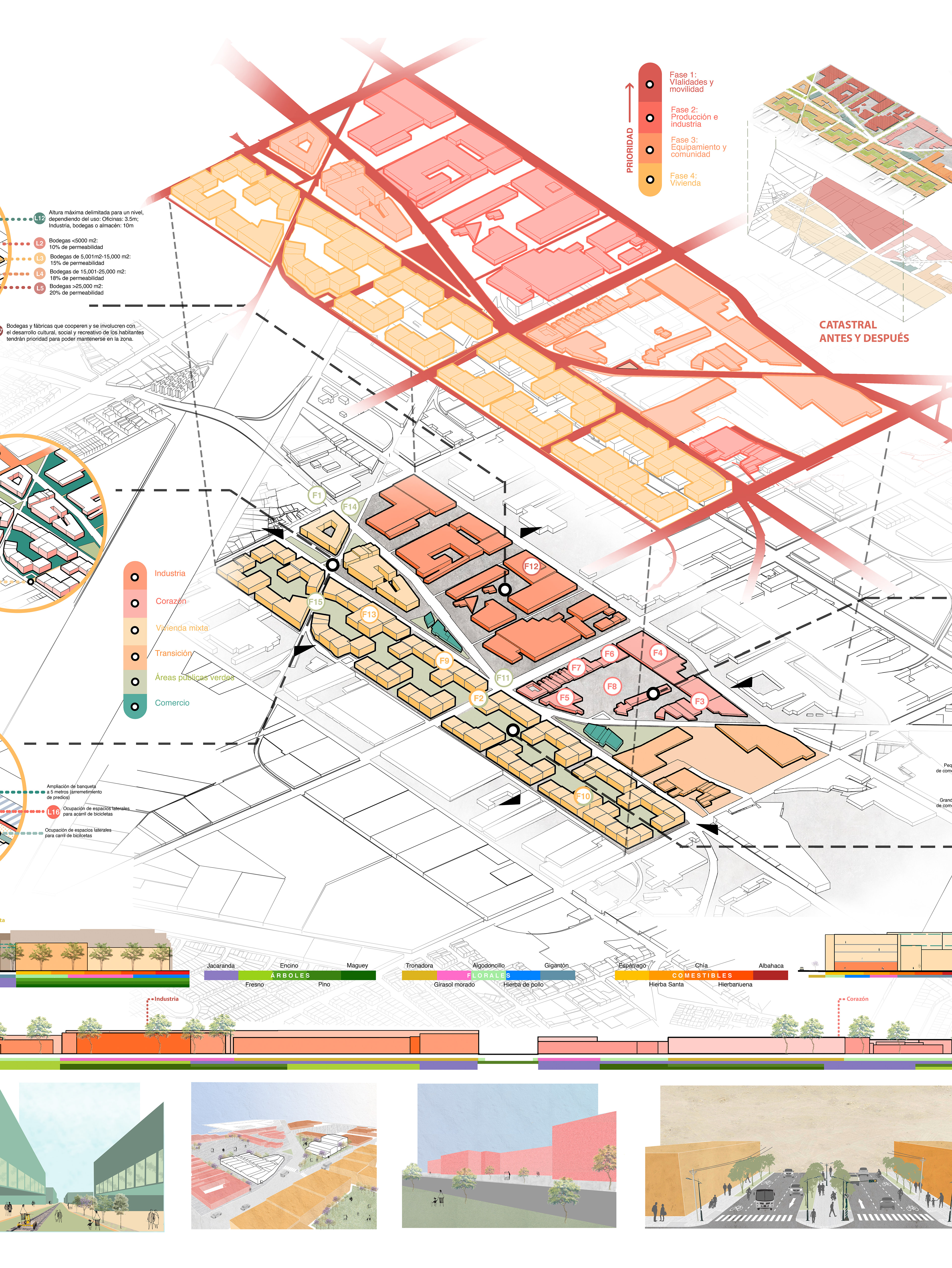
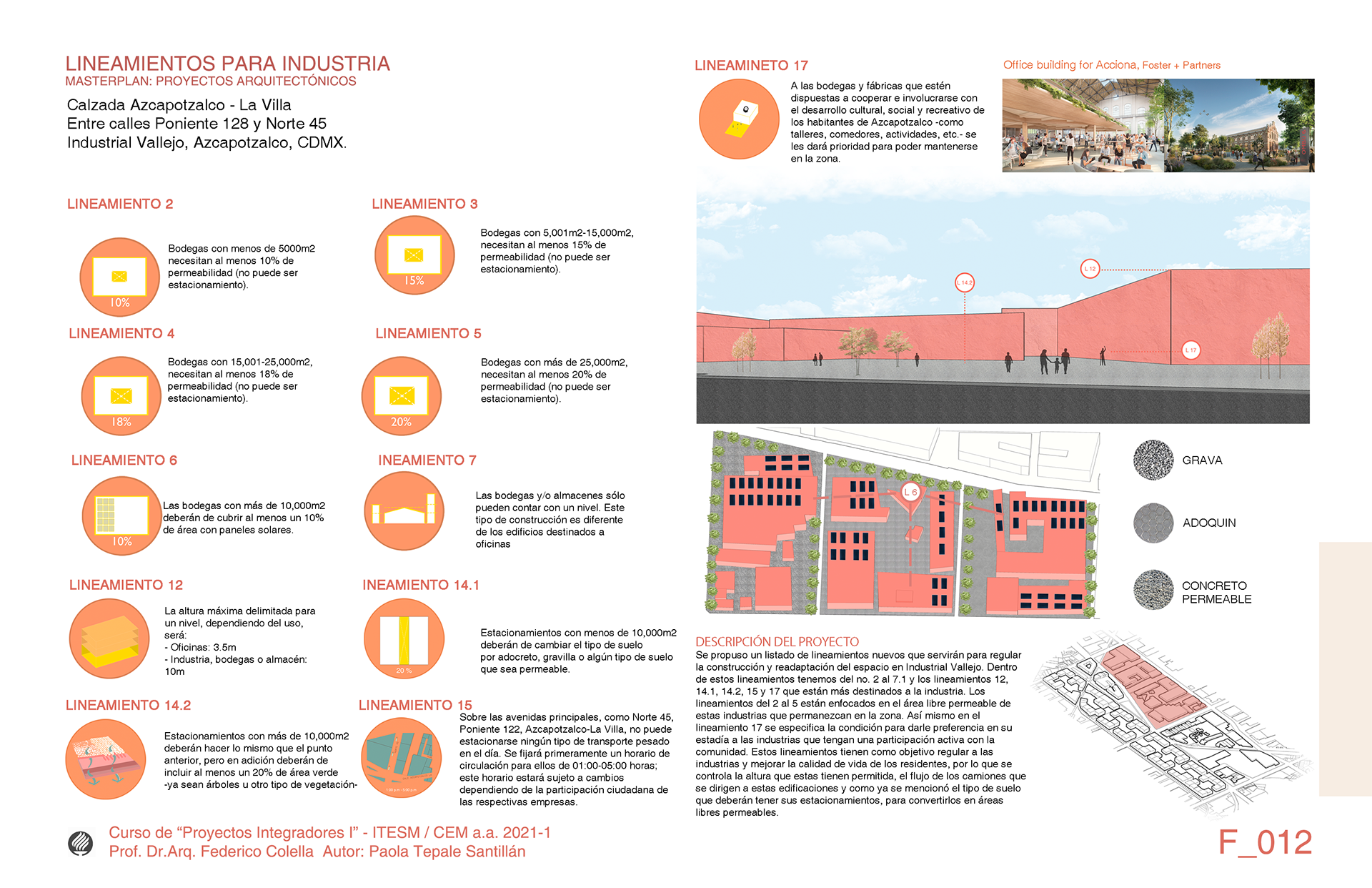
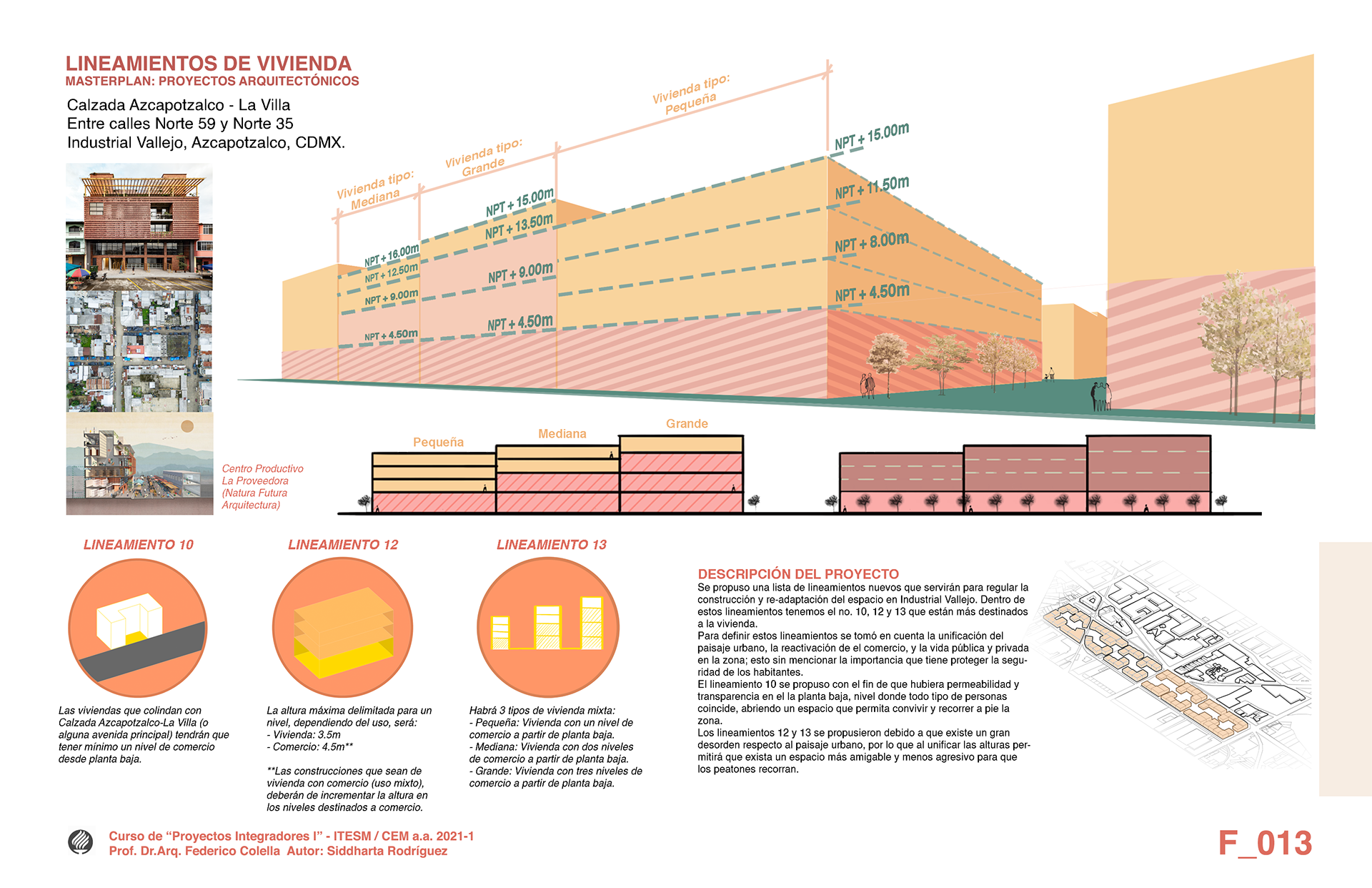
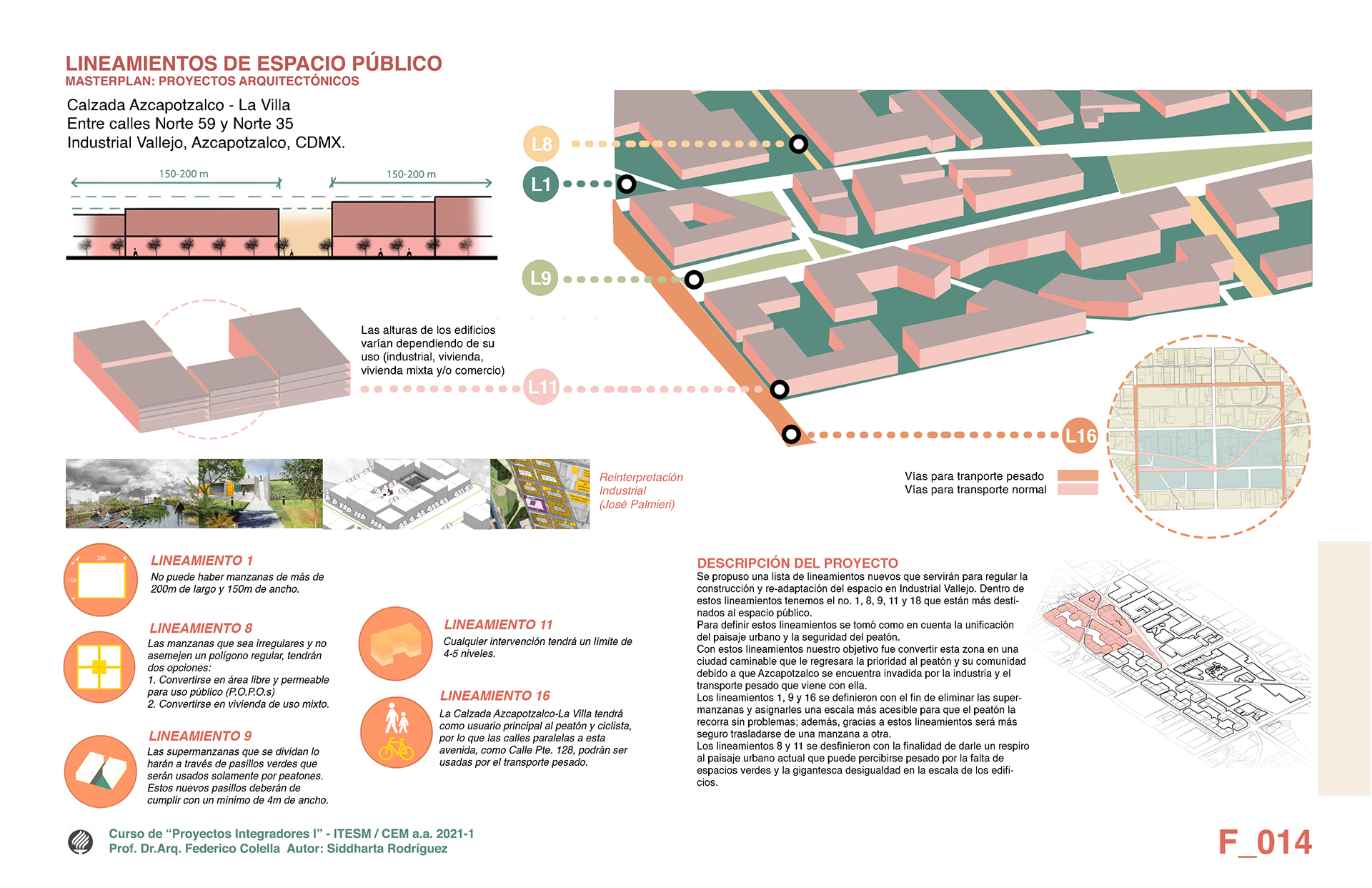
The first intervention is located in the central area of the Vallejo Industrial Zone, between Calzada Azcapotzalco–La Villa and Avenida Norte 45. Based on the conditions identified in this sector, a series of urban guidelines was developed to guide future interventions throughout the district.
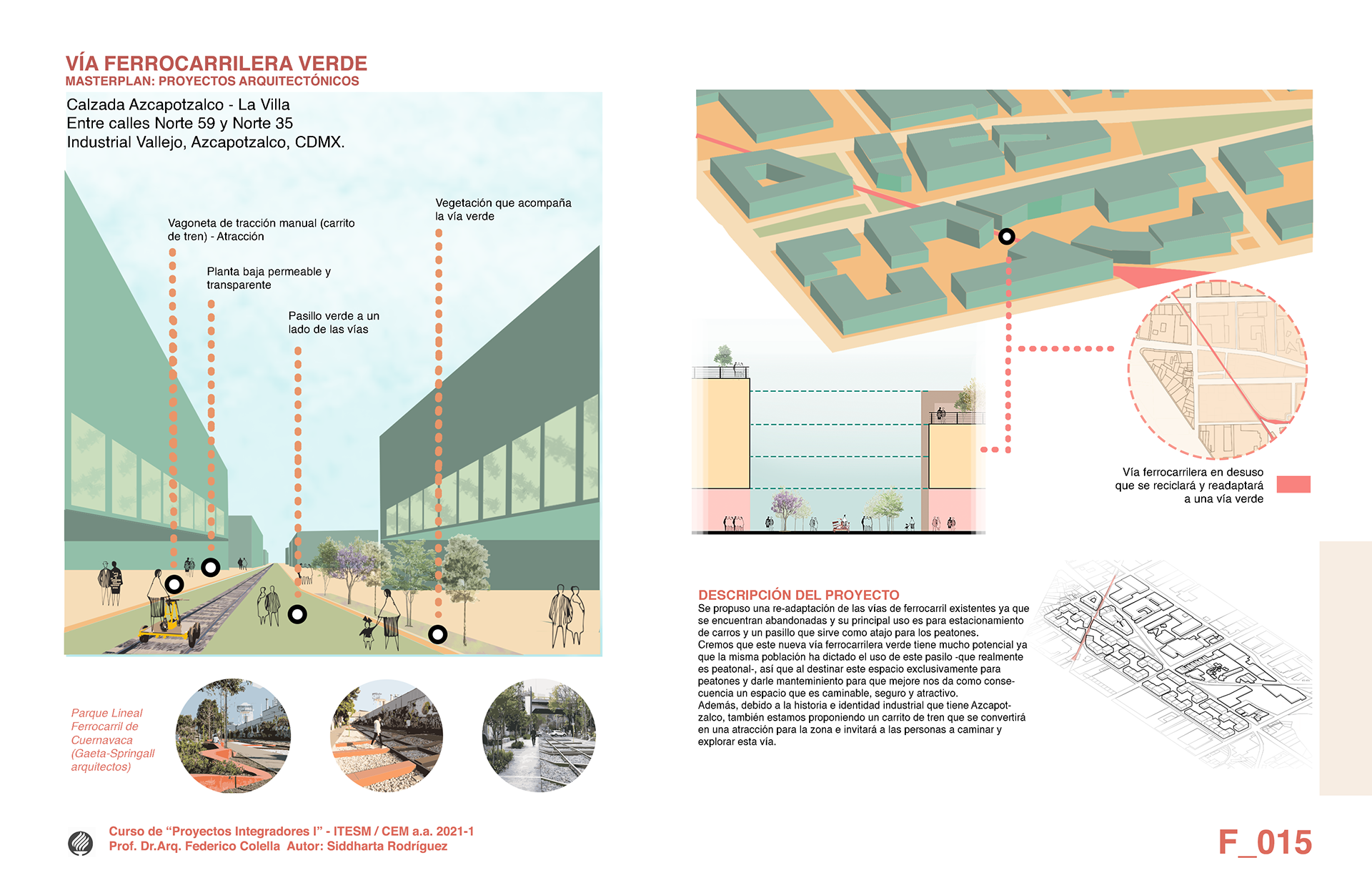
These principles address block dimensions, building heights, ground permeability, mixed-use development, parking, public space, and the adaptive reuse of existing industrial structures.

Urban Strategies
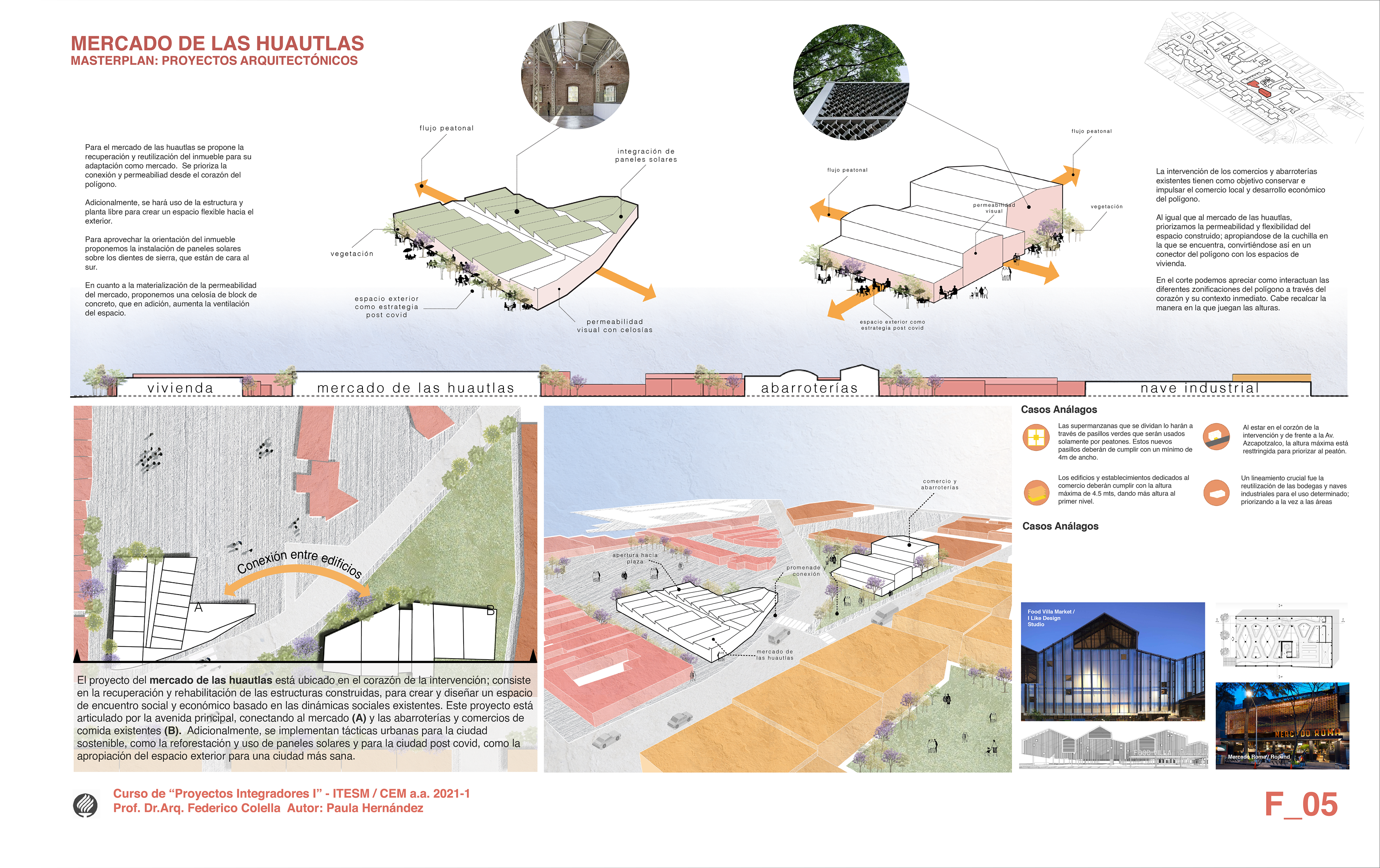
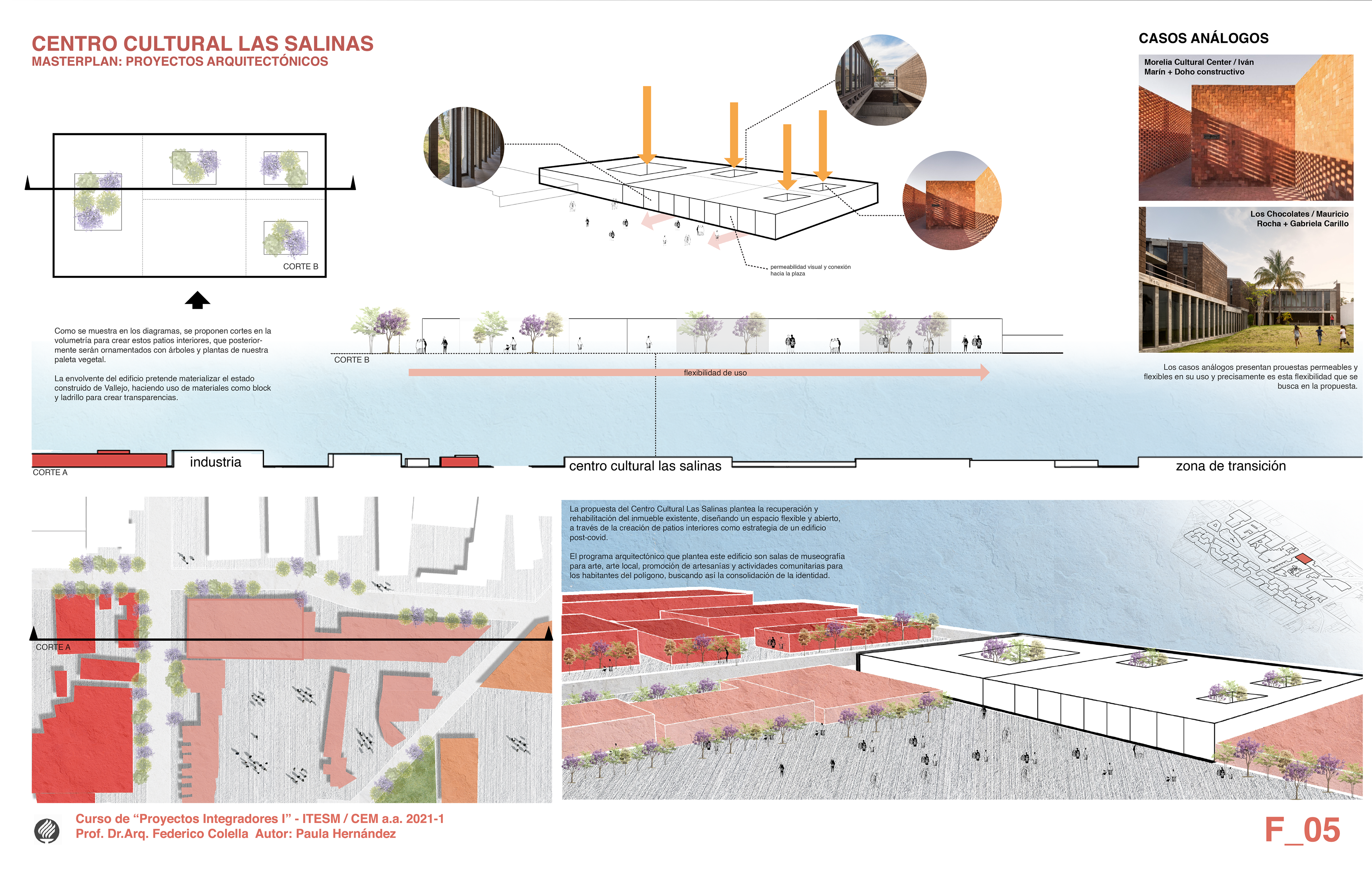
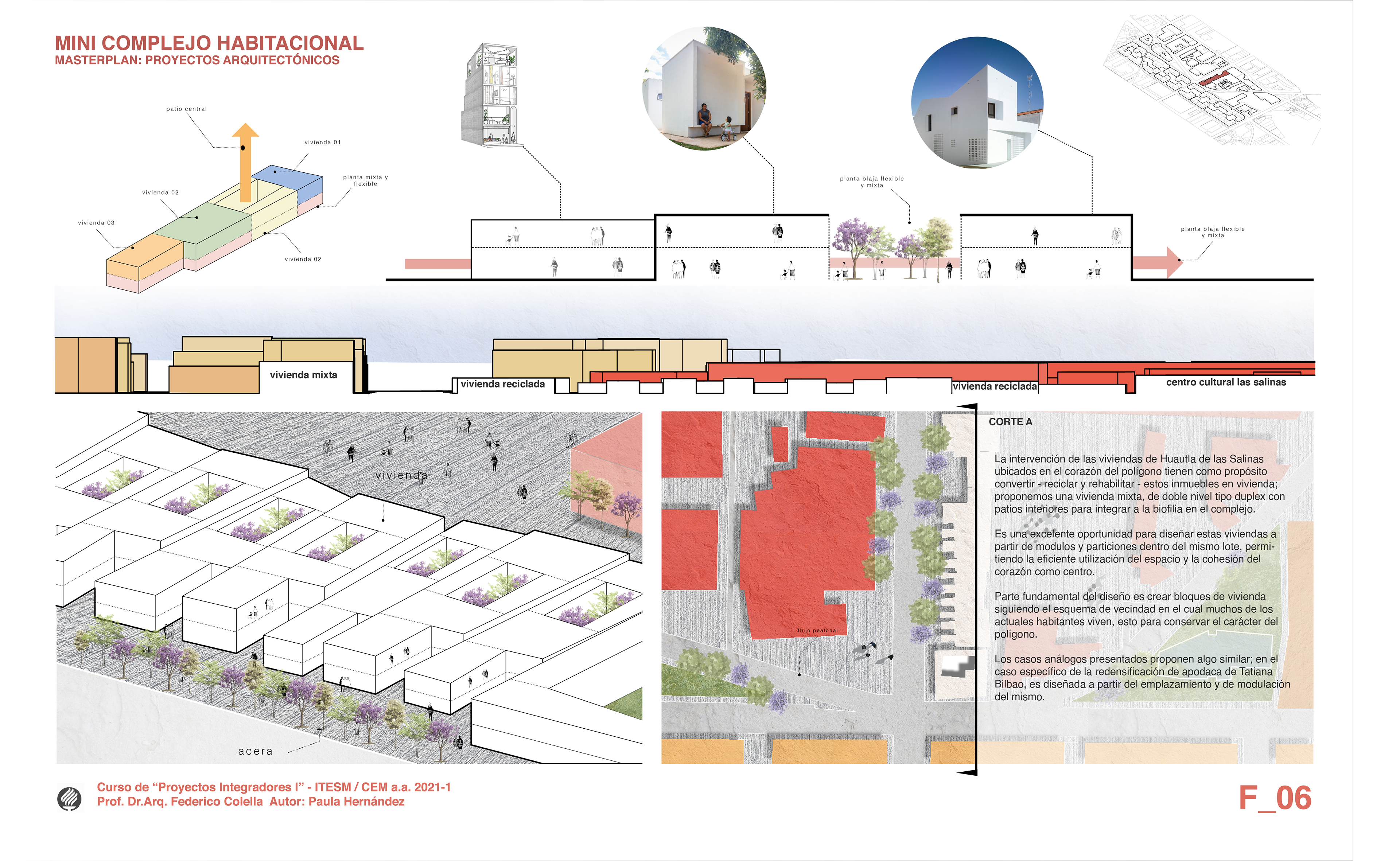
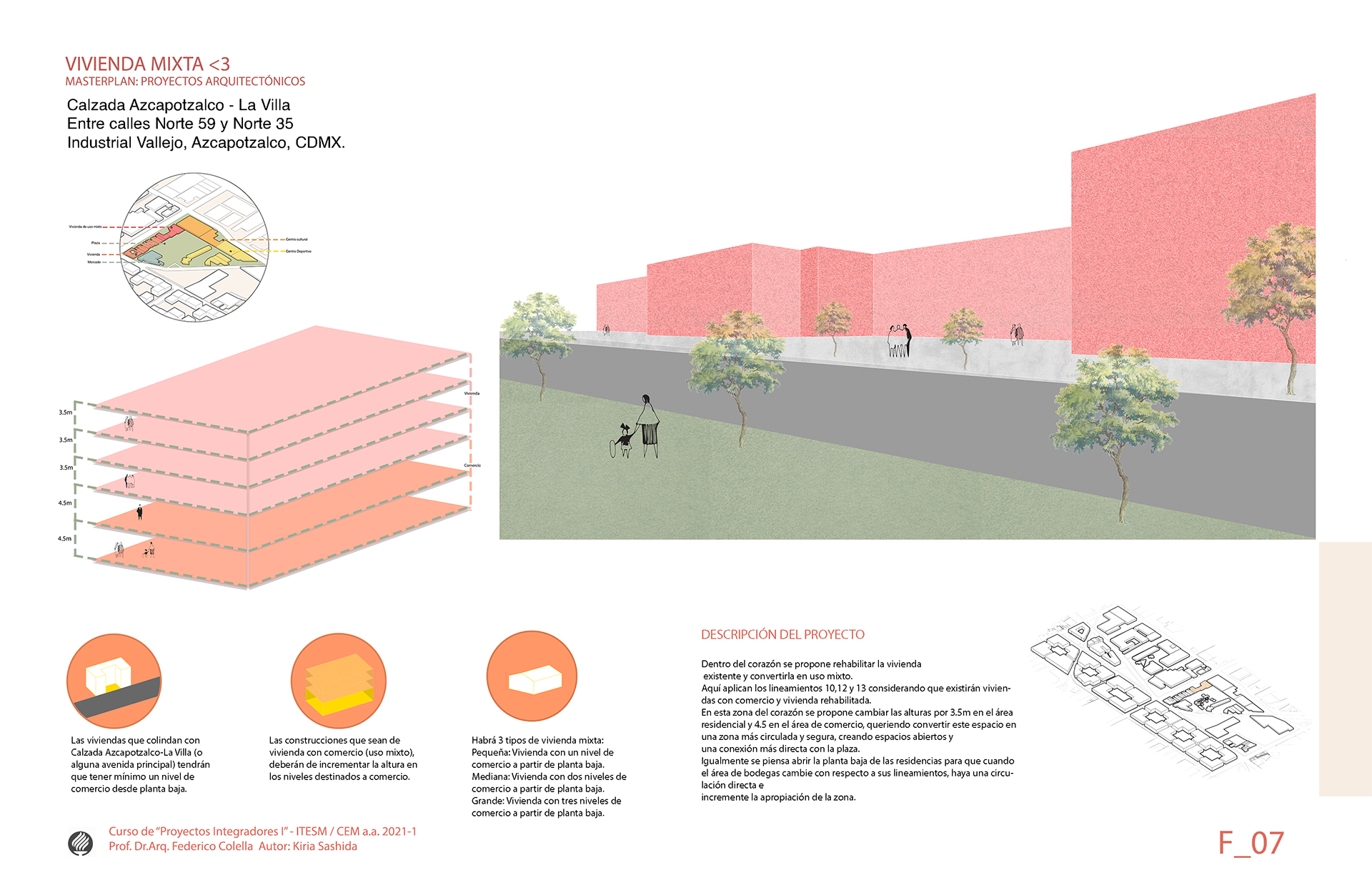
Master Plan
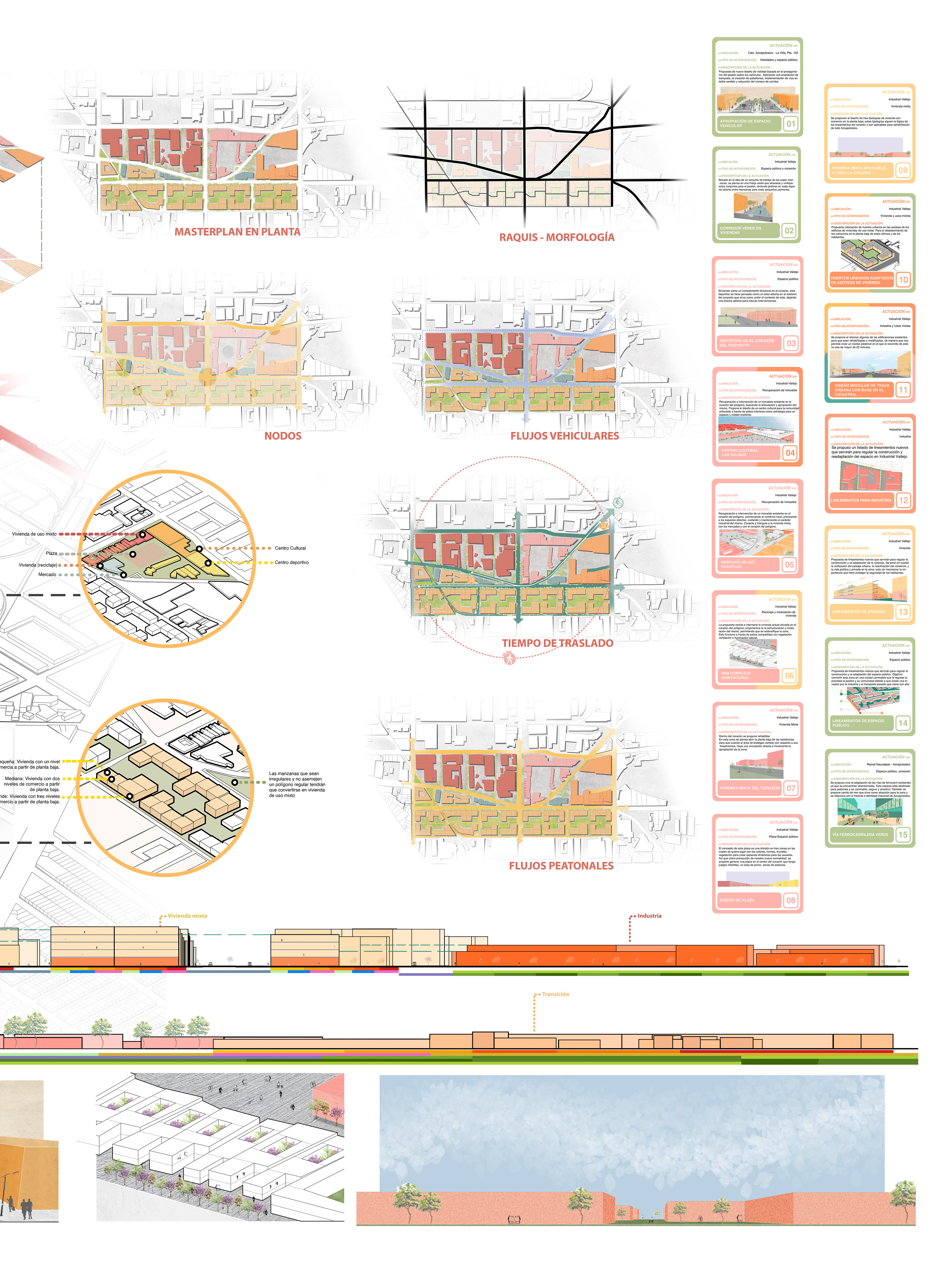
Concept sheets
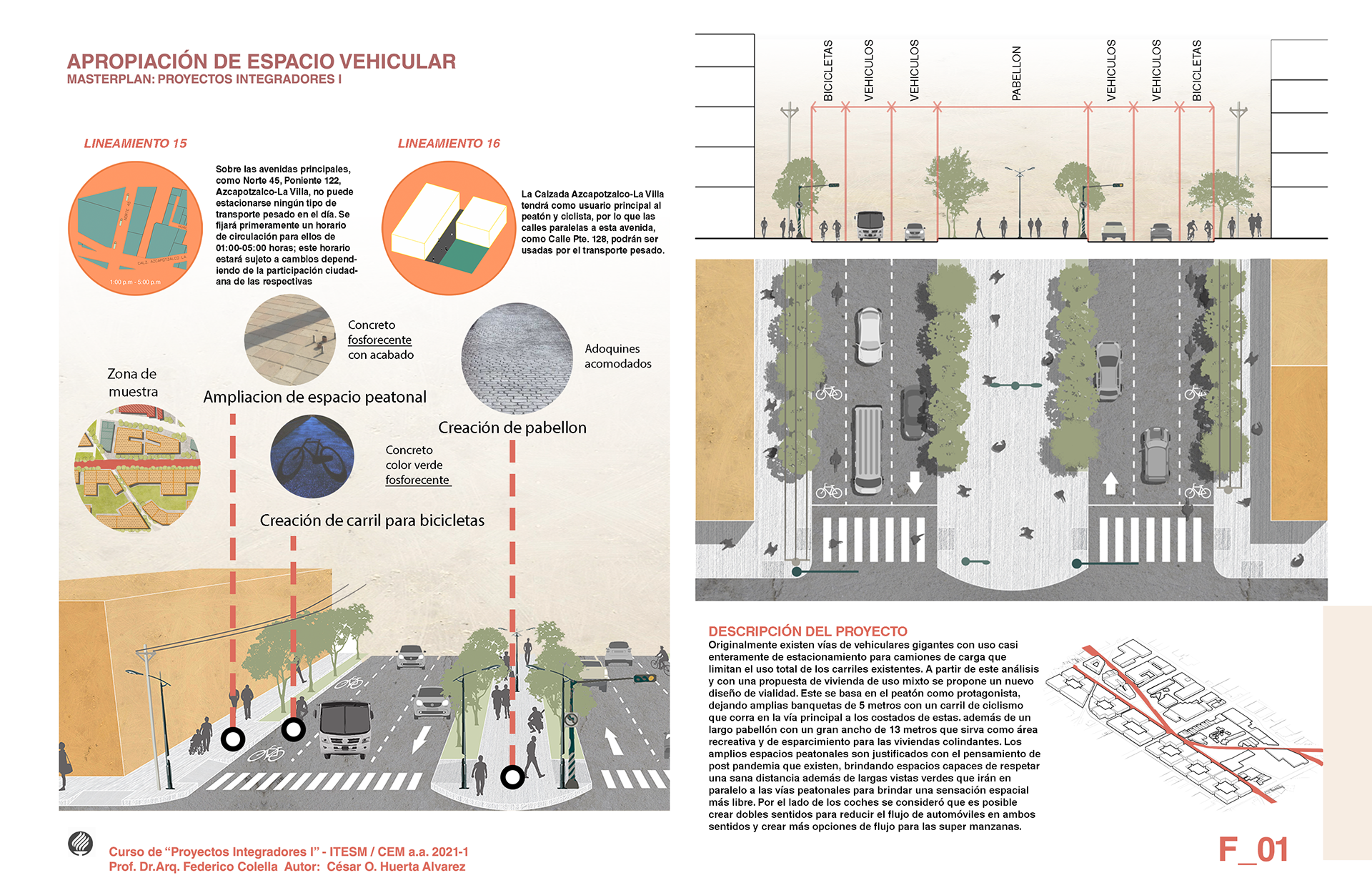
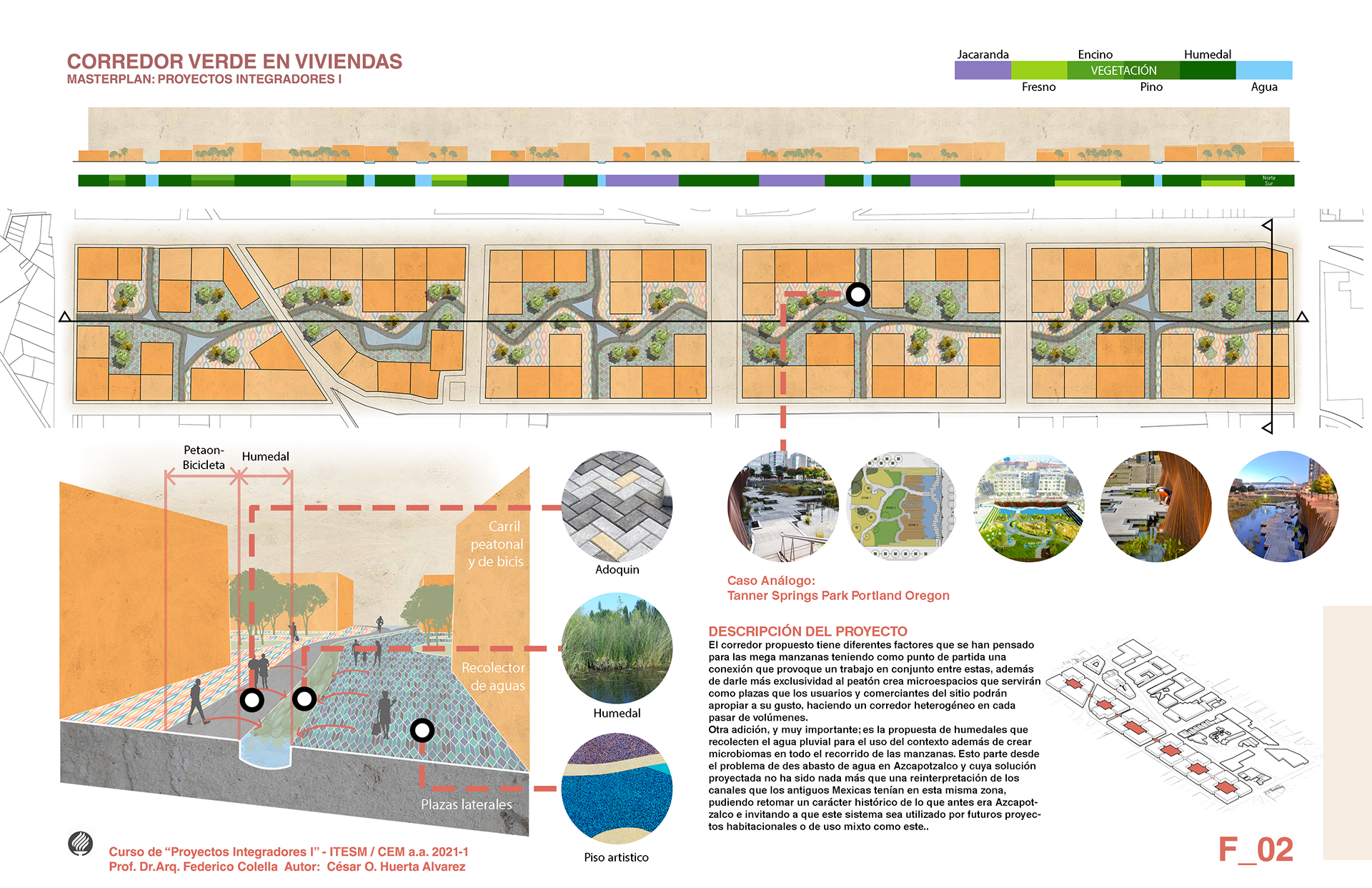
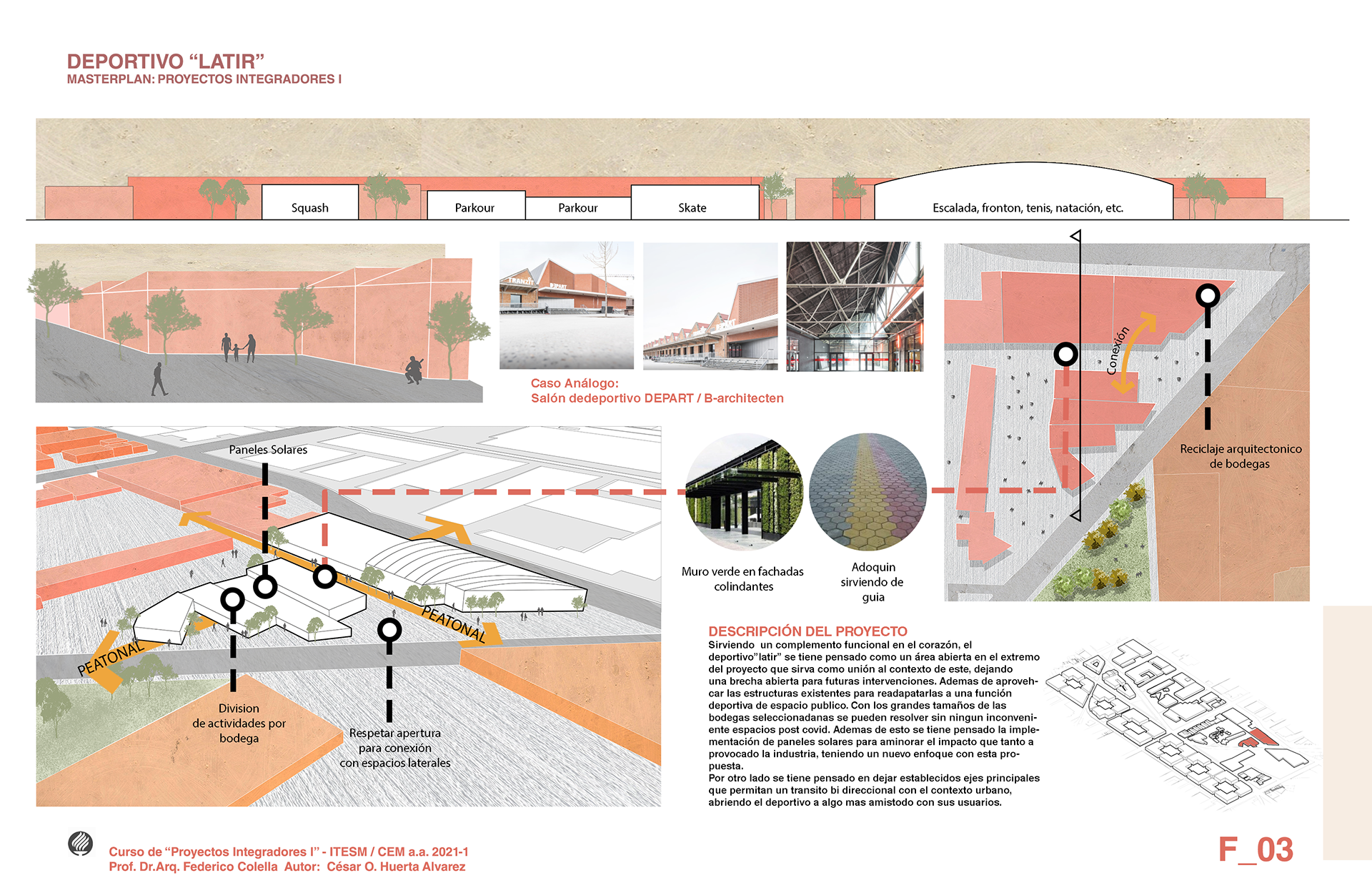
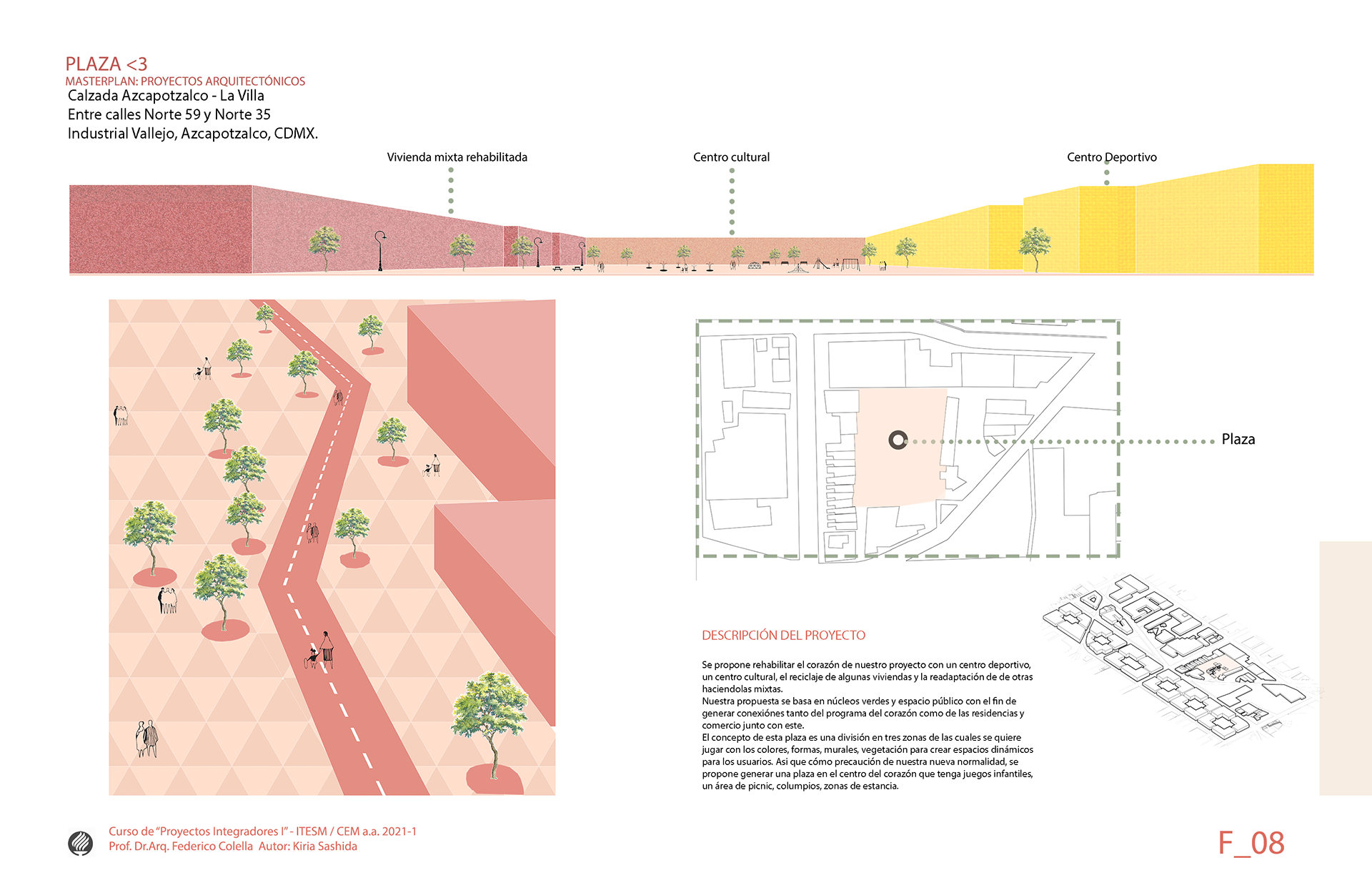
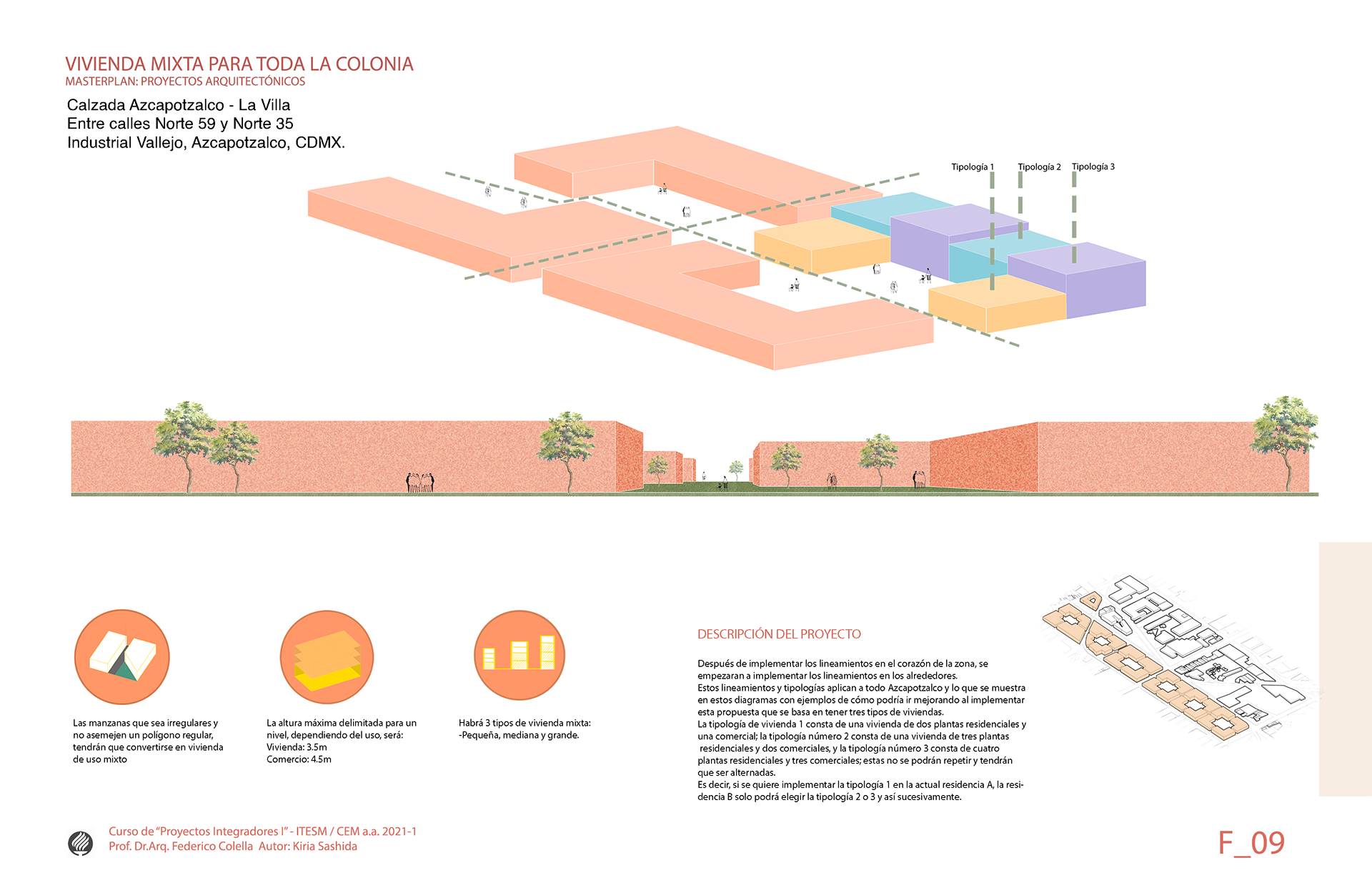
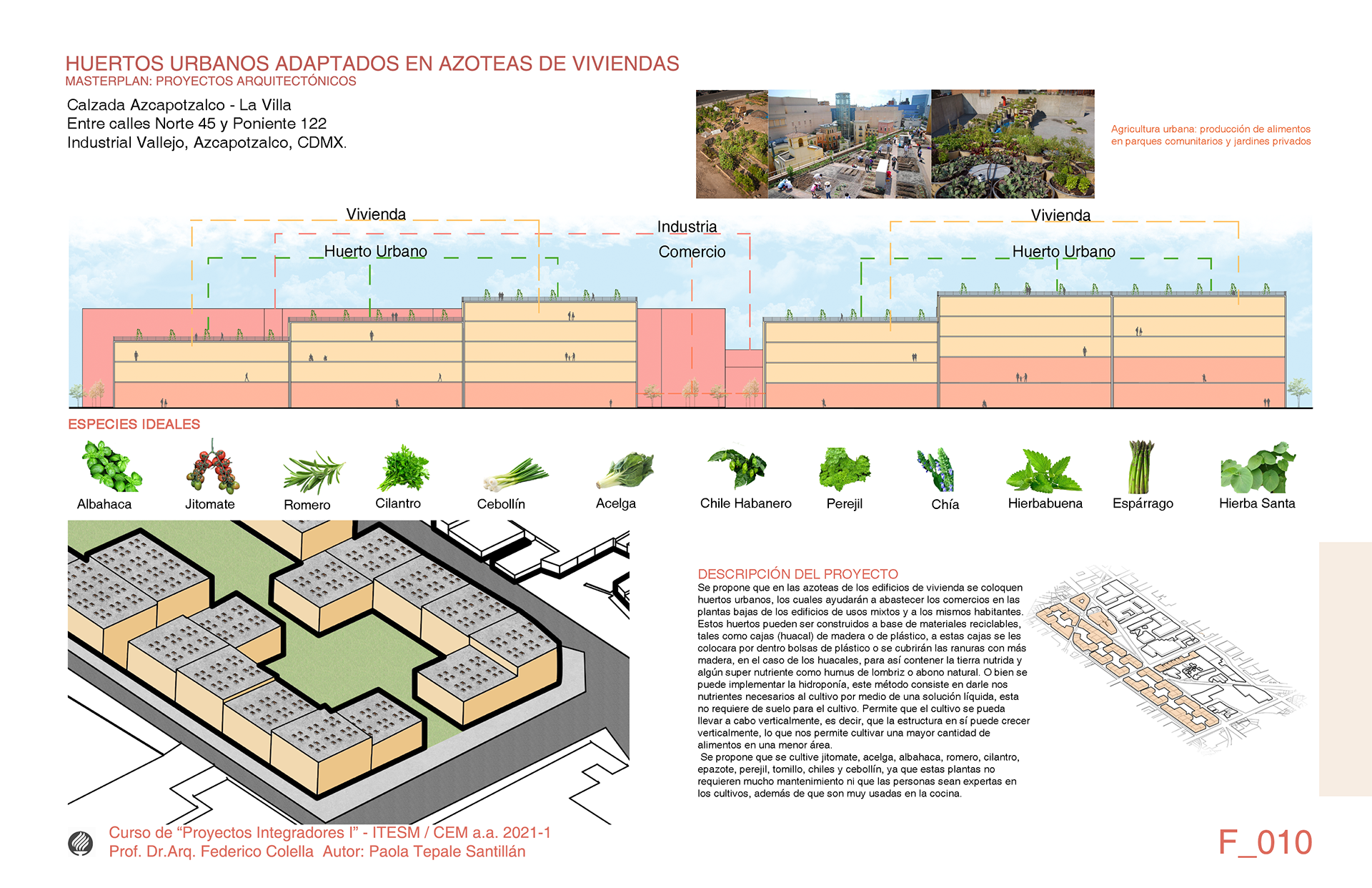
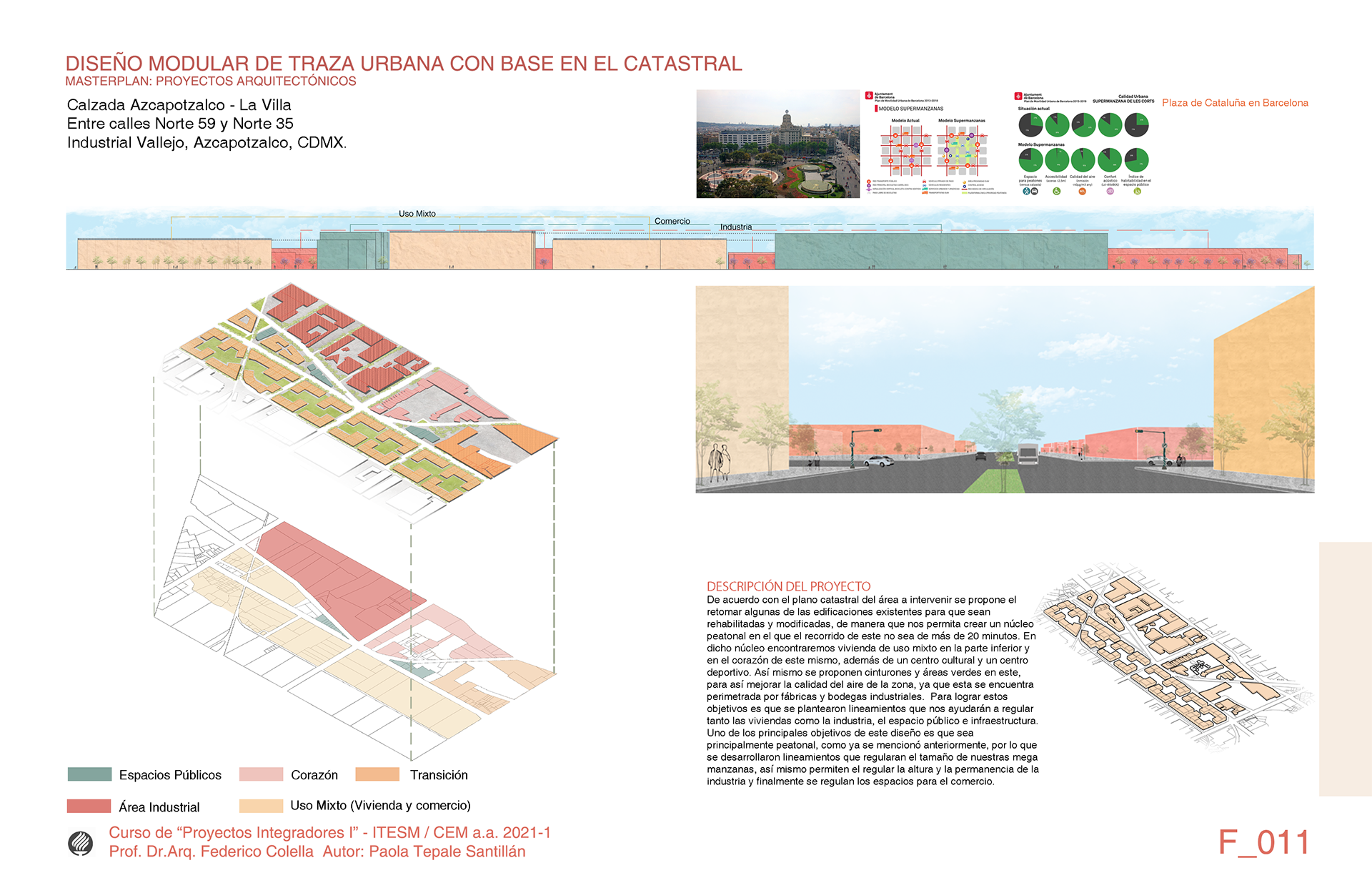
VALLEJO LIGHTHOUSE
CULTURAL CENTER
CULTURAL CENTER
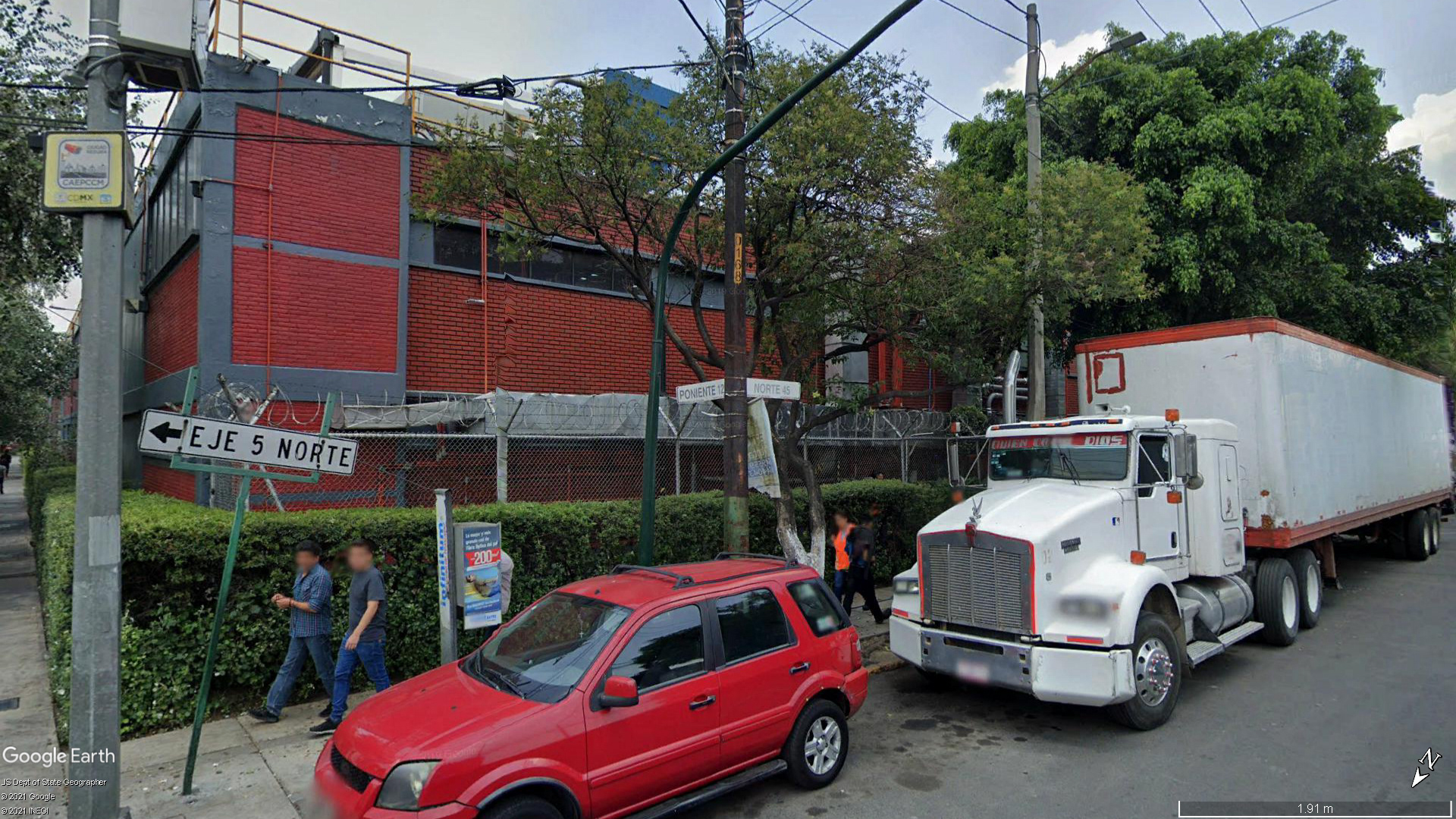
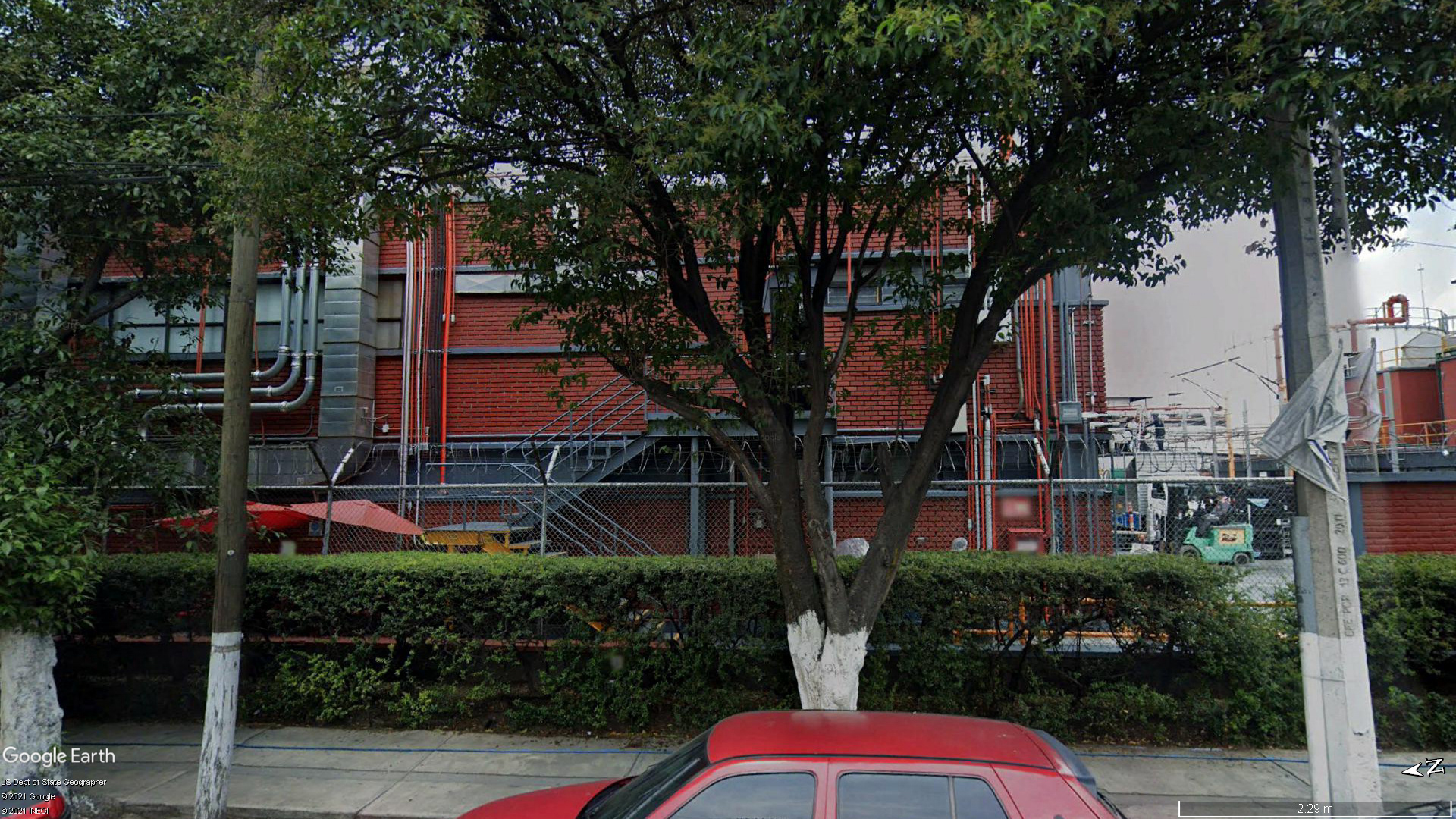
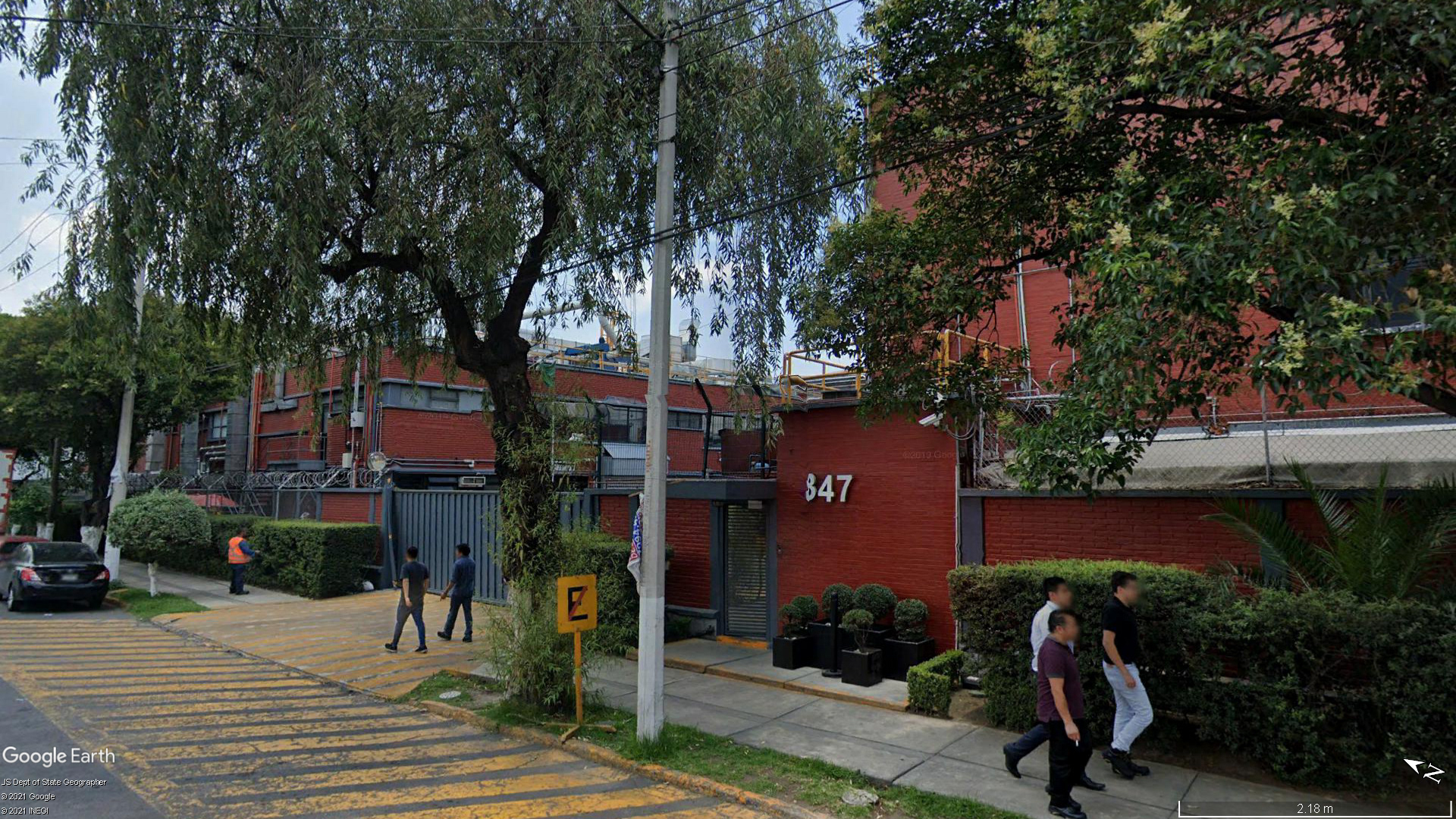
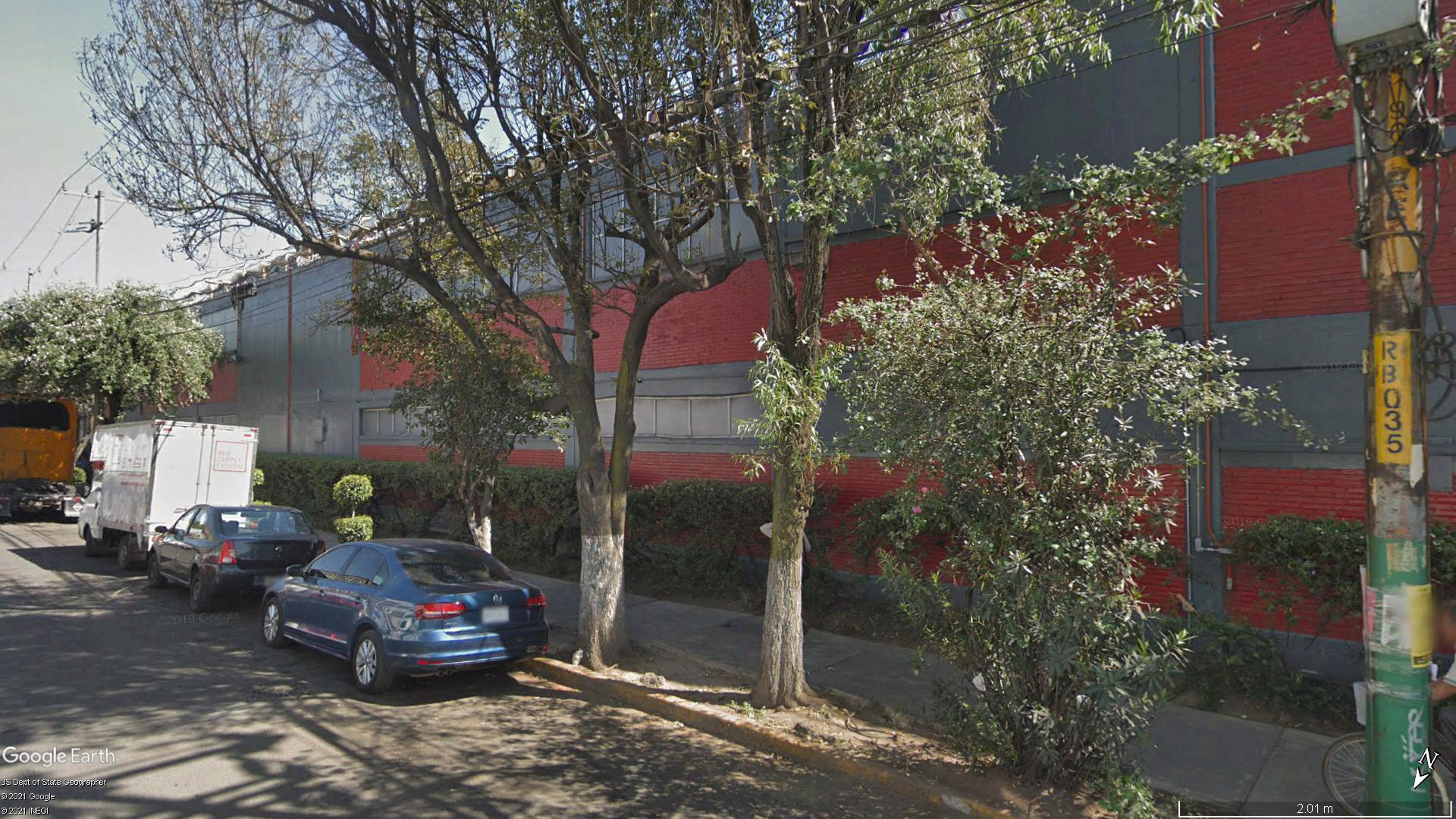
Existing Building
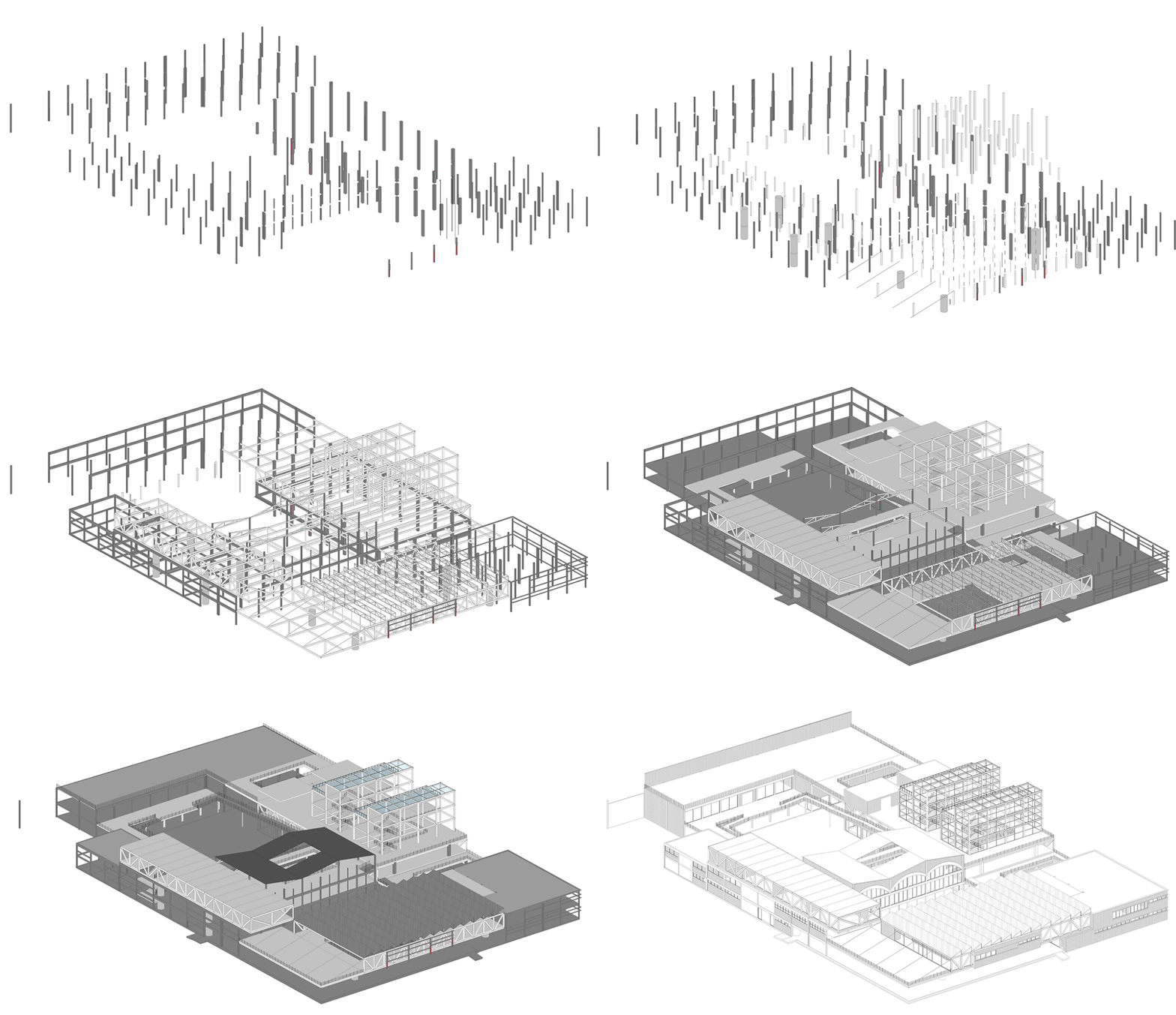
Structural Analysis
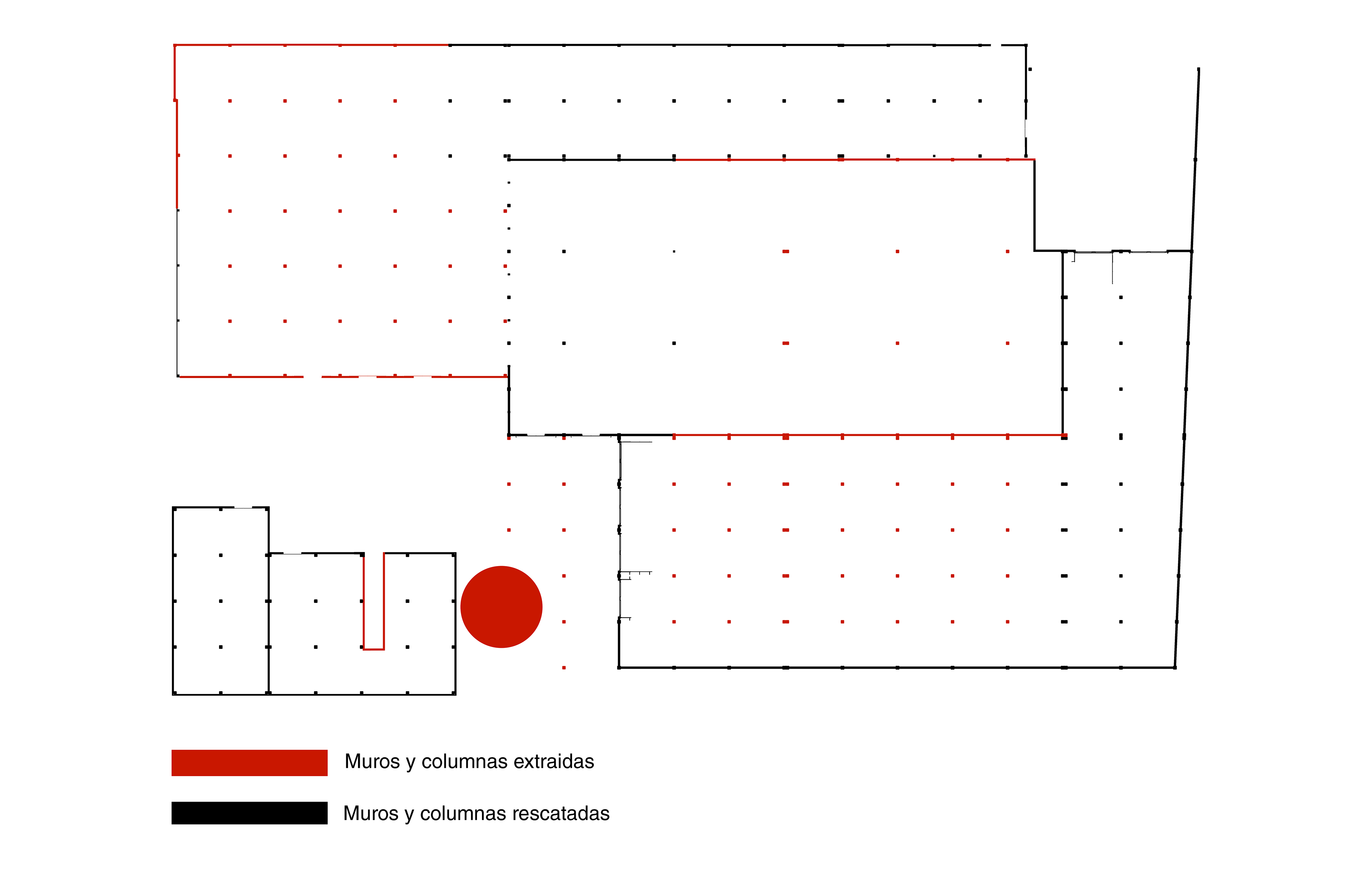
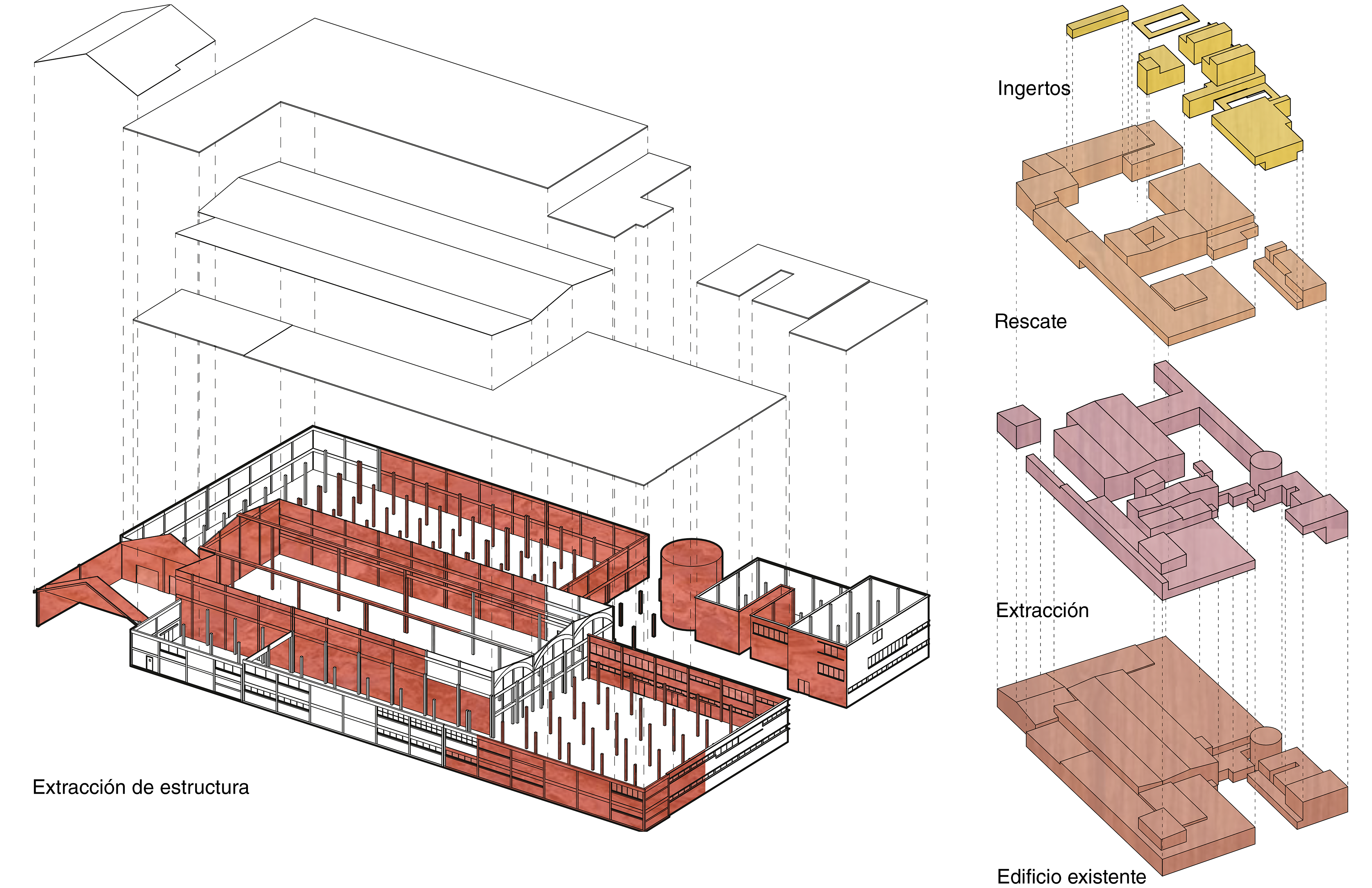
Satellite imagery and photographic references were used to identify the approximate location of columns, walls, structural bays, and façade openings within the existing complex. This analysis helped determine which elements could be preserved, modified, or removed.
Selective extractions were proposed to introduce courtyards, improve circulation, and bring natural light and ventilation into the interior spaces while maintaining the building’s industrial character.
Concept
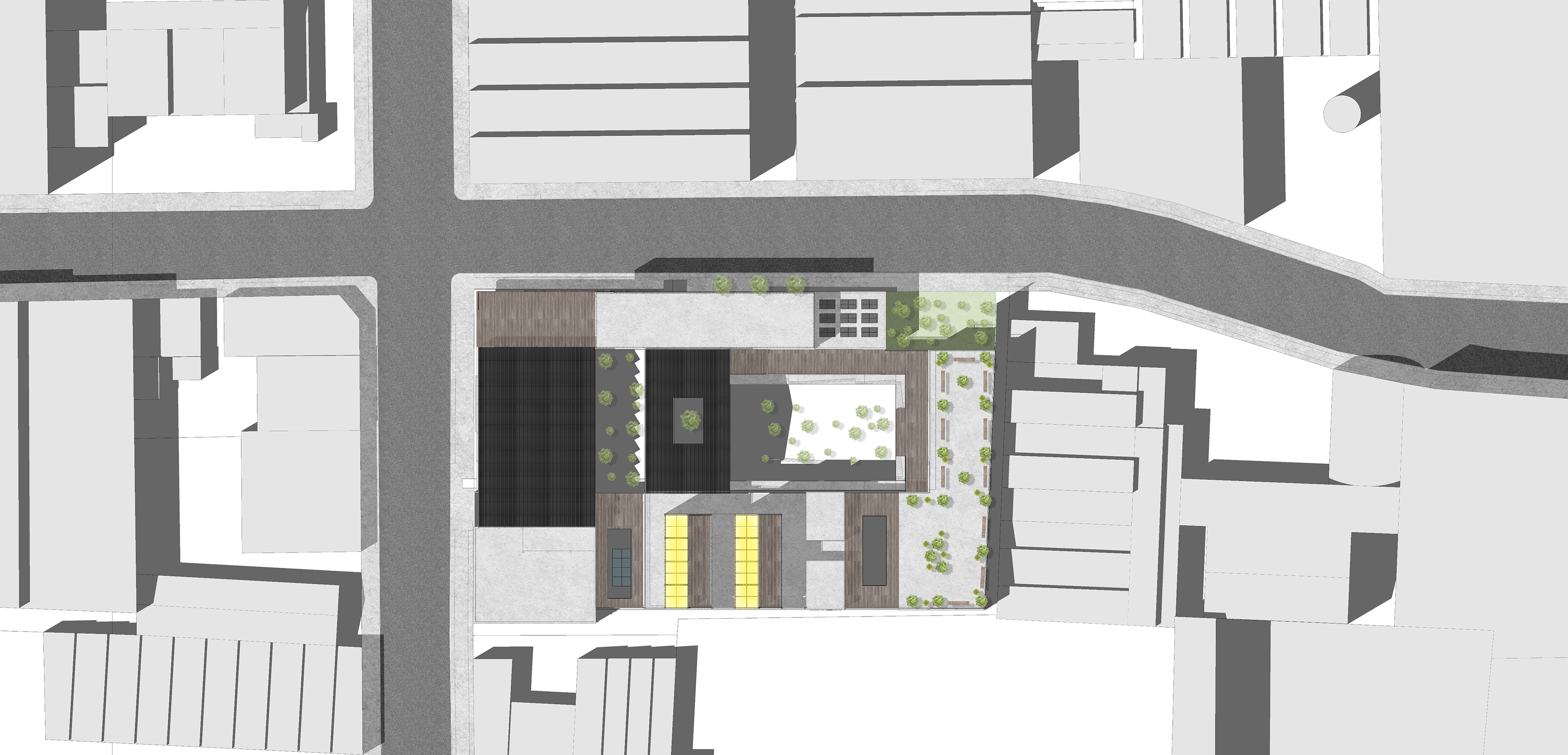
Master Plan
Sistema Estructural
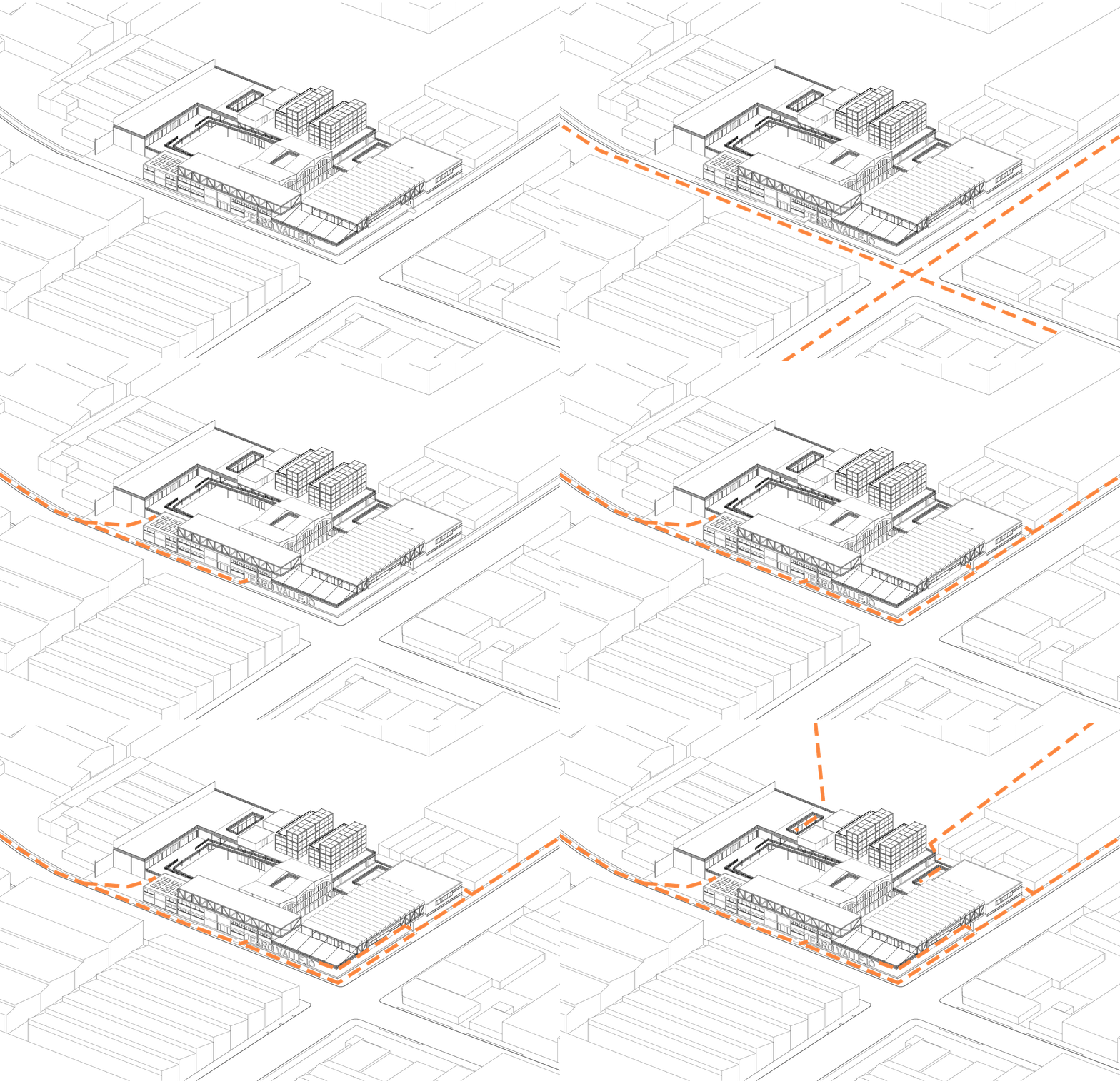
Vehicular and pedestrian traffic
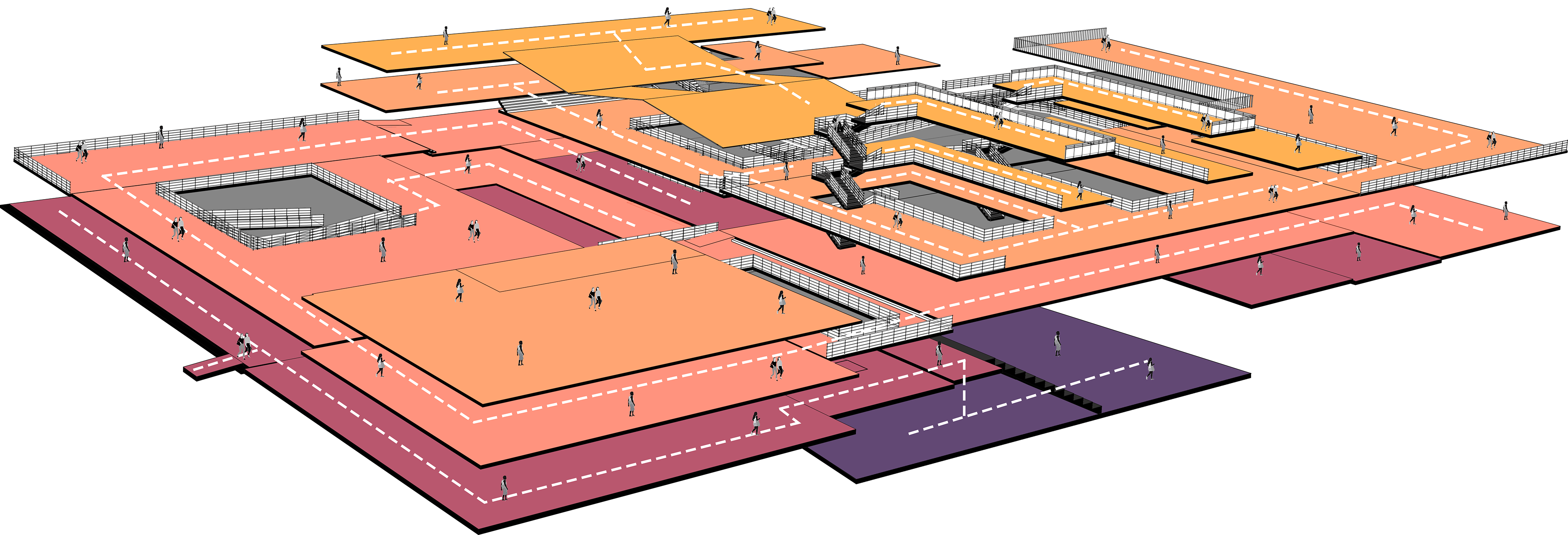
The project introduces several pedestrian and vehicular access points that connect the cultural center with the surrounding streets and transportation routes. Pedestrian movement is prioritized through internal walkways, courtyards, and public passages that link the main areas of the complex.
Vehicular and service circulation is organized separately to reduce conflicts and improve accessibility throughout the site.
Bioclimatic diagram
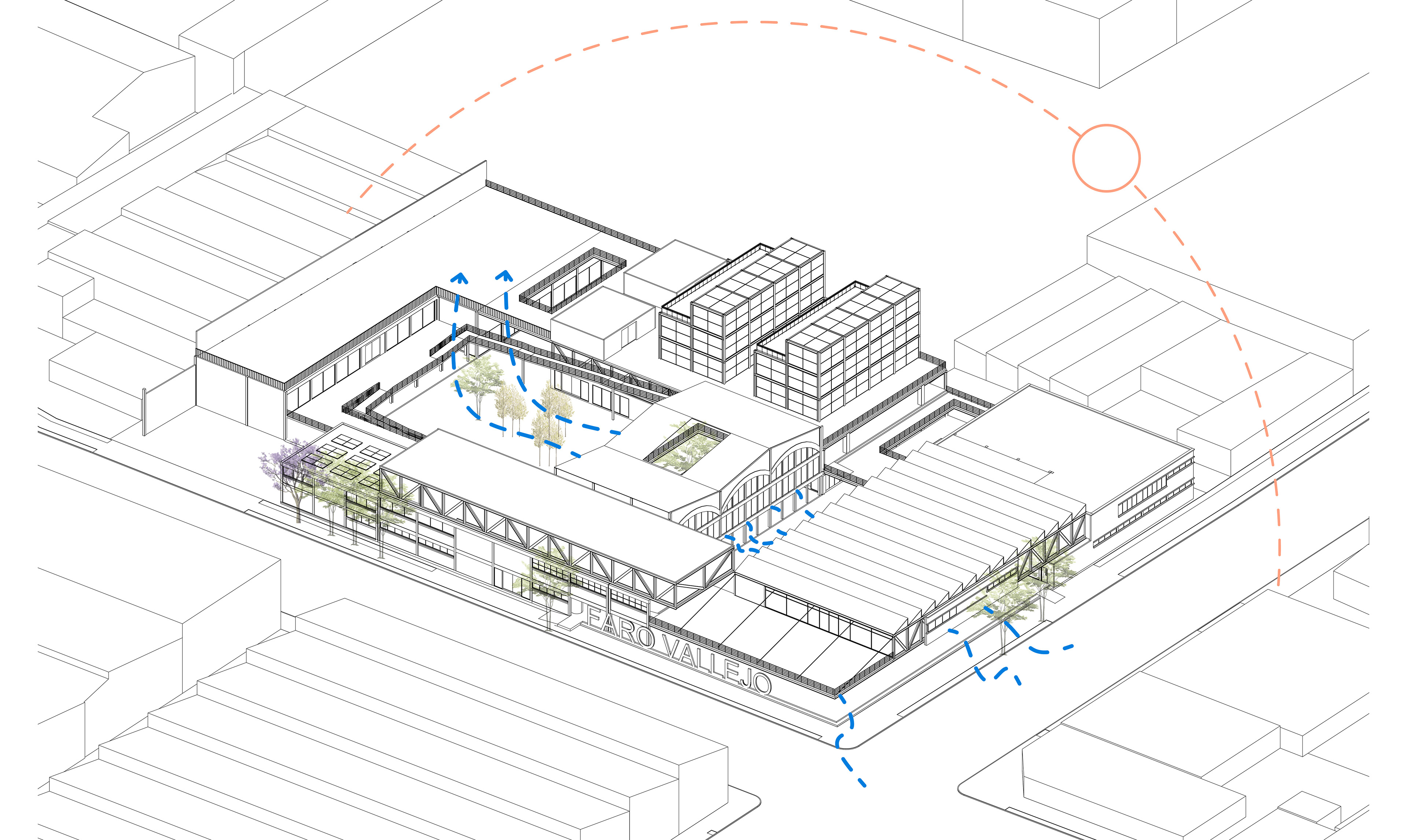
Circulation diagram
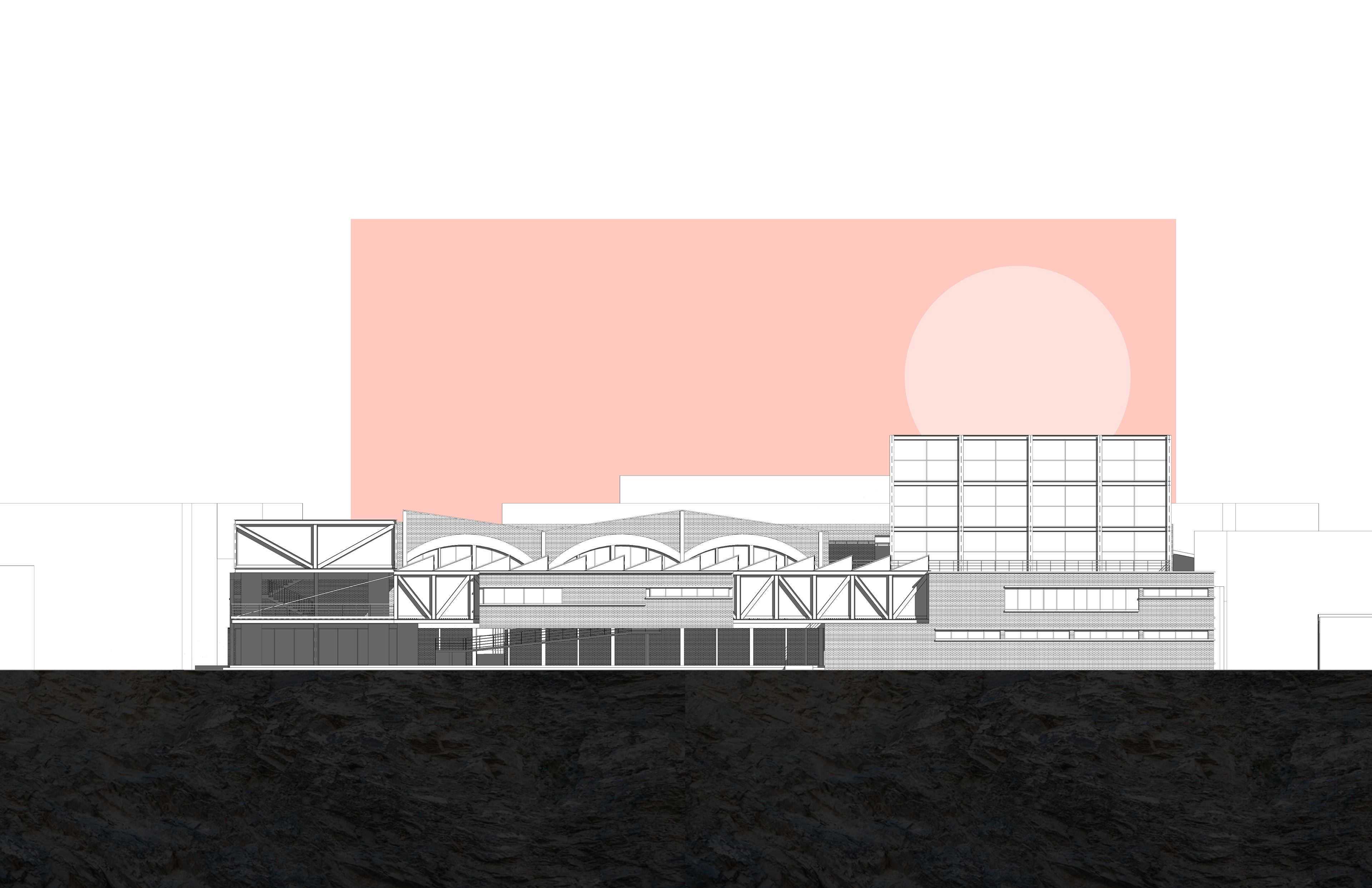
Main North Facade

West façade restored
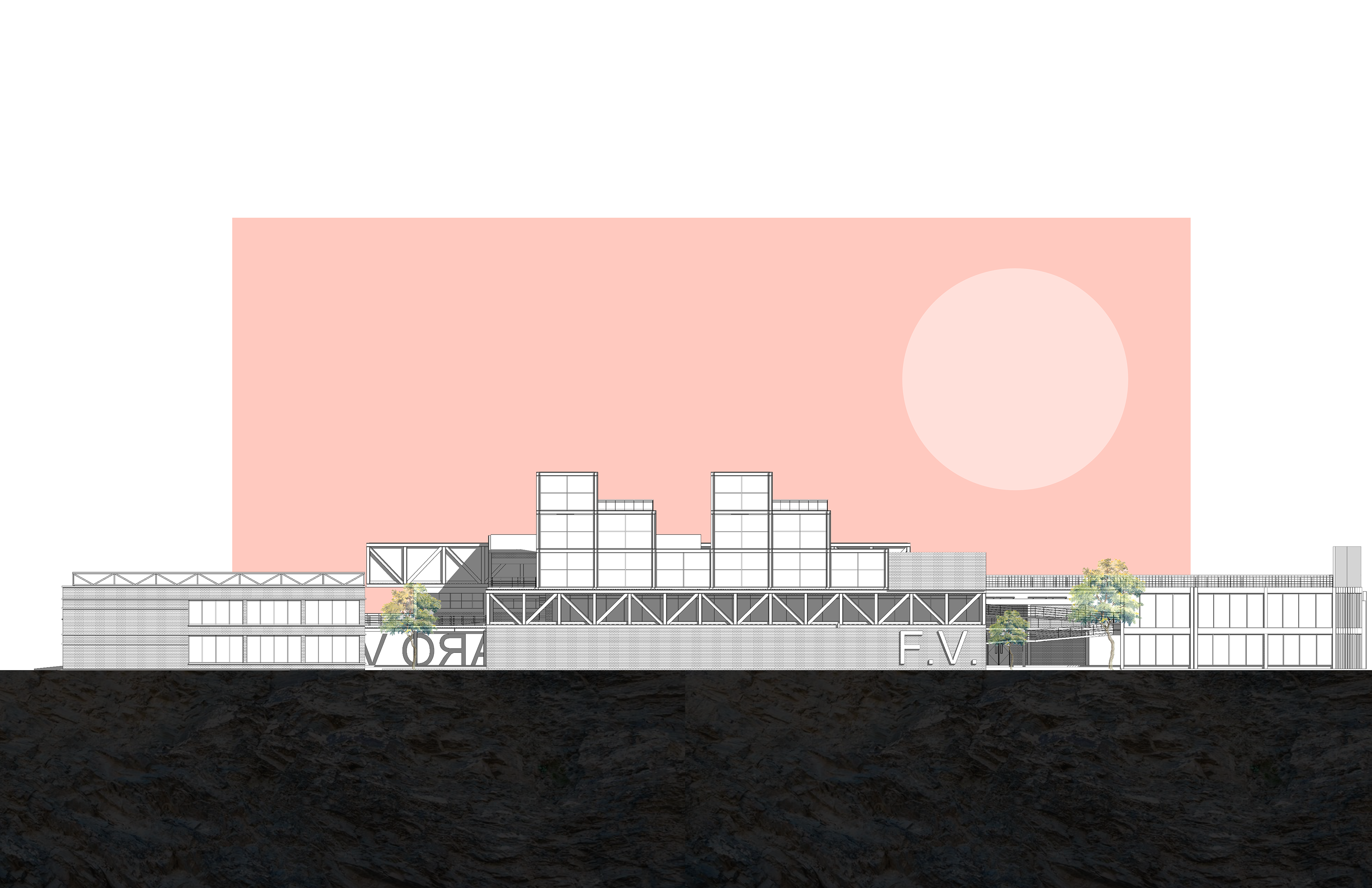
South Rear Facade (plaza)
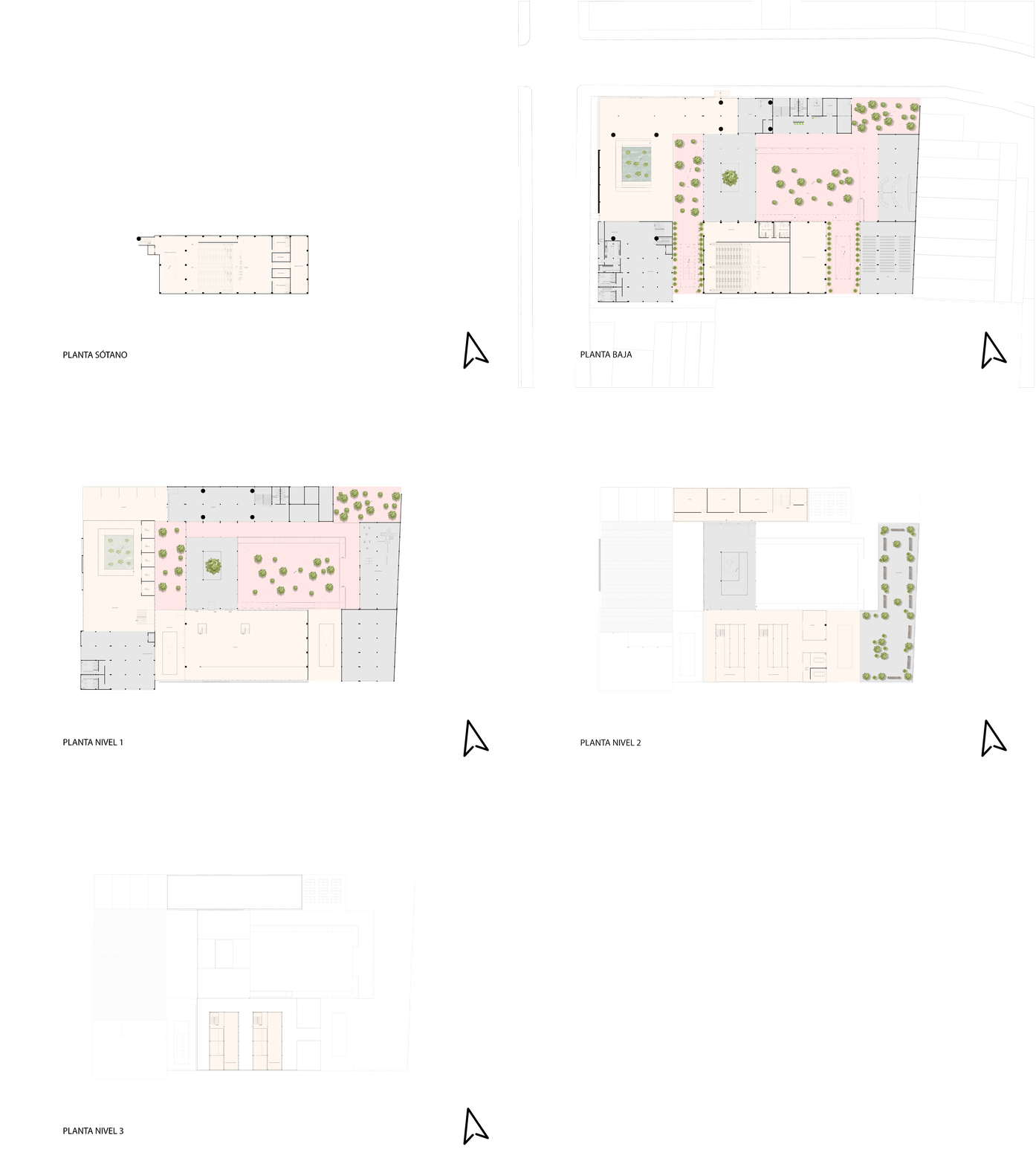
Plans
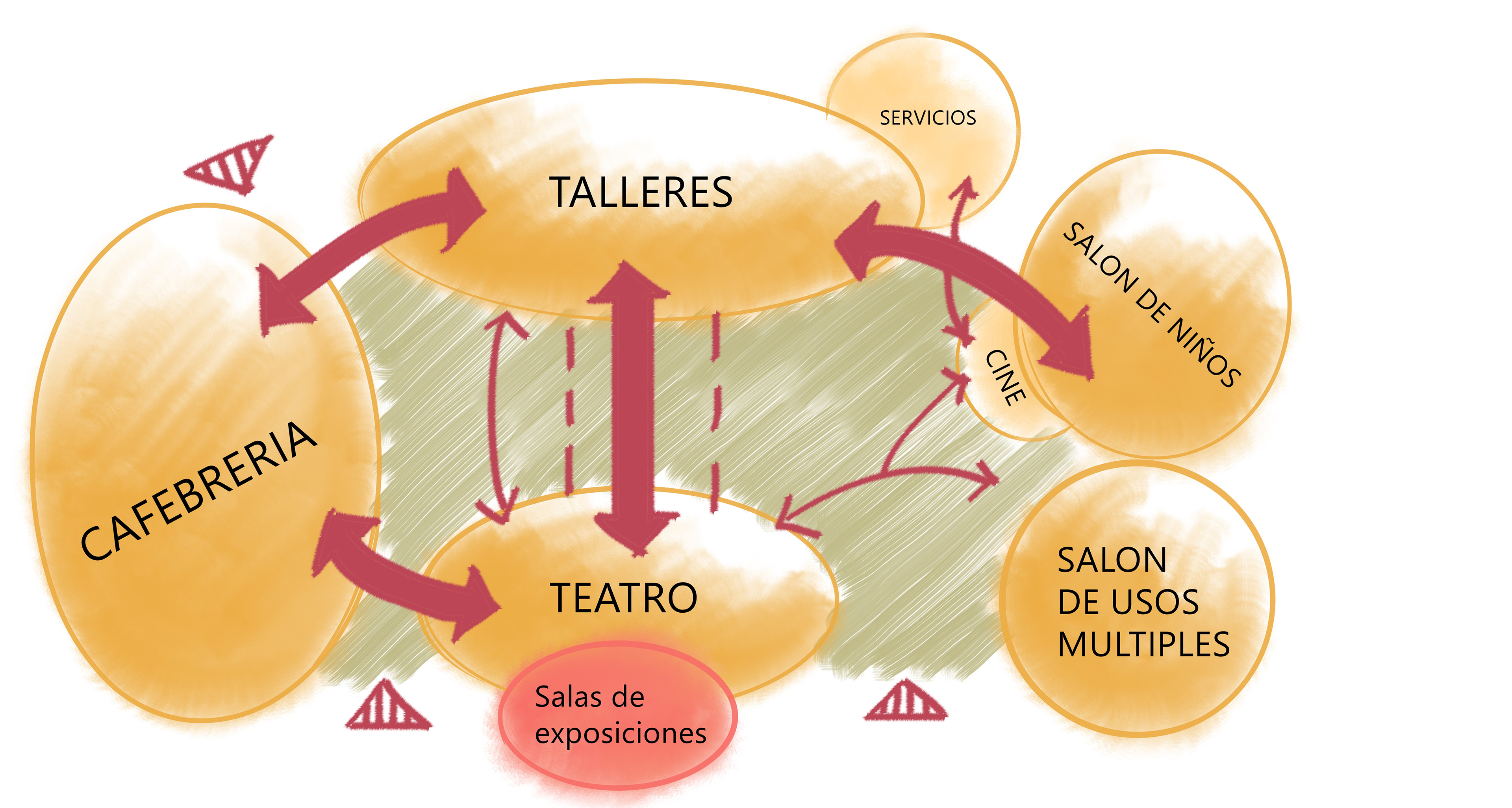
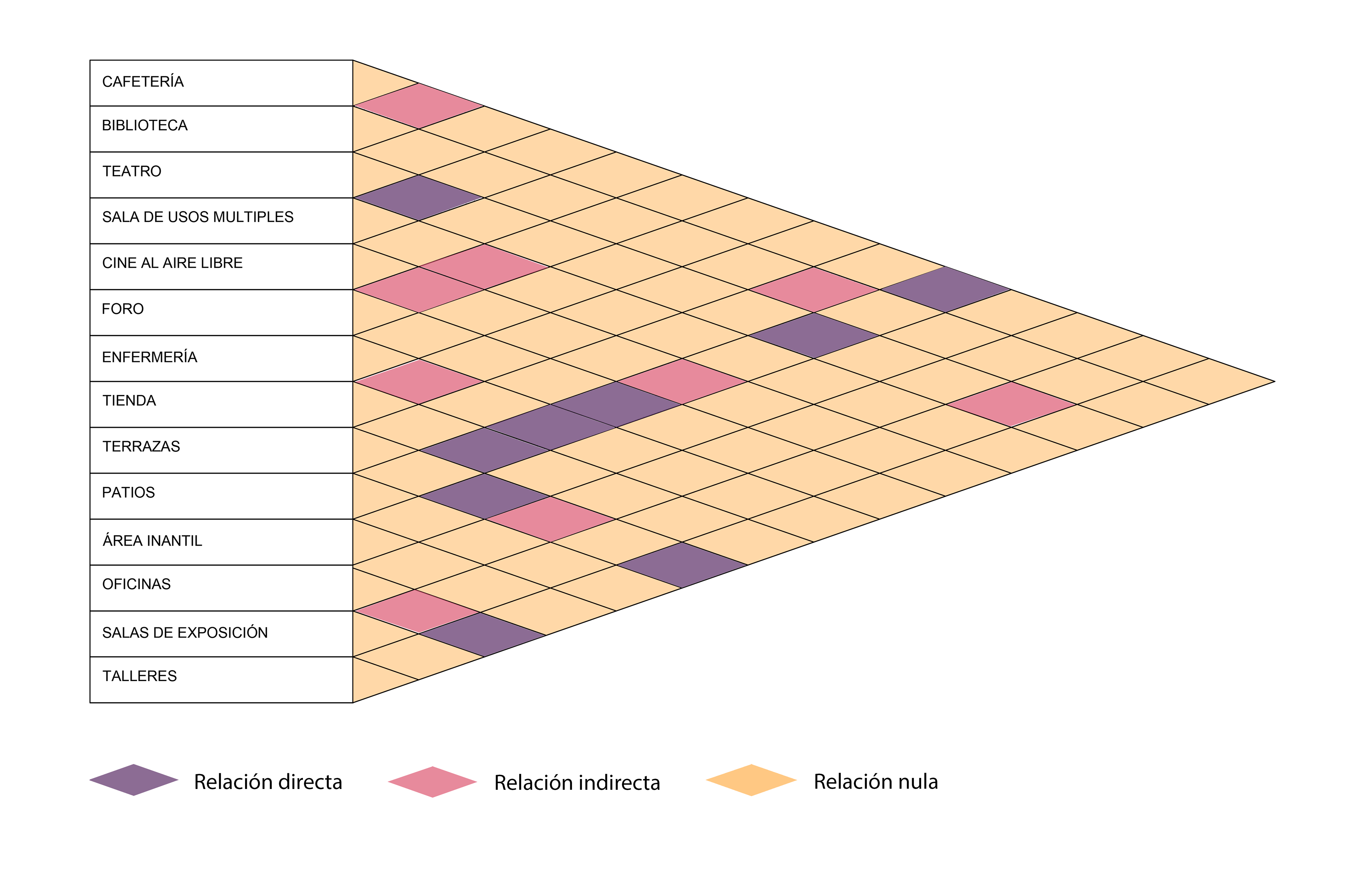
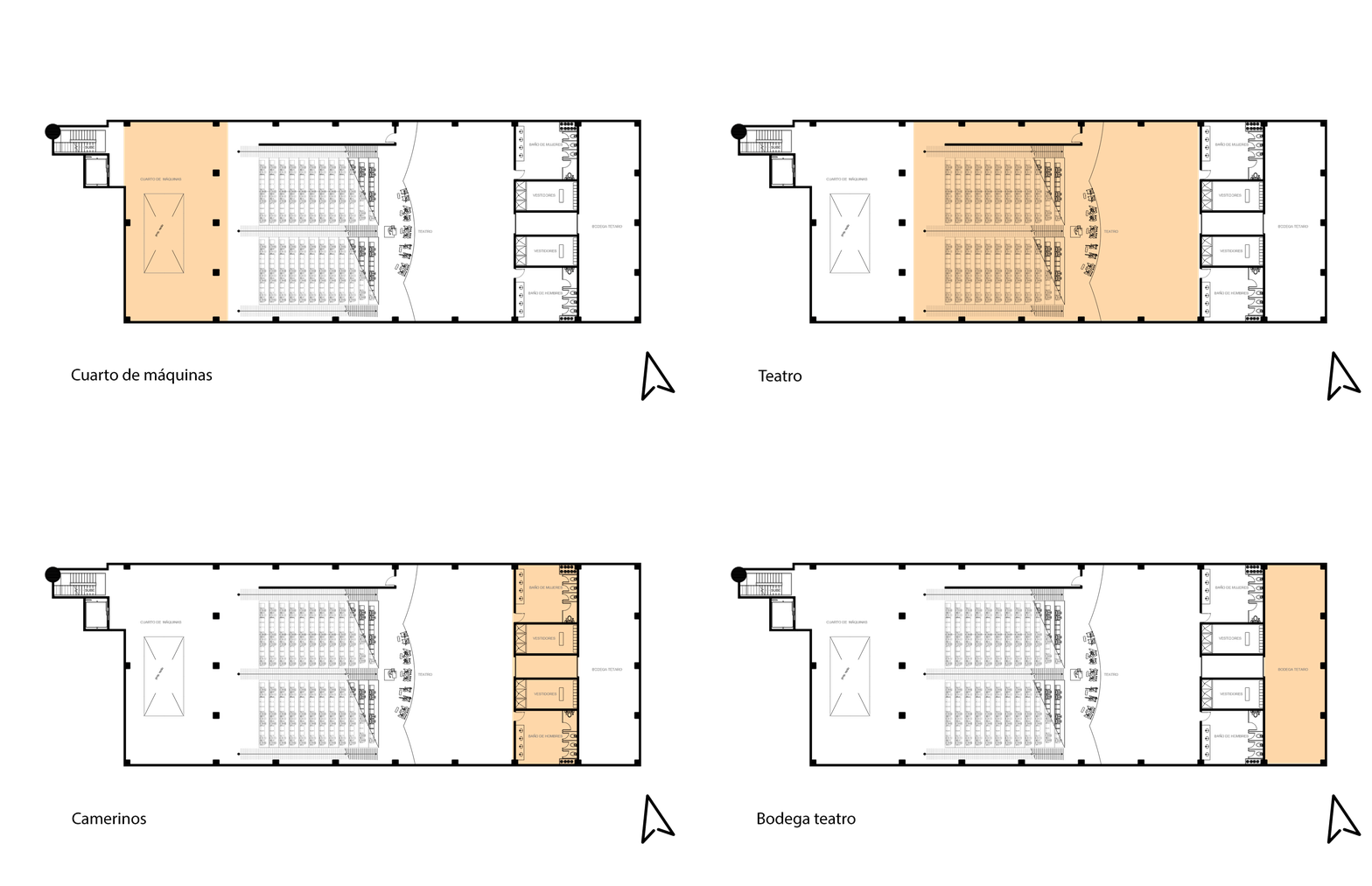
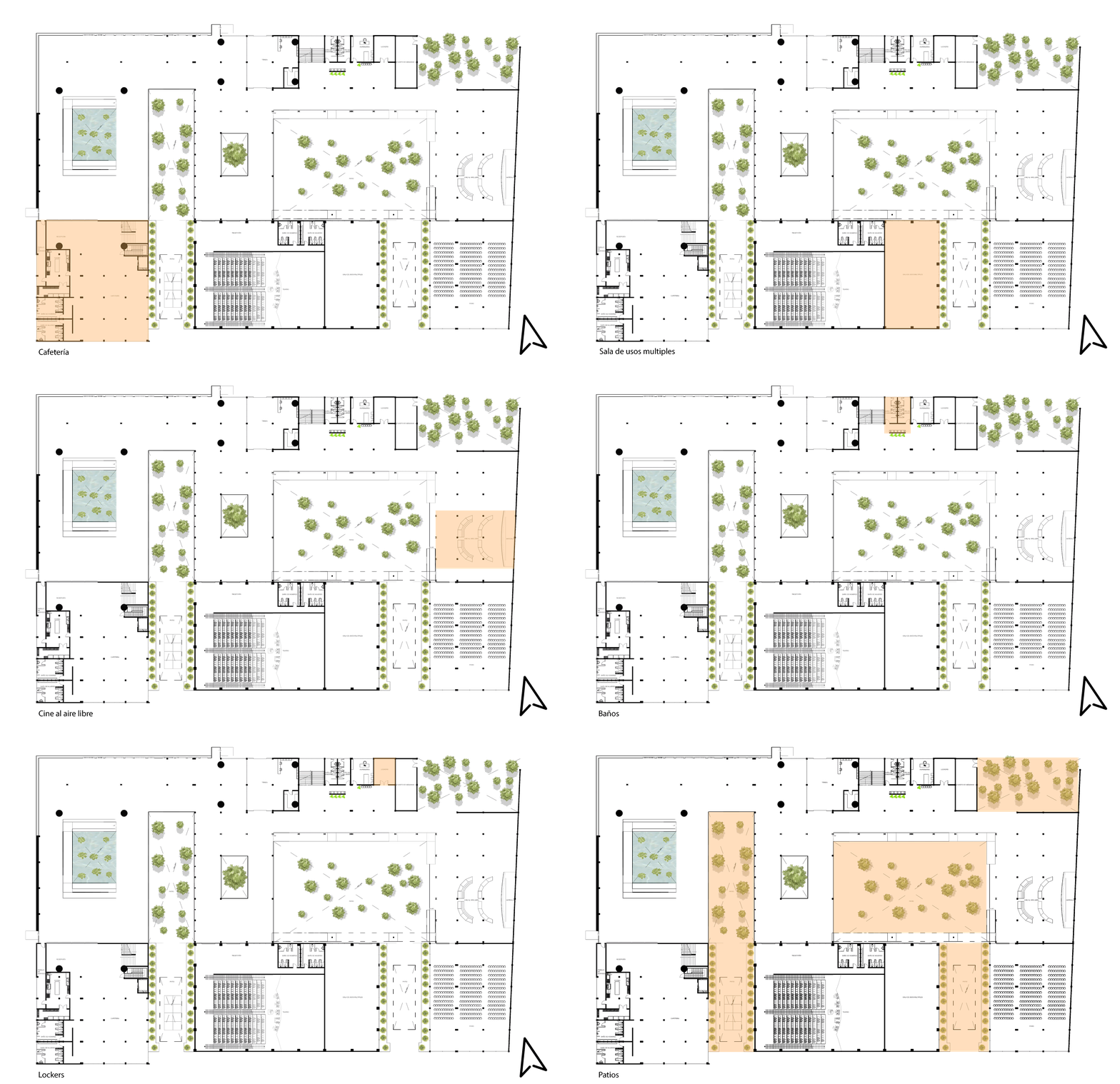
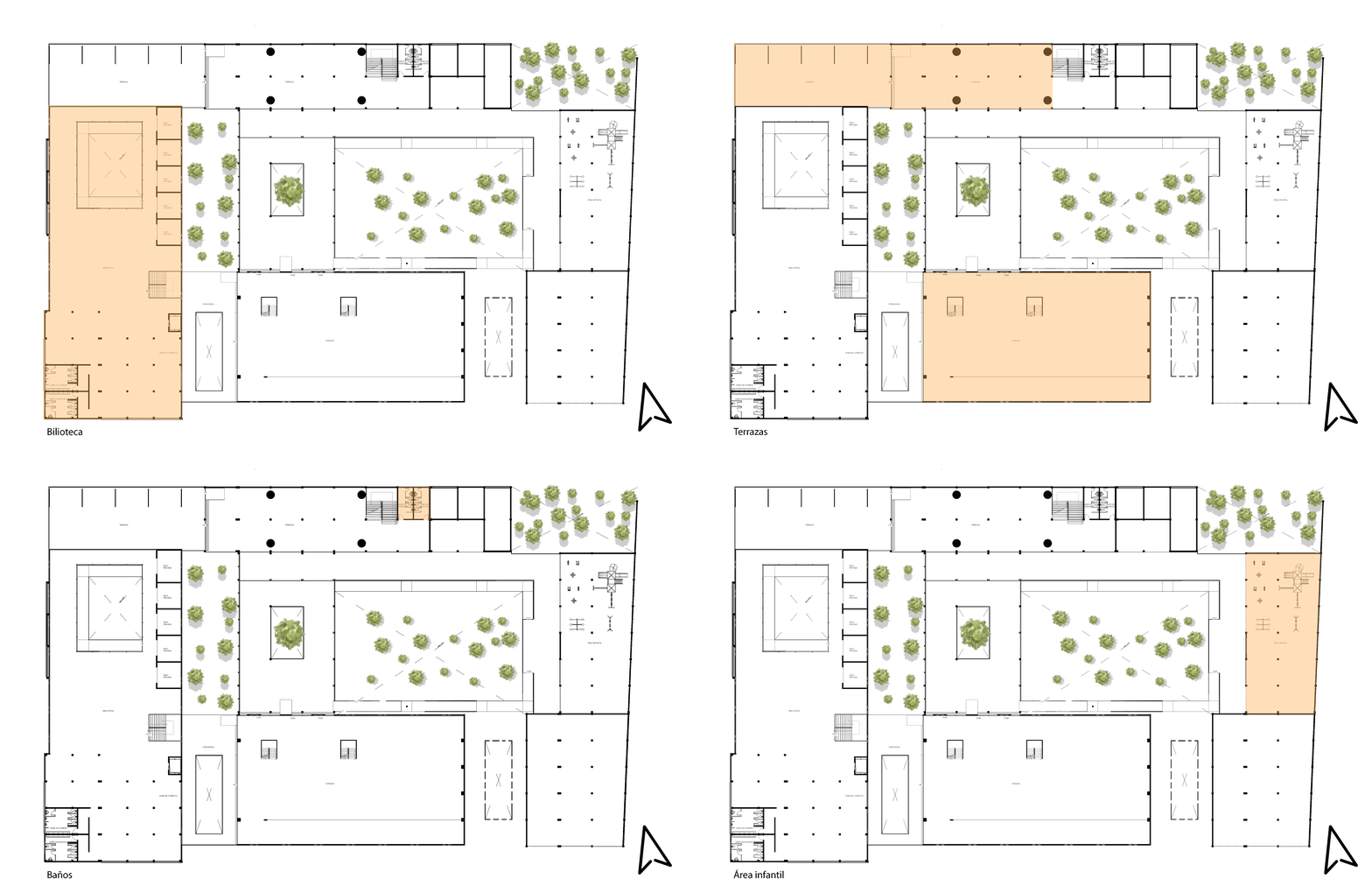
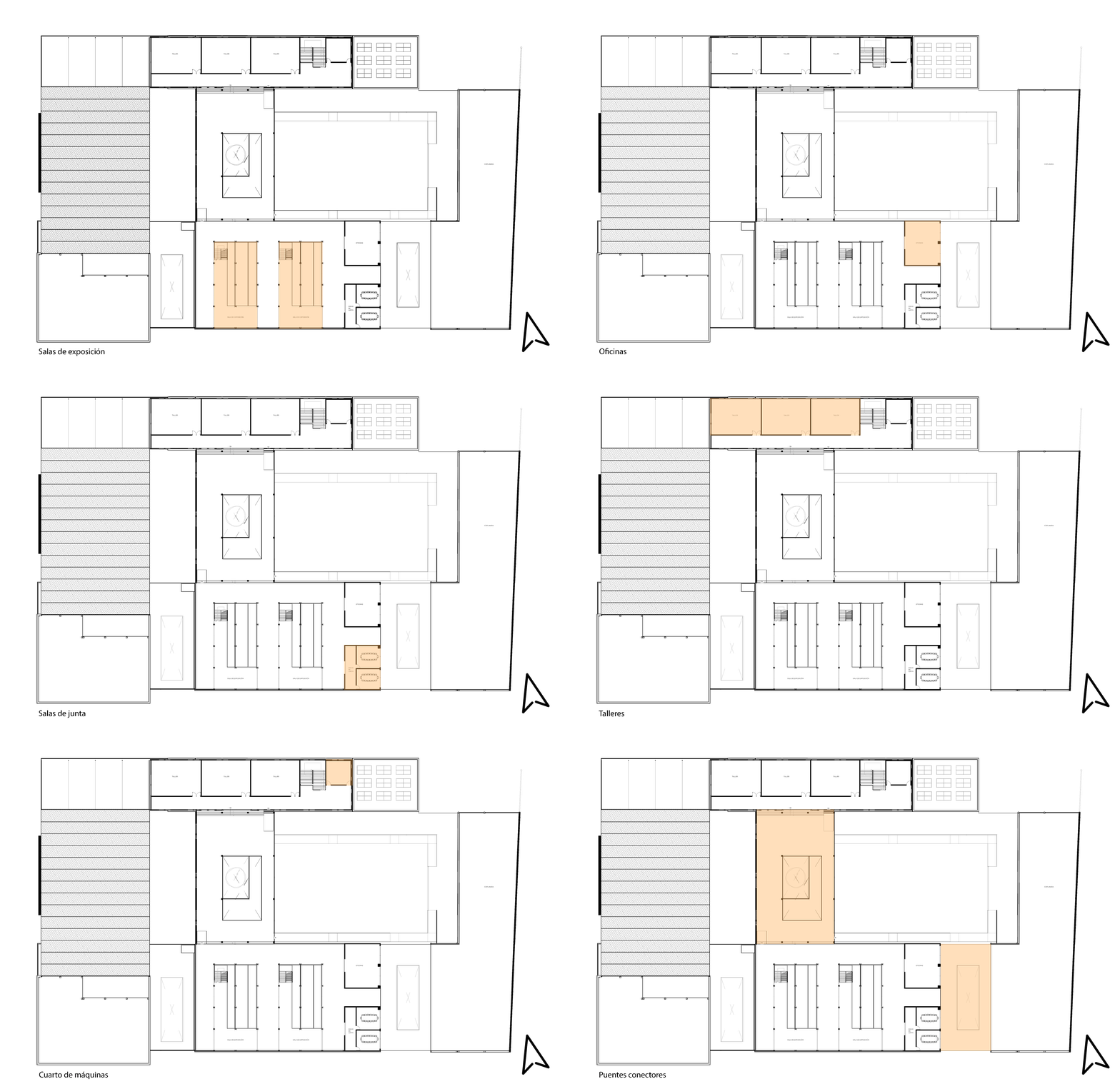
This project is developed around 5 main spaces, which are: the theater, the library, cafeteria, workshops and exhibition hall.
The areas are shown through a colorimetry of red being the extraction of space, gray the rescue of structure and slab, and yellow being the new grafts of the project.
The areas are shown through a colorimetry of red being the extraction of space, gray the rescue of structure and slab, and yellow being the new grafts of the project.
Sections
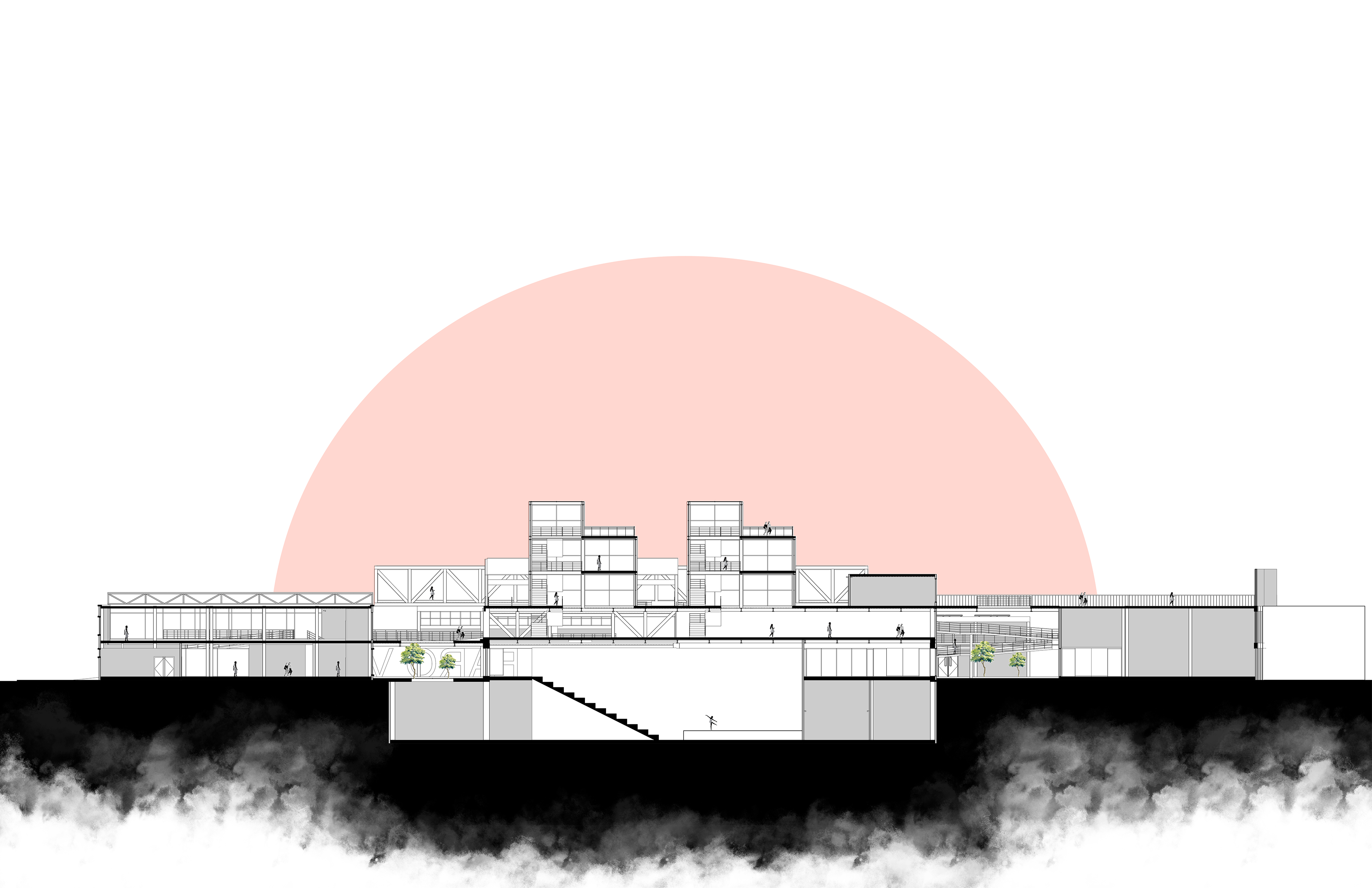
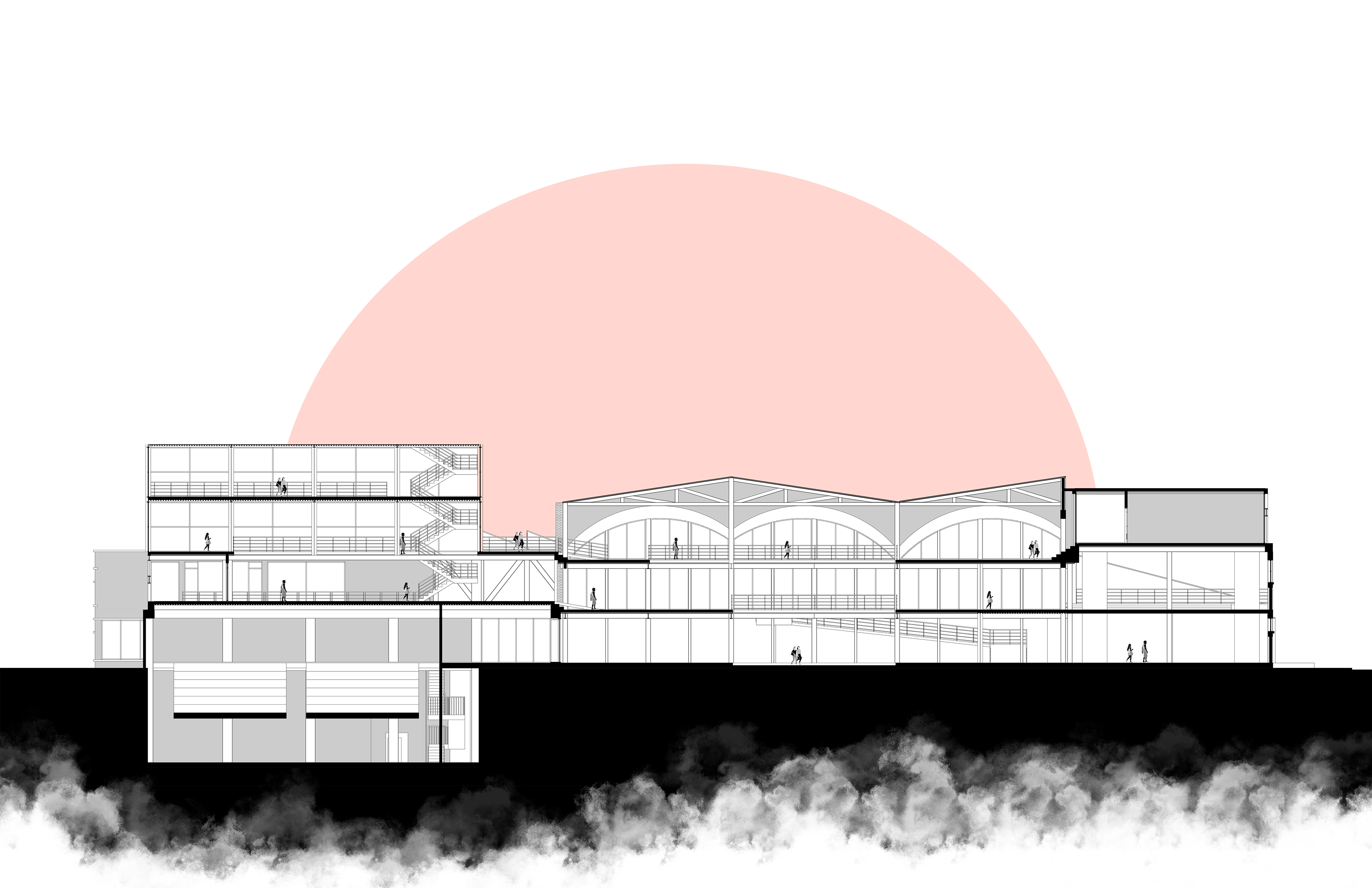
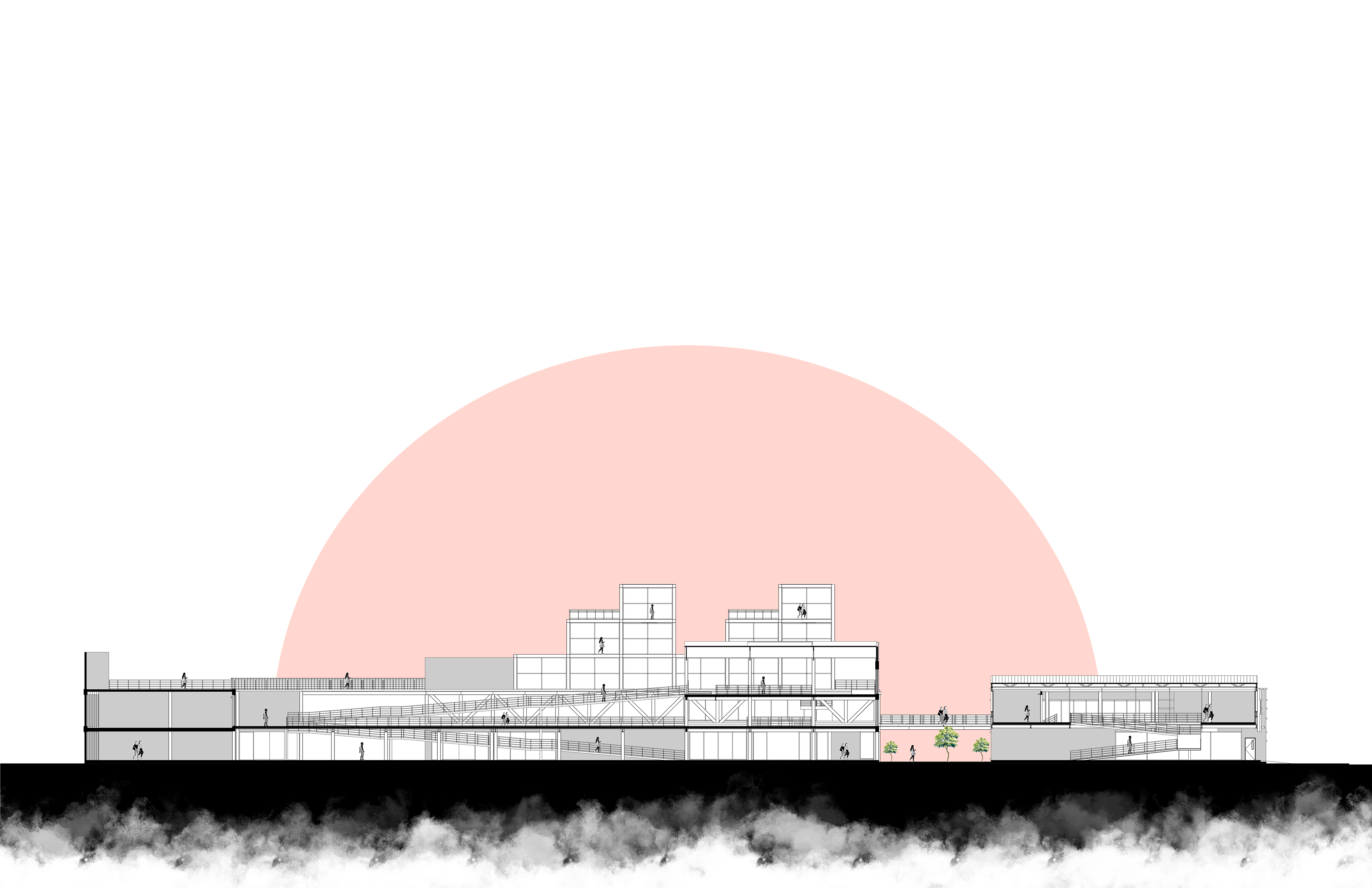

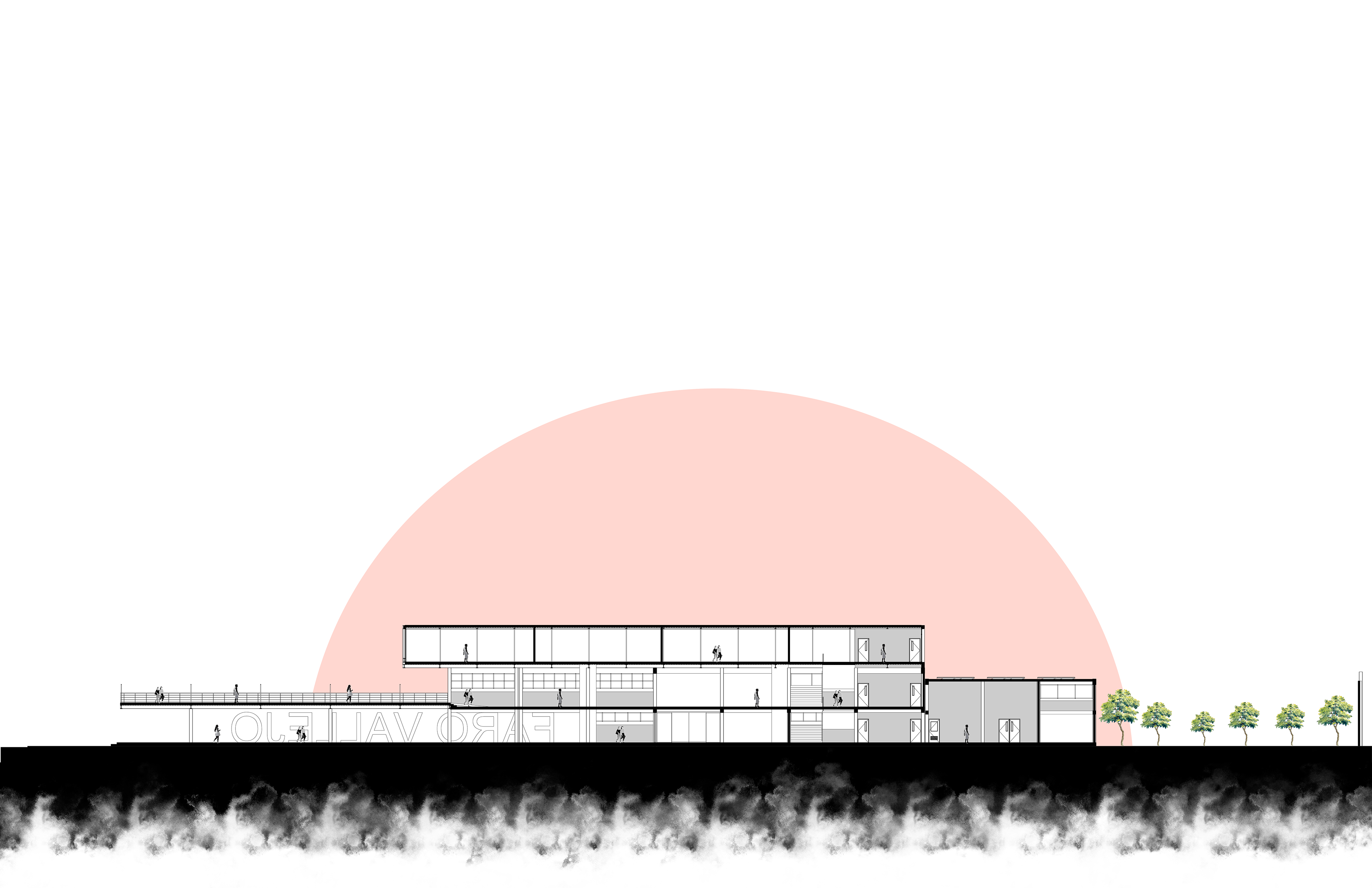

This project views
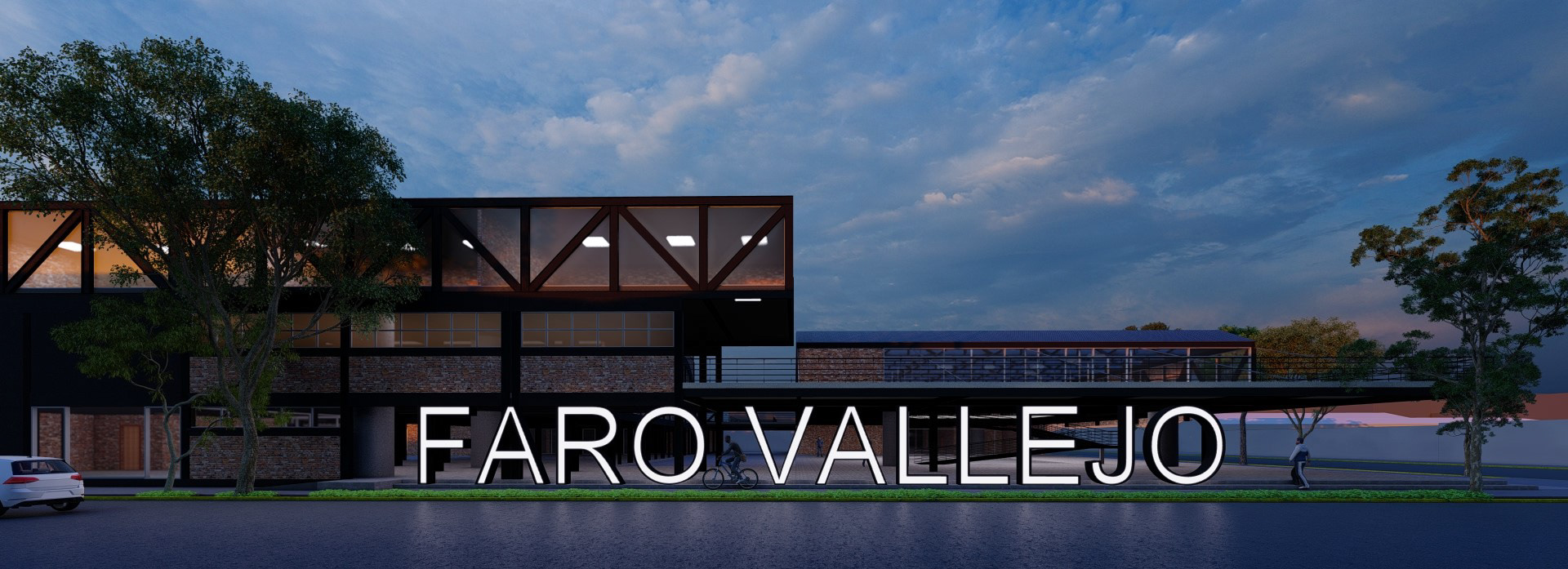
North facade in the afternoon
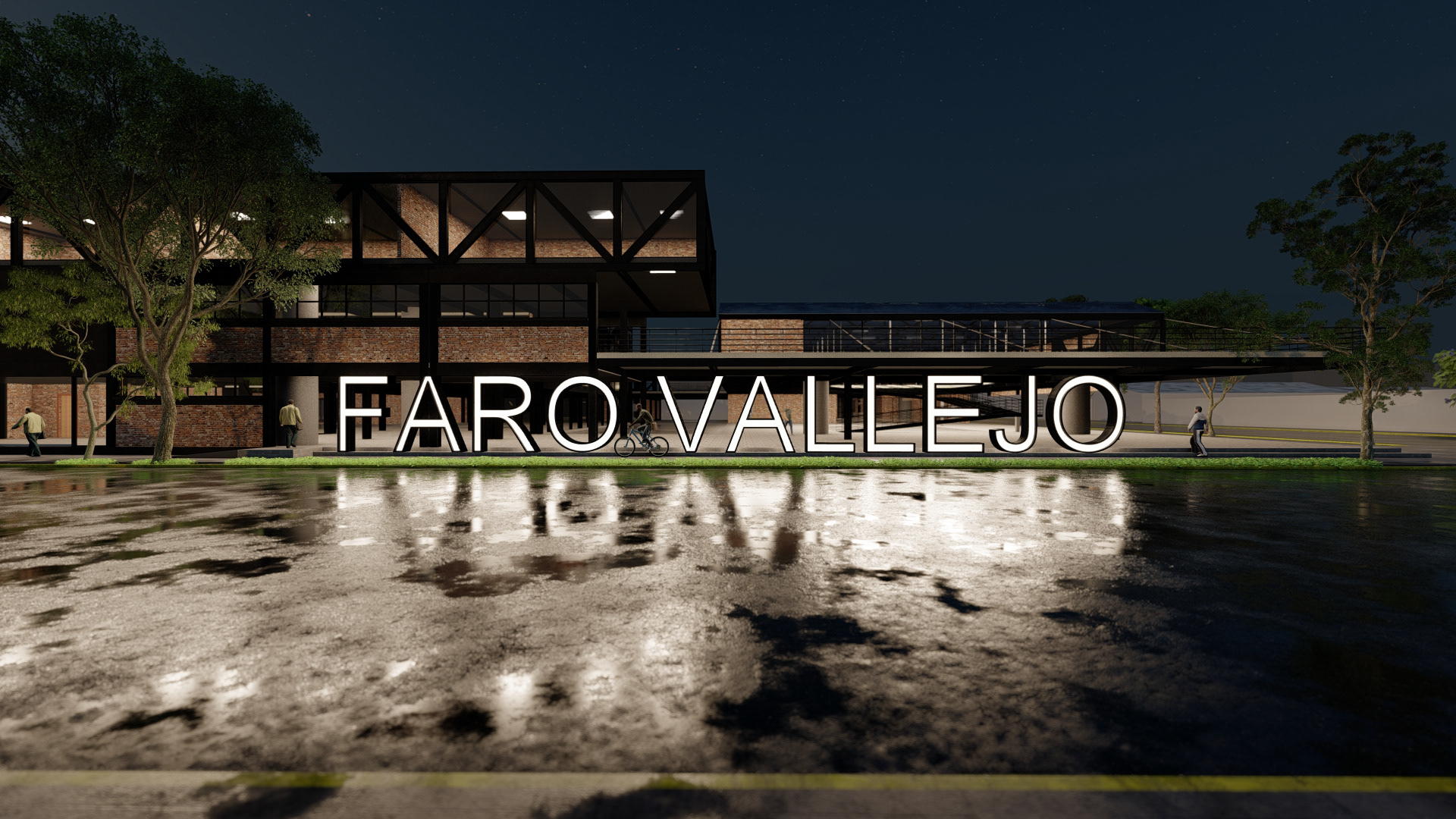
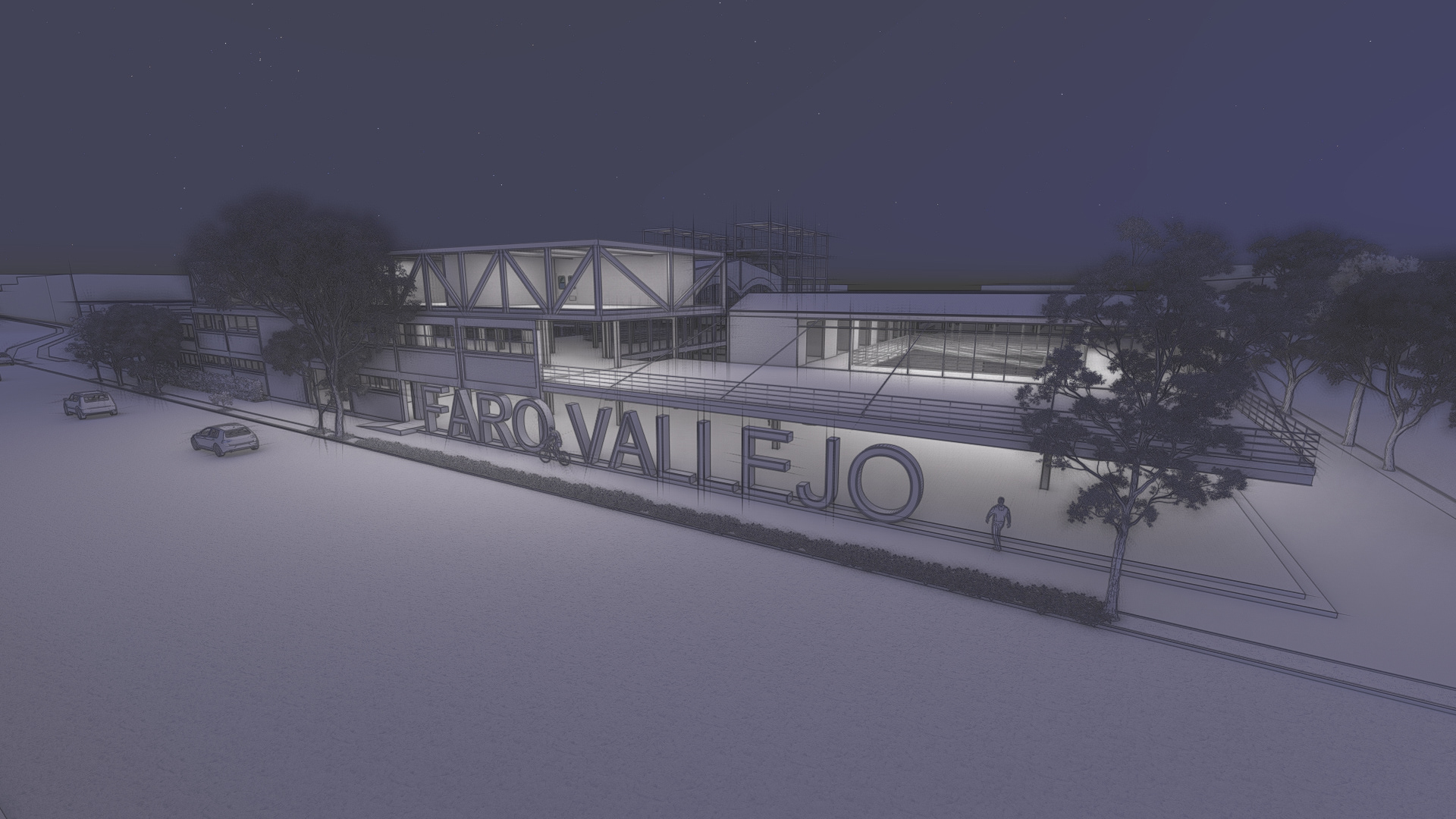
North facade at night
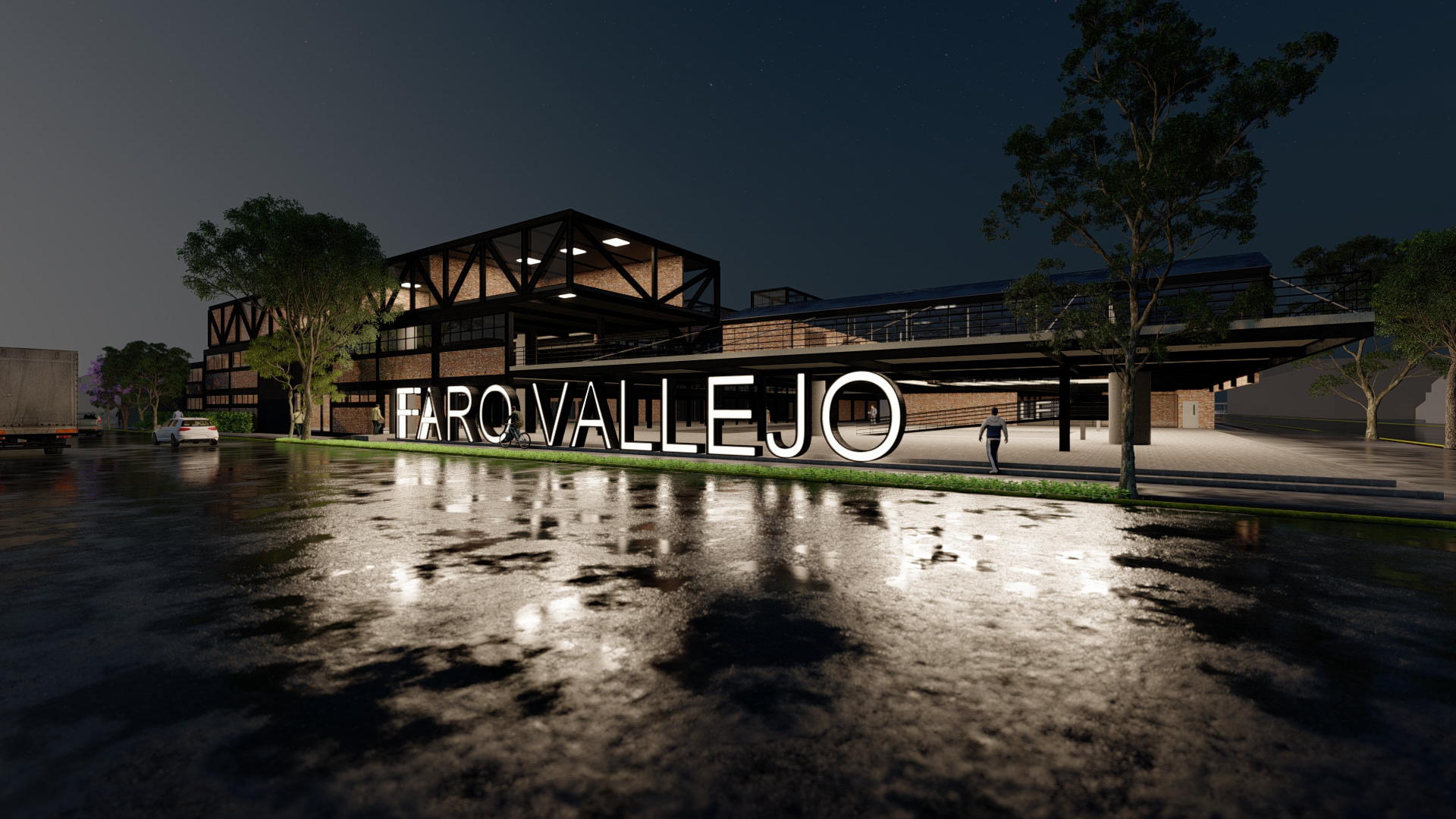
North facade at night
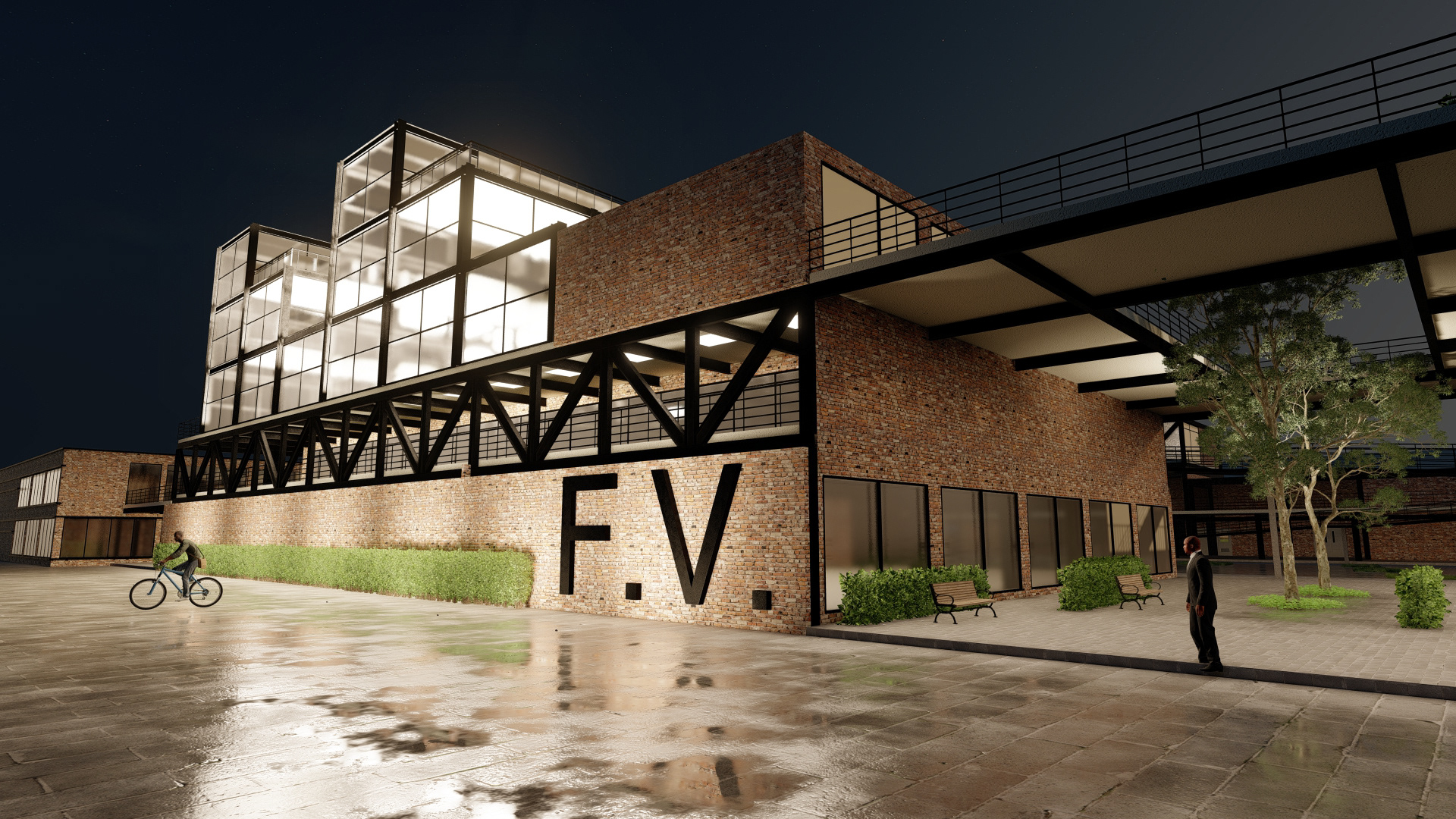
South façade close view
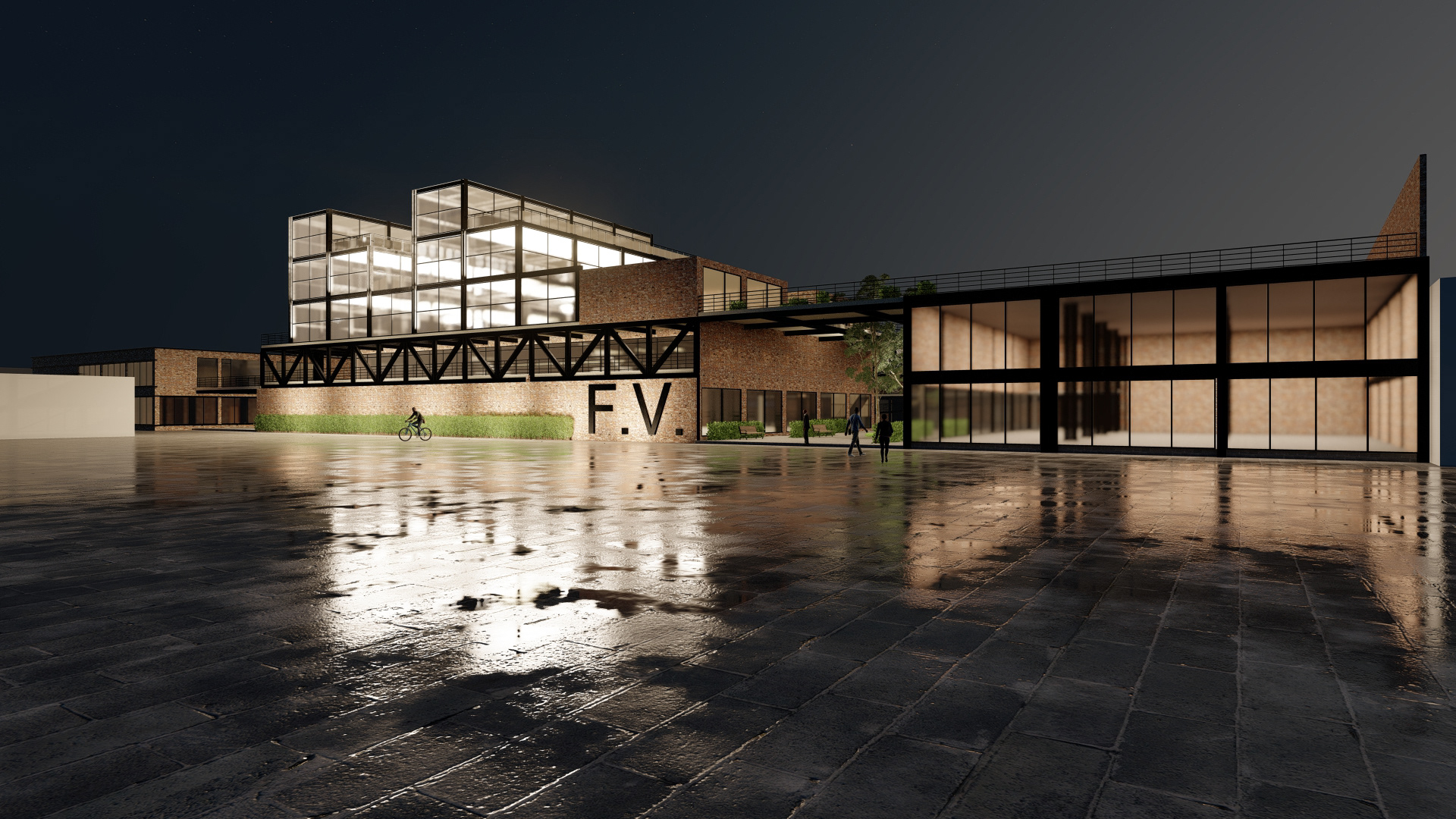
South façade plaza
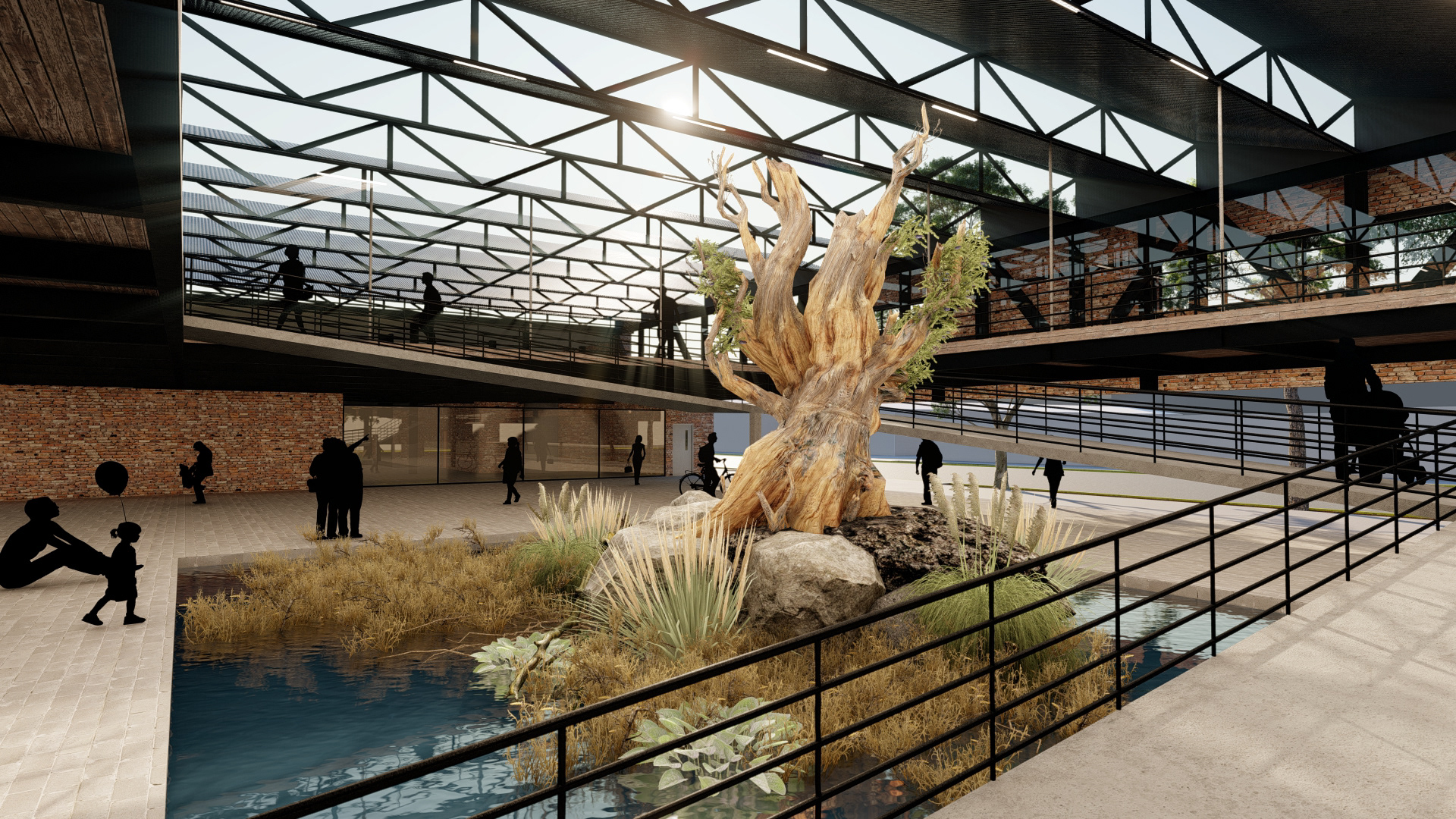
Bottom view ramp cafebreria
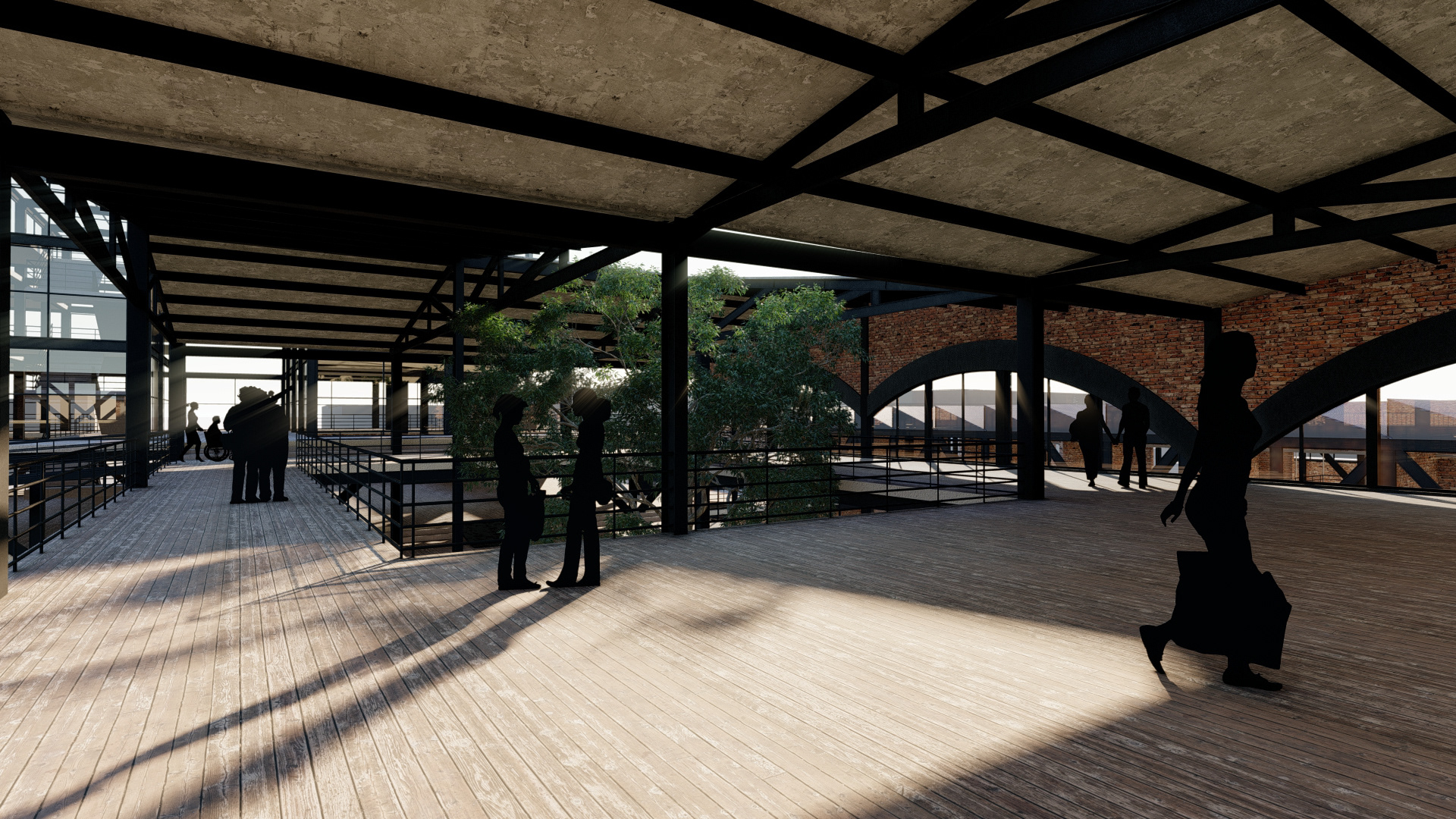
Third level bridge view, connection between workshops and showrooms

Third level bridge view, connection between workshops and showrooms
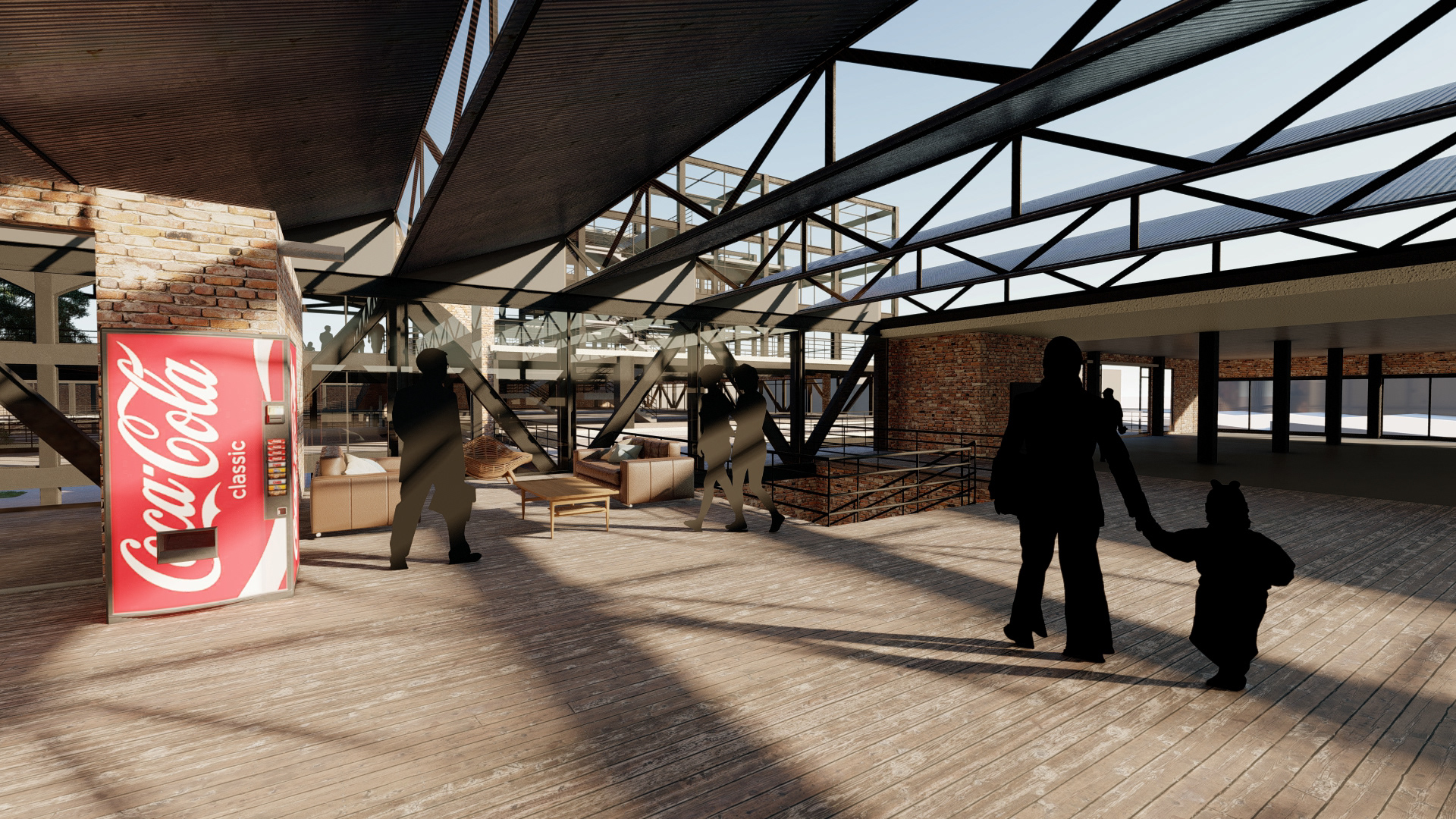
Interior of the cabreria, side of the stairs
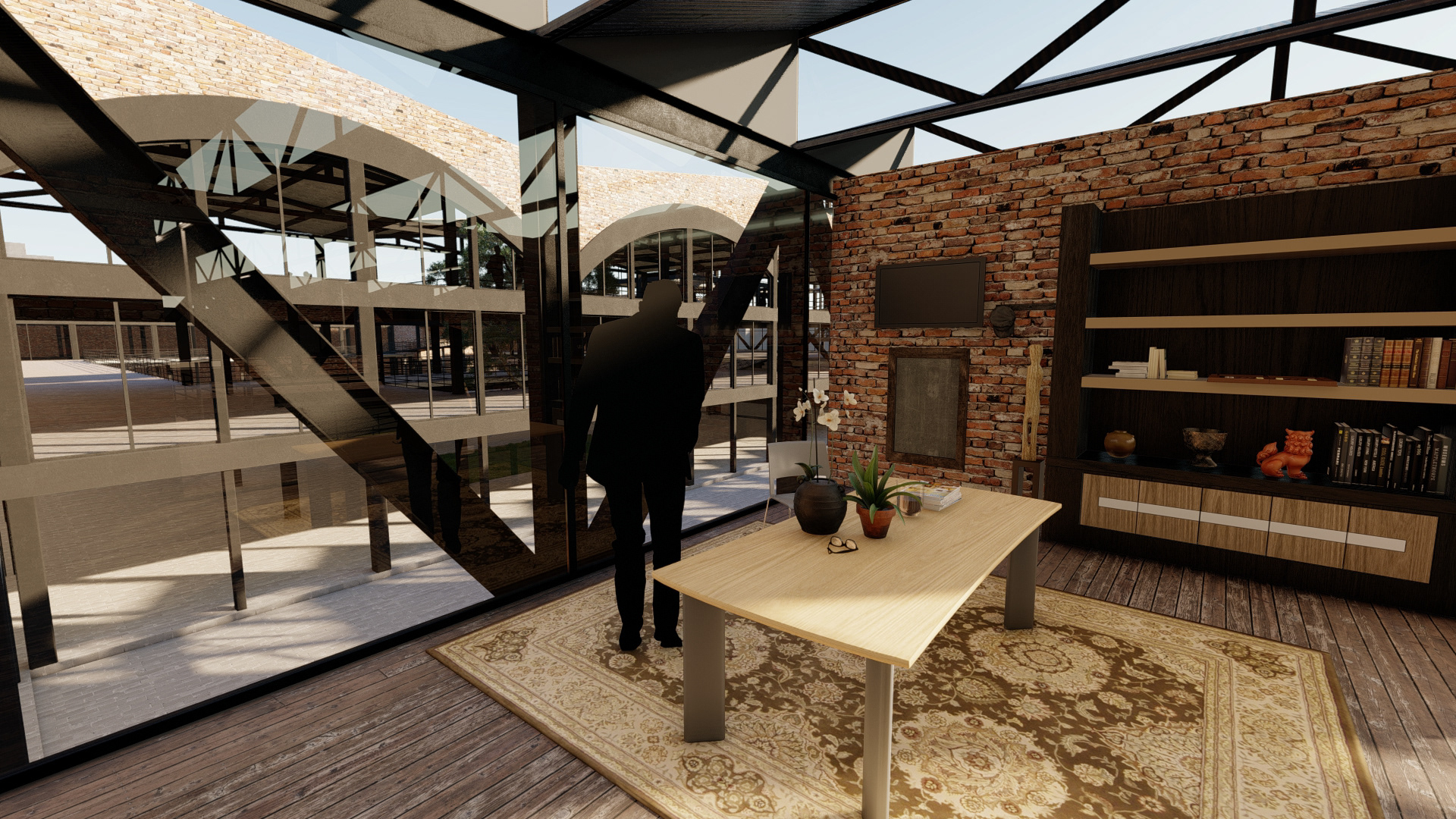
Interior study room cafebreria
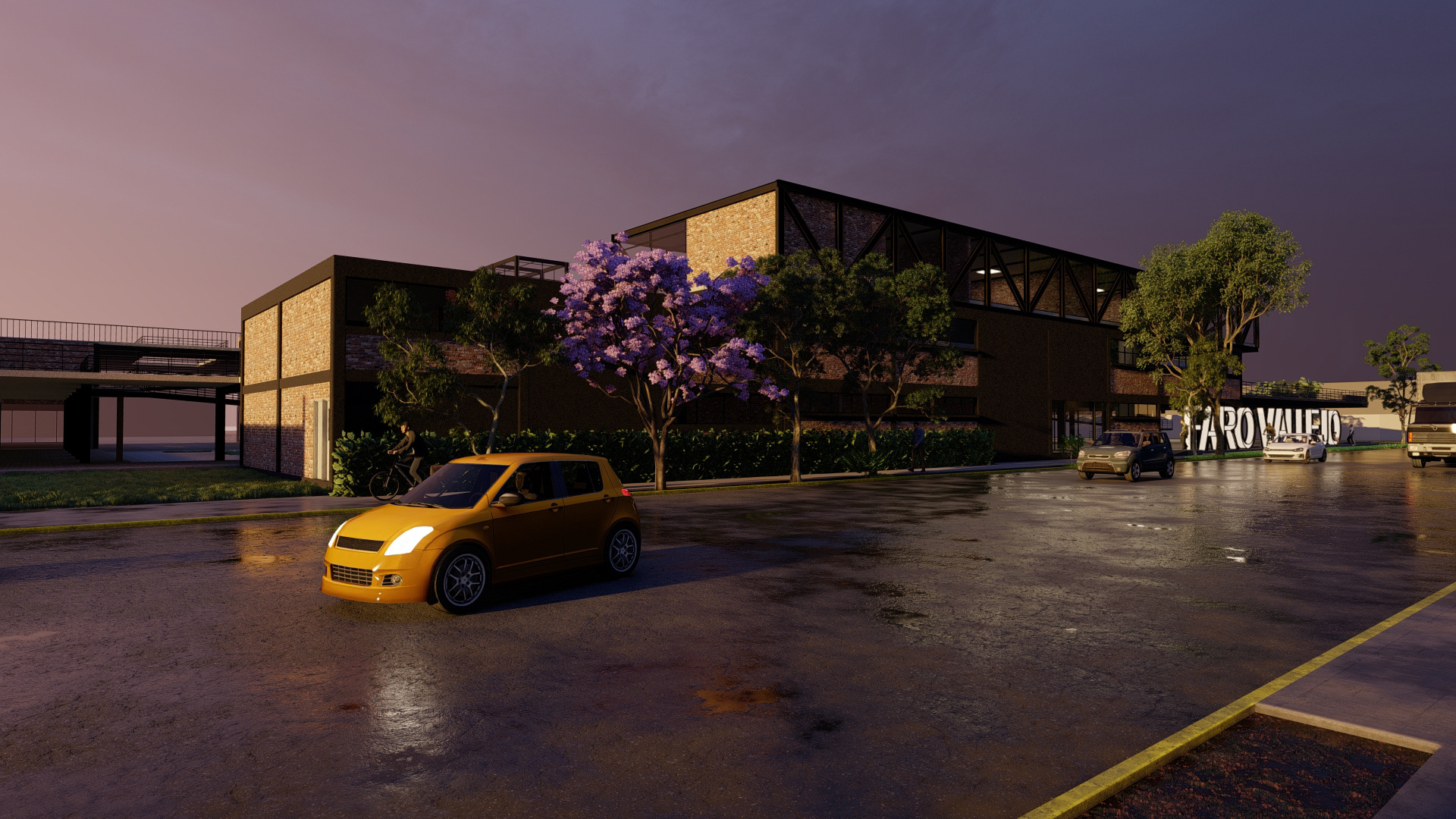
East facade in the afternoon
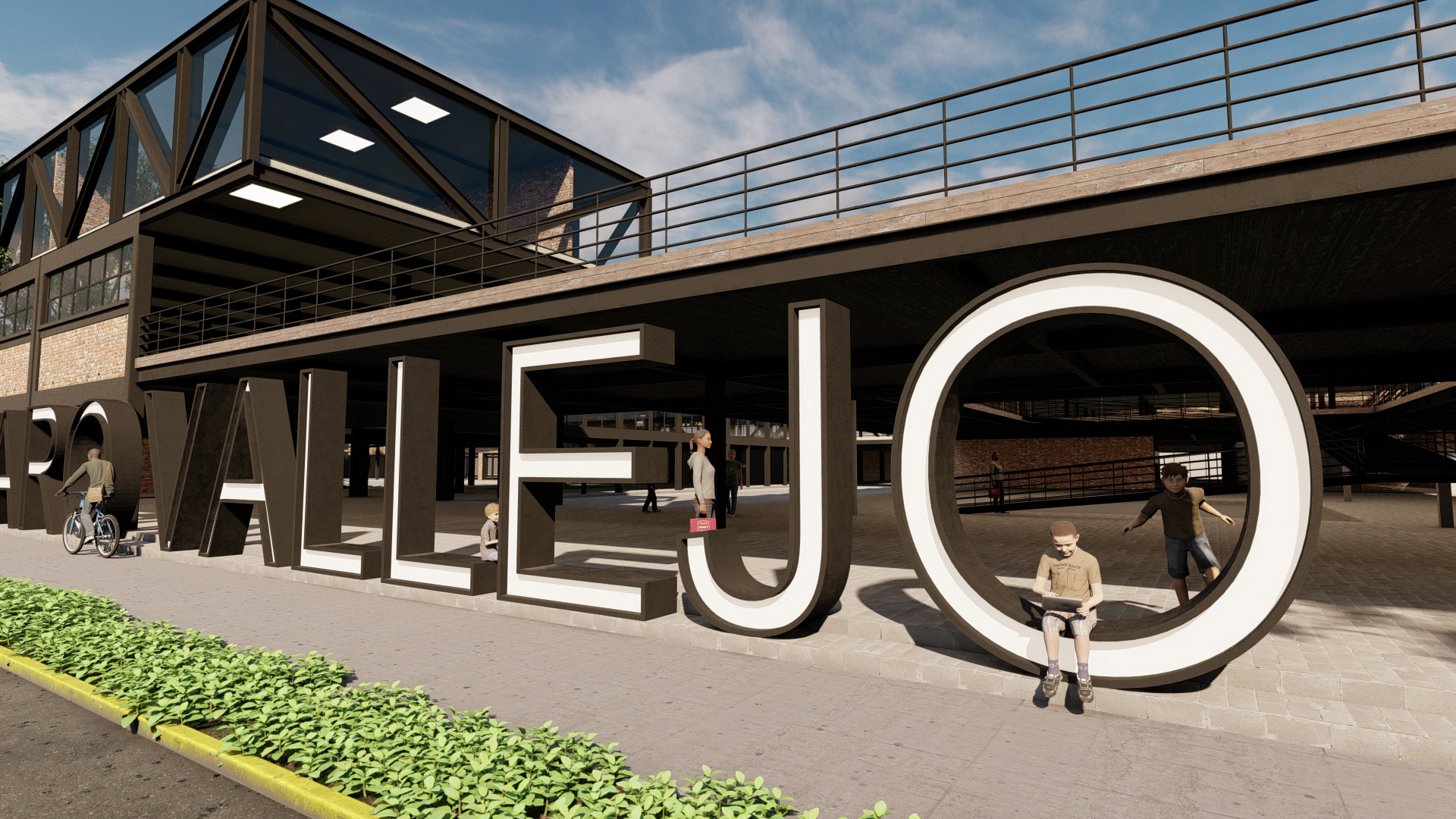
North façade, plaza use
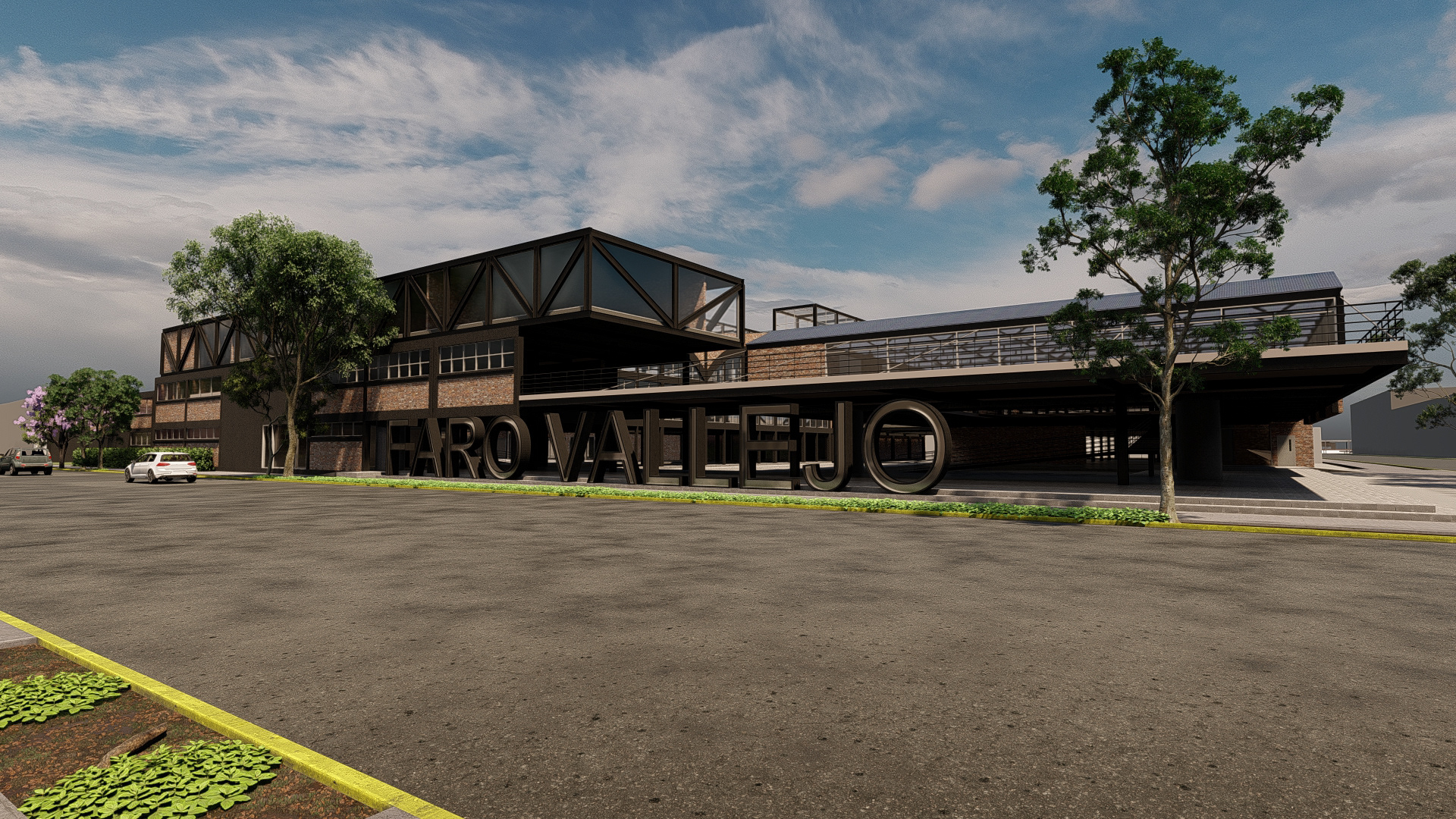
North facade in the afternoon
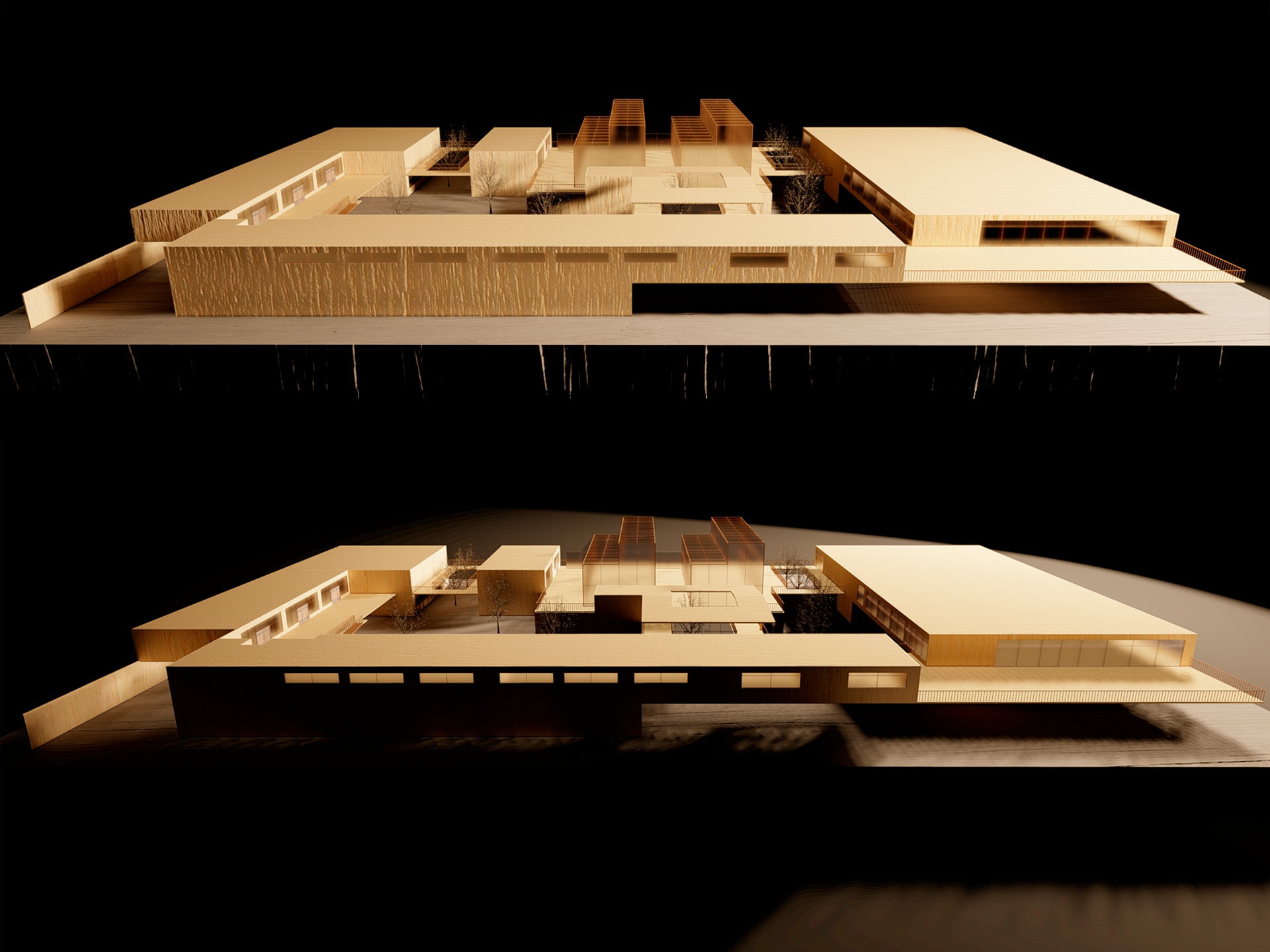
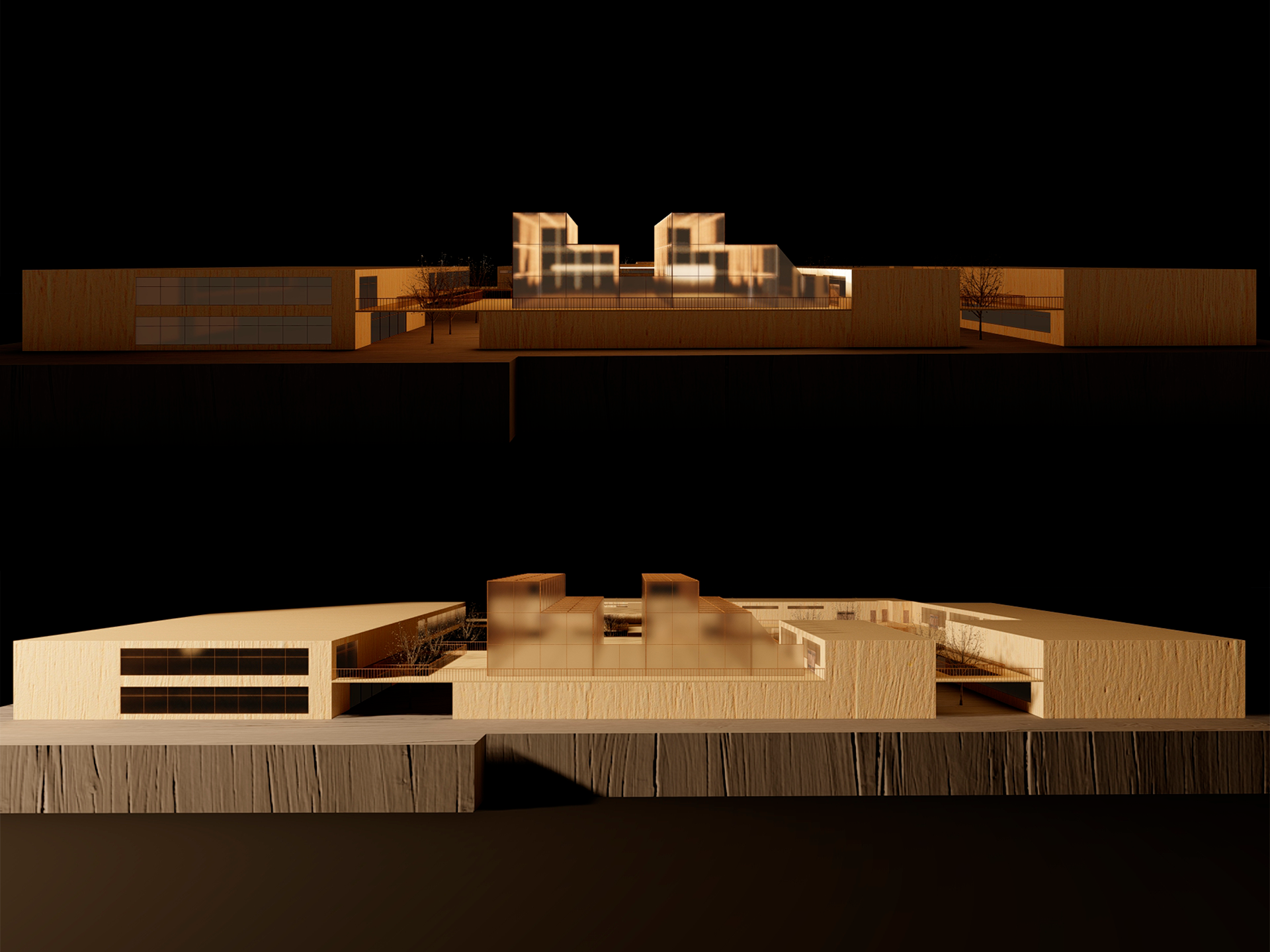
Render Mockup - Conceptual
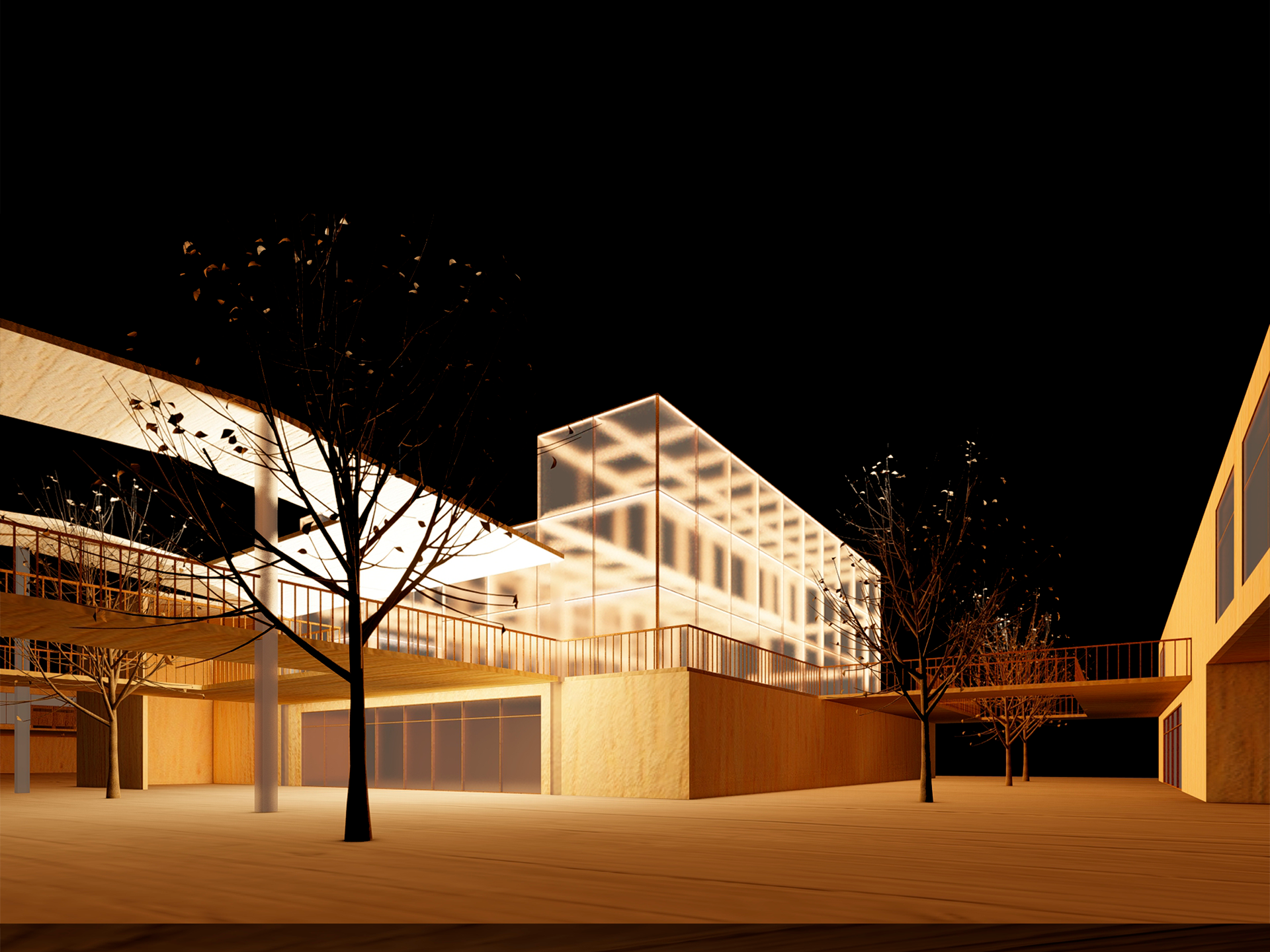
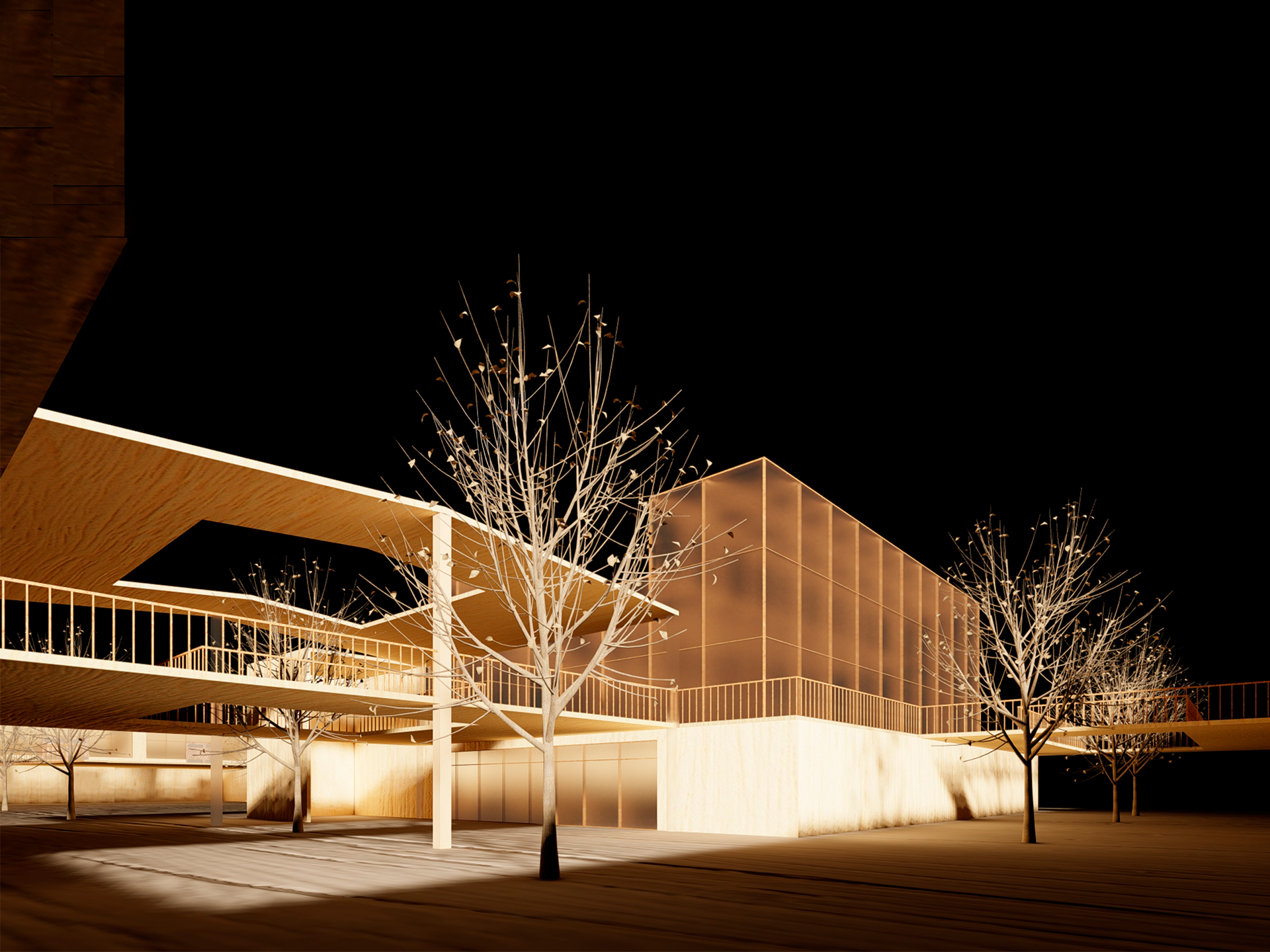
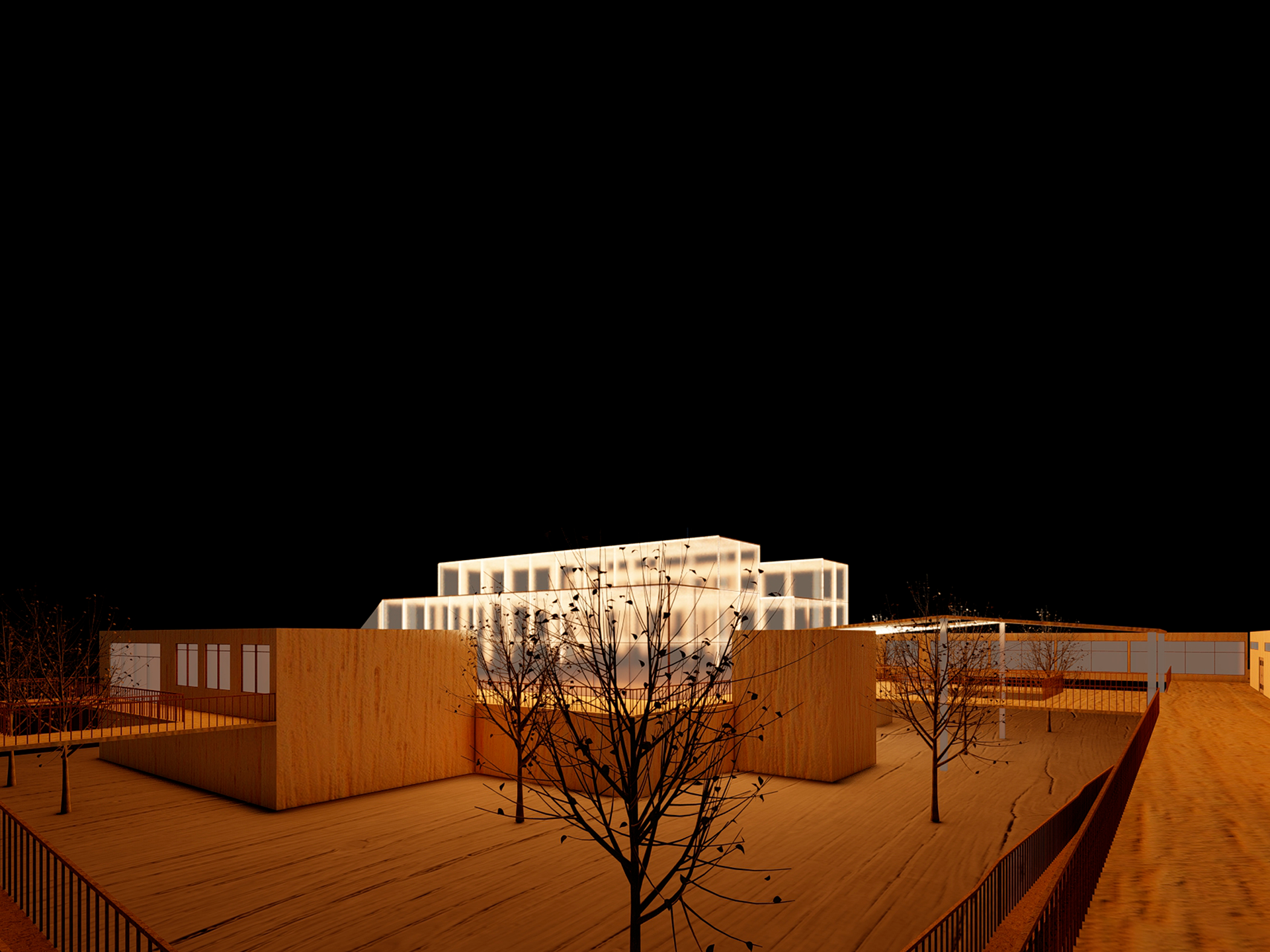
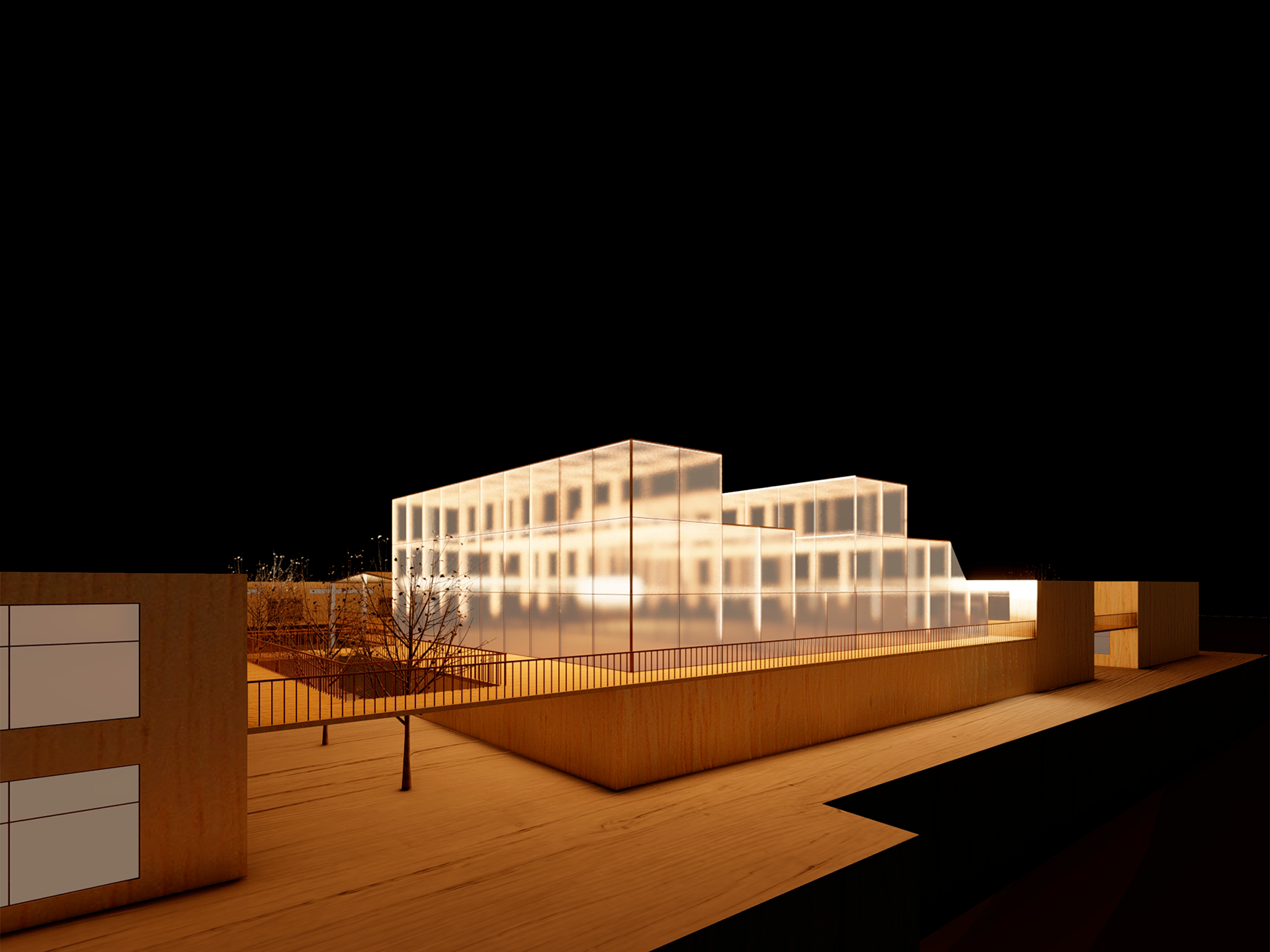
View from plaza, set of projects