LSC 80 is an academic collective housing proposal developed for a site located at Lago de San Cristóbal 80, in the Anáhuac neighborhood of Mexico City. The project was designed as part of the Projects II: Collective Housing studio, led by Professor Astrid Mues.
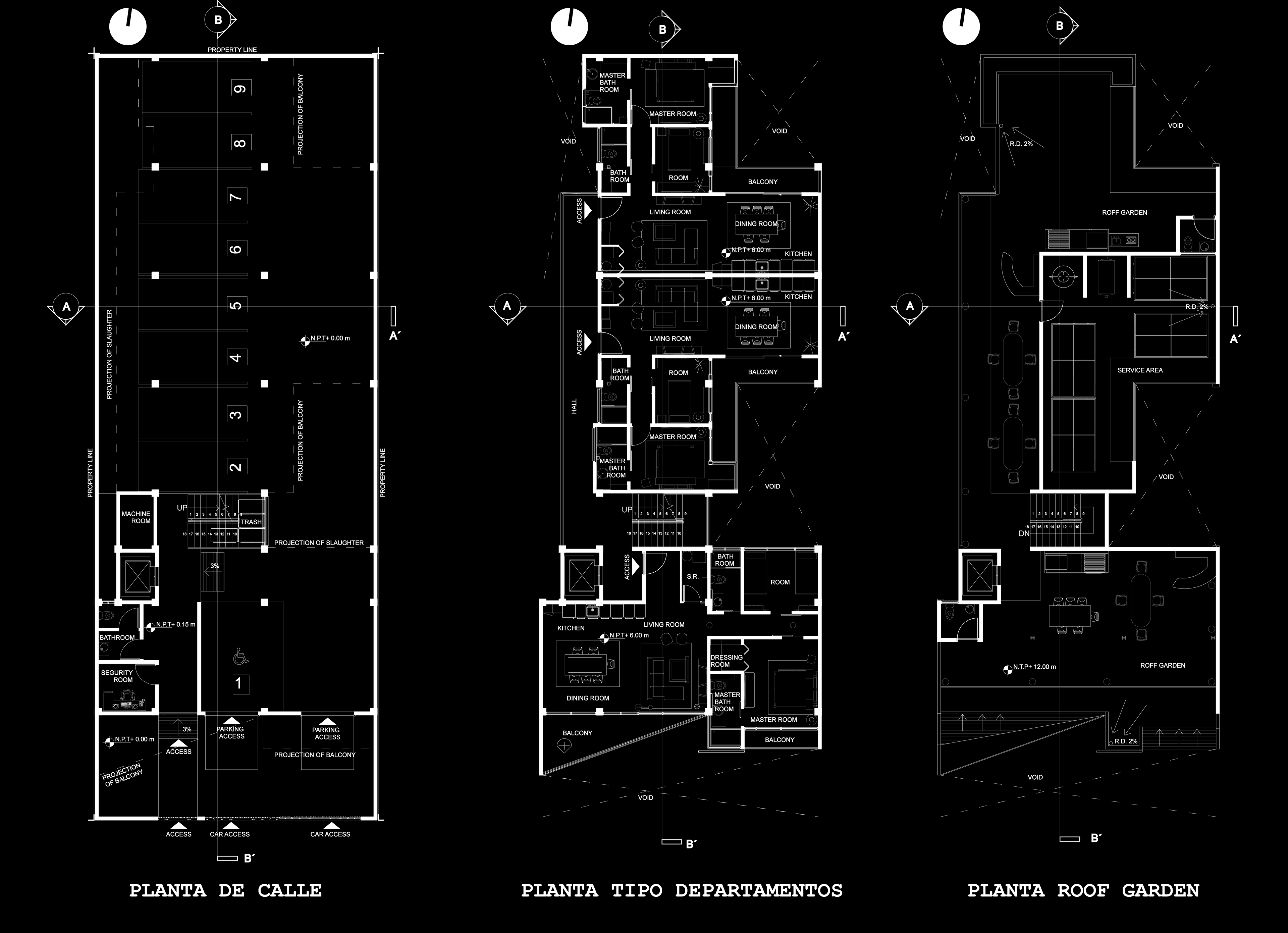
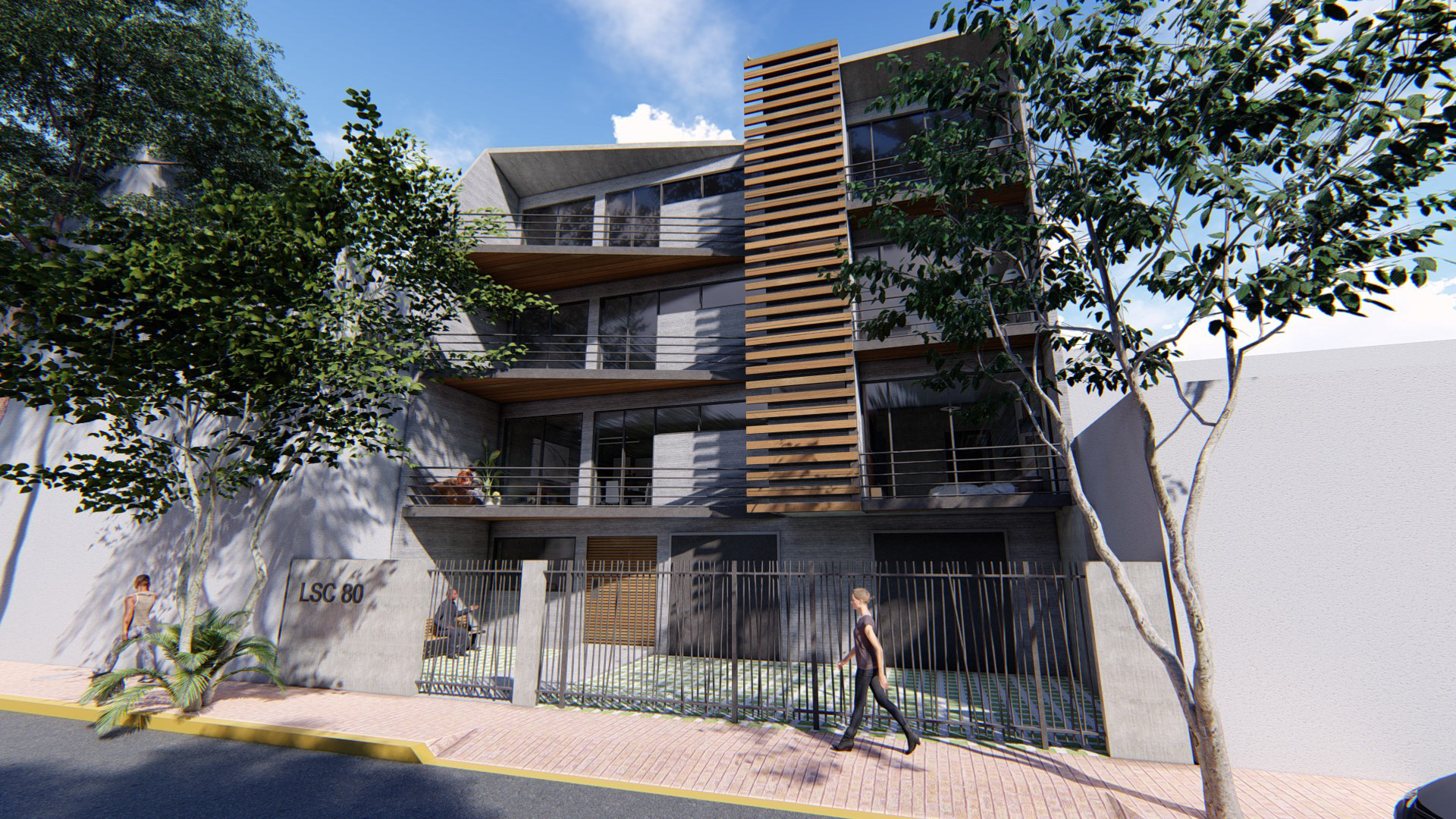
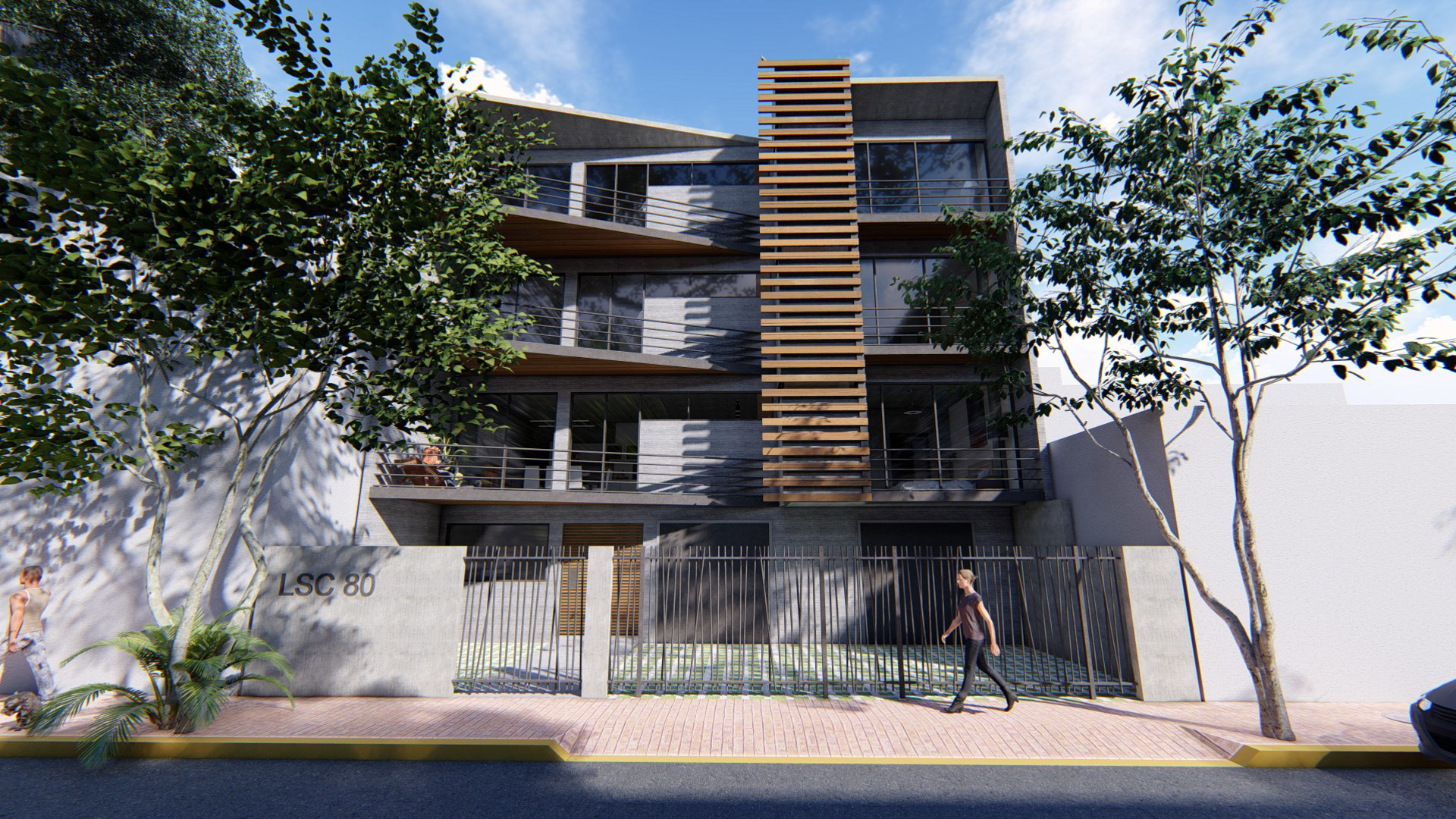
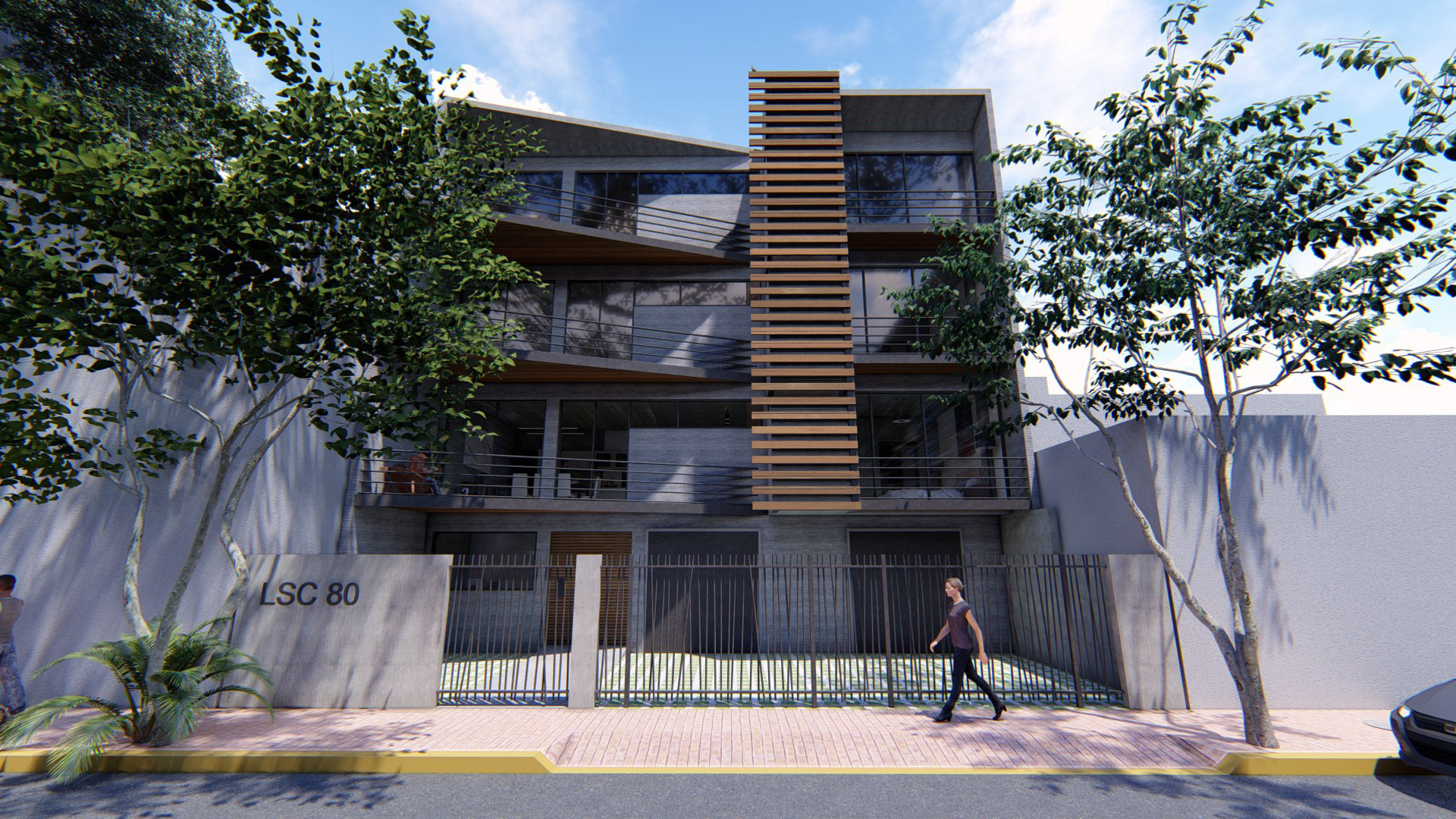
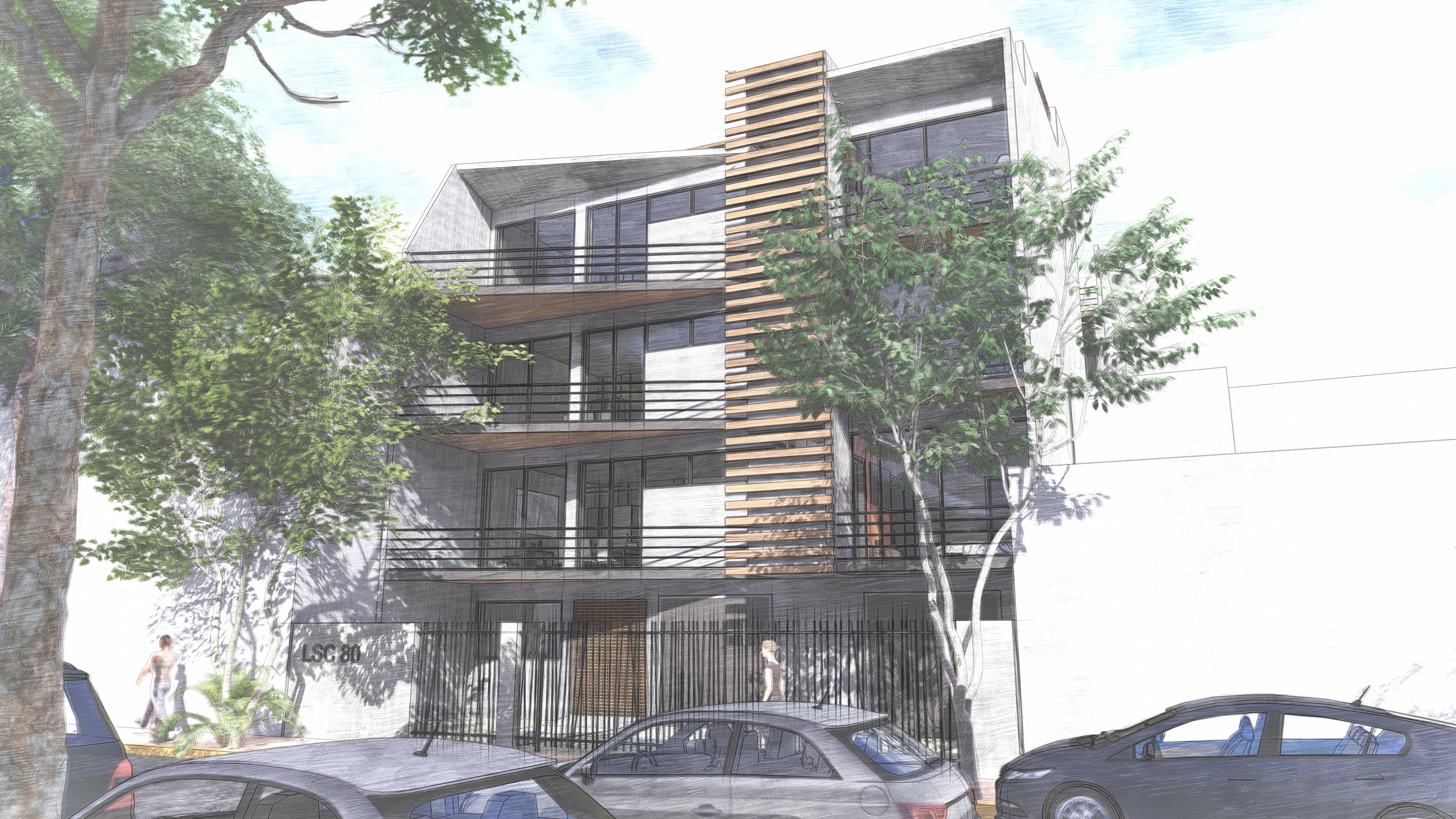
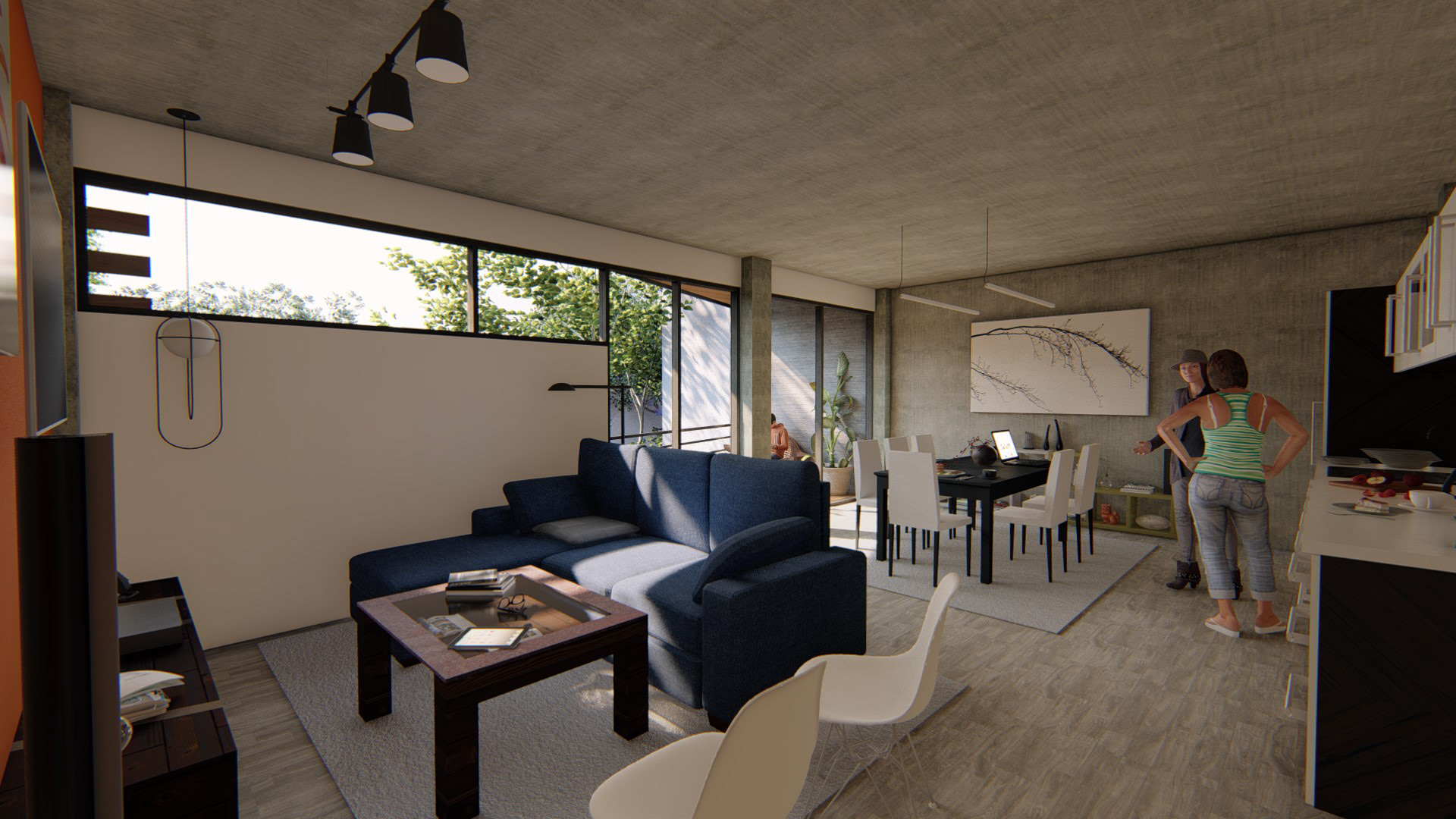
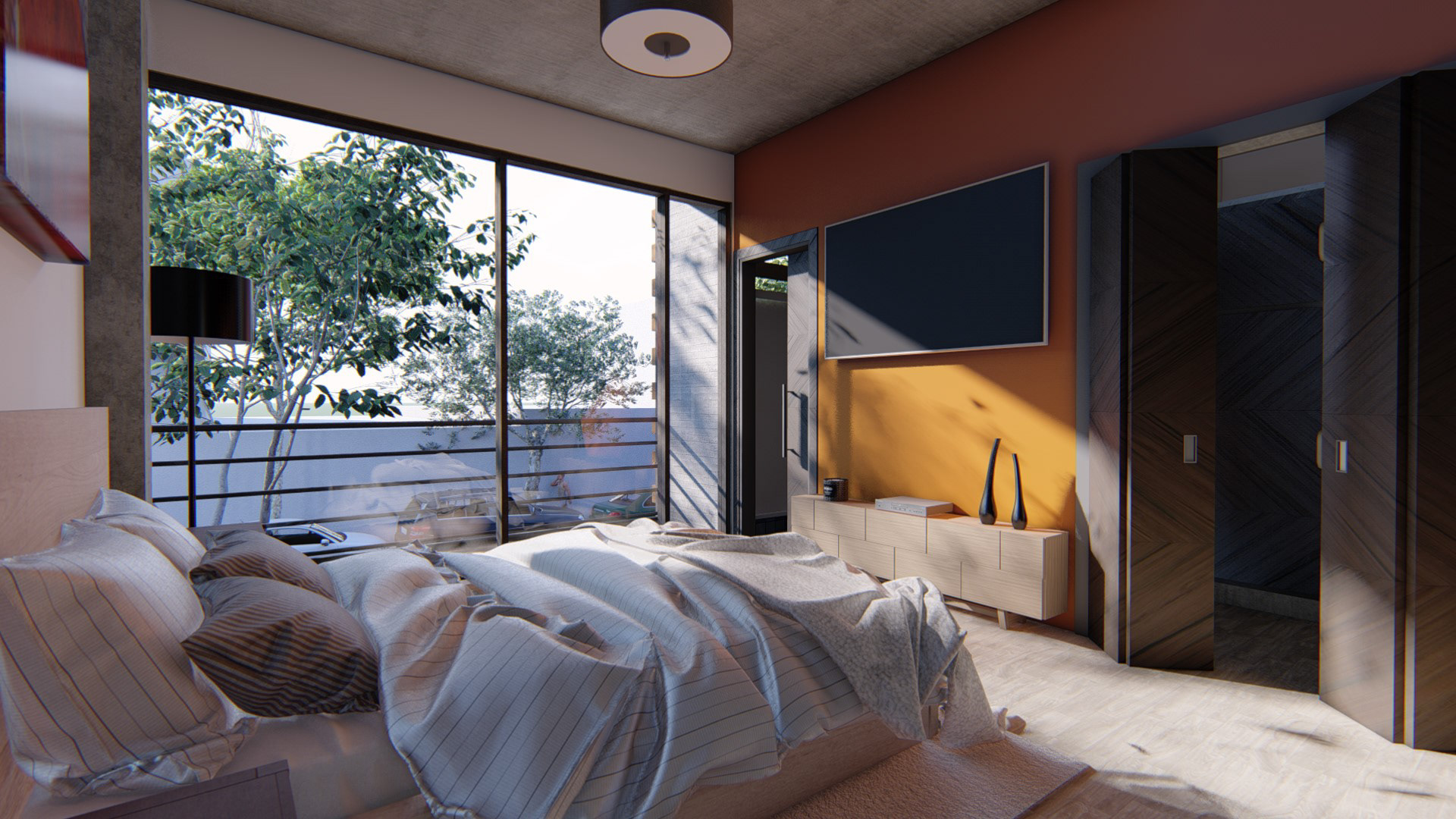
The proposal responds to the area’s demand for practical and accessible housing rather than luxury apartments. It consists of nine units distributed across three residential levels, with three apartment typologies of approximately 80 m². Each unit was designed for young couples and small families, prioritizing efficient layouts, natural lighting, ventilation, and functional living spaces.
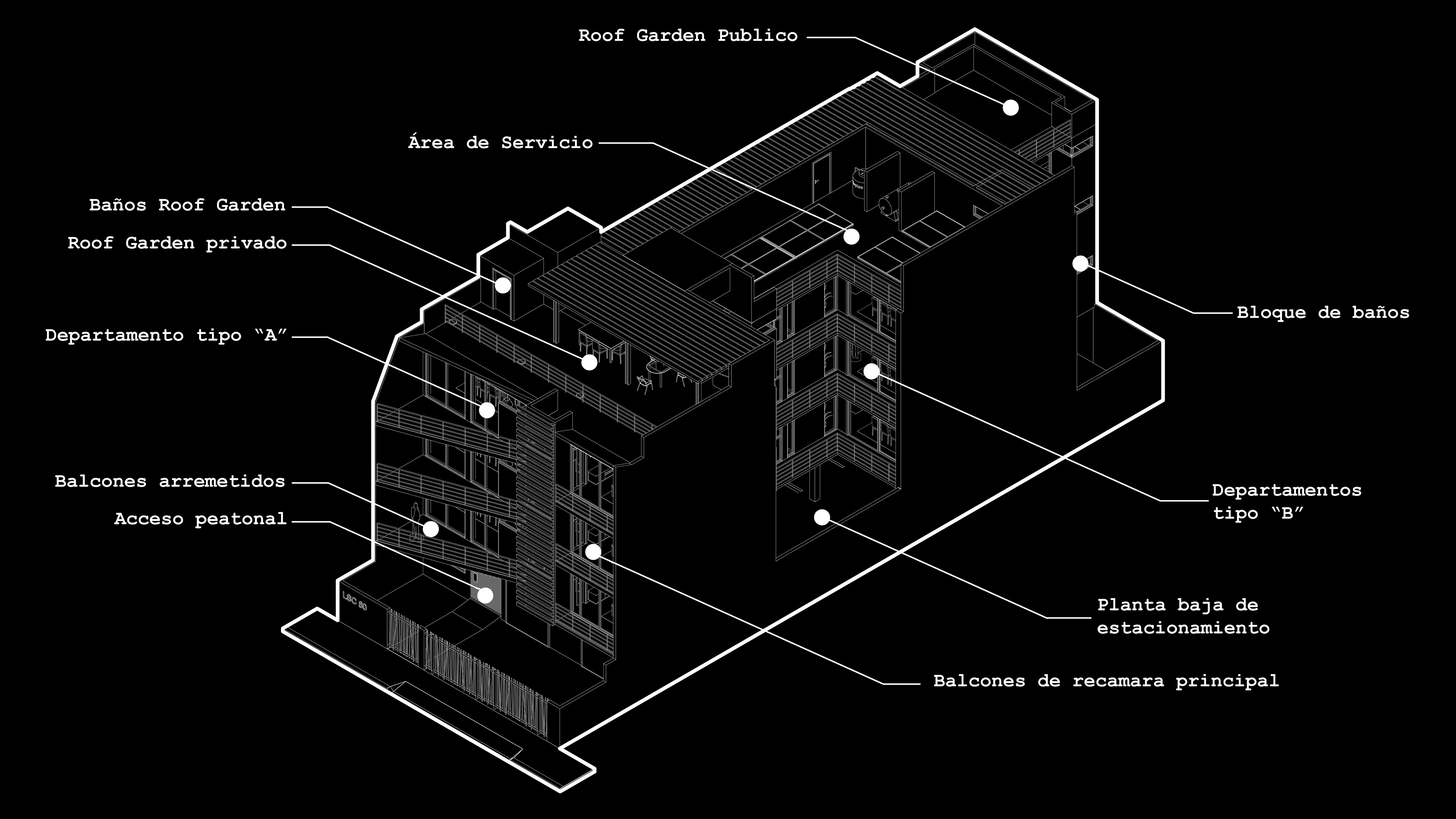
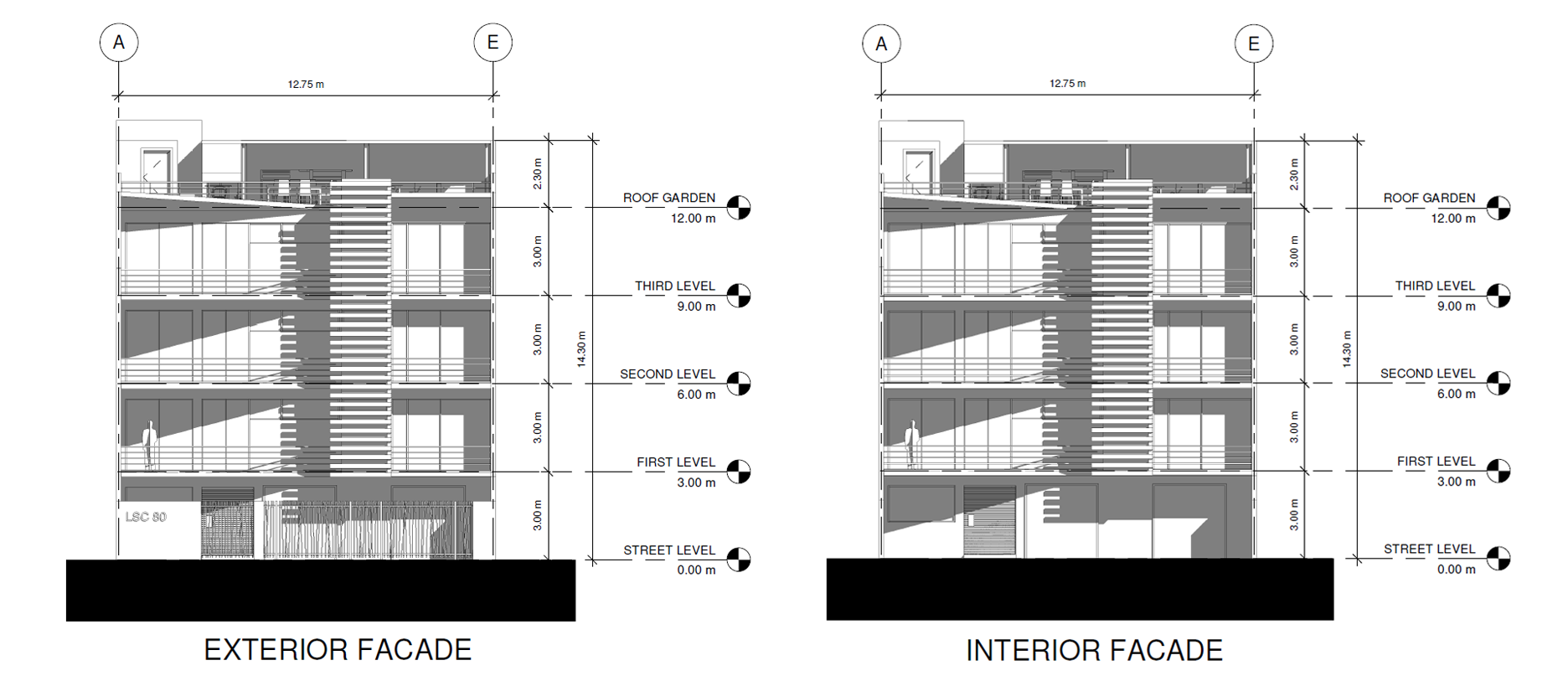
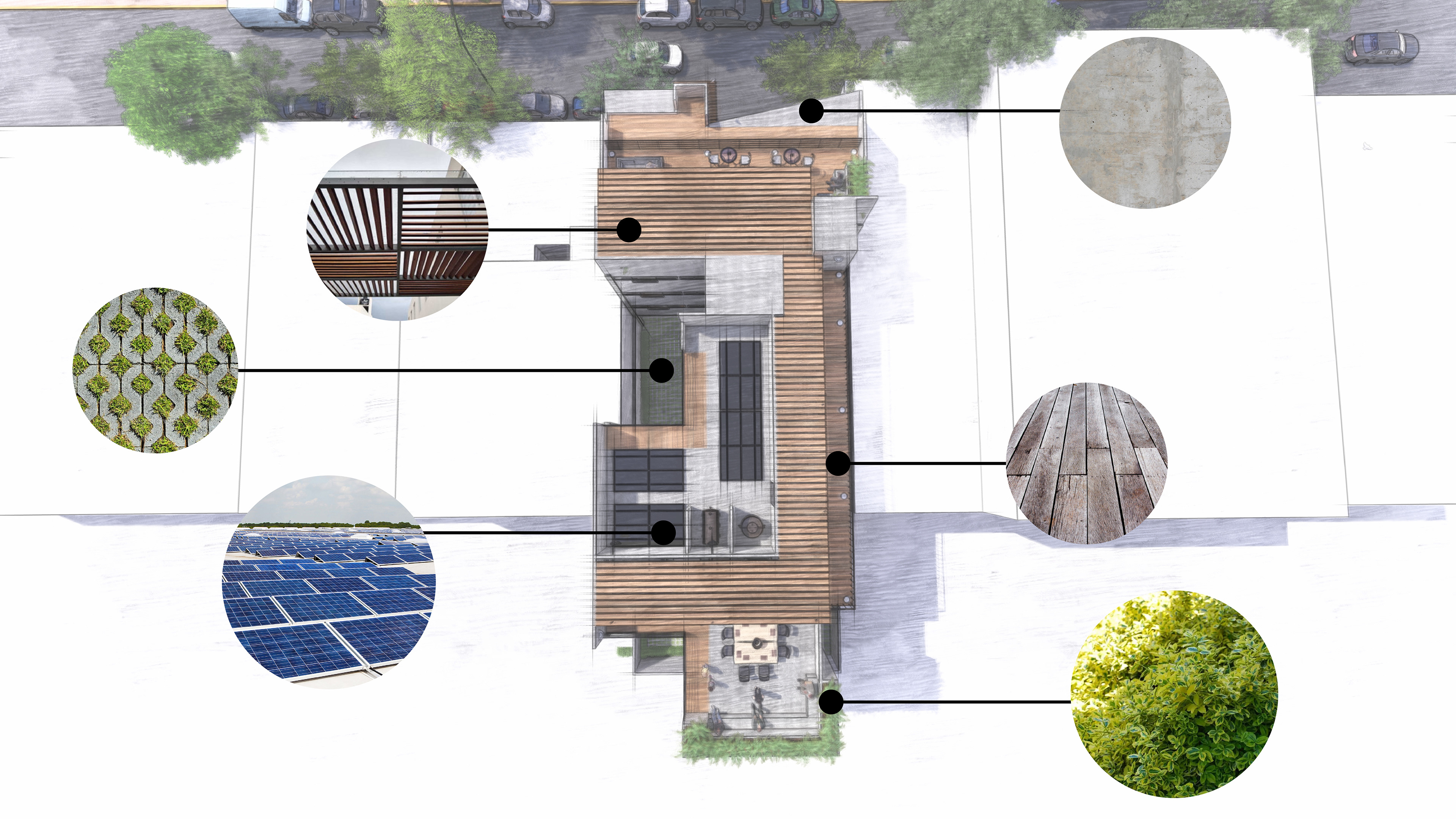
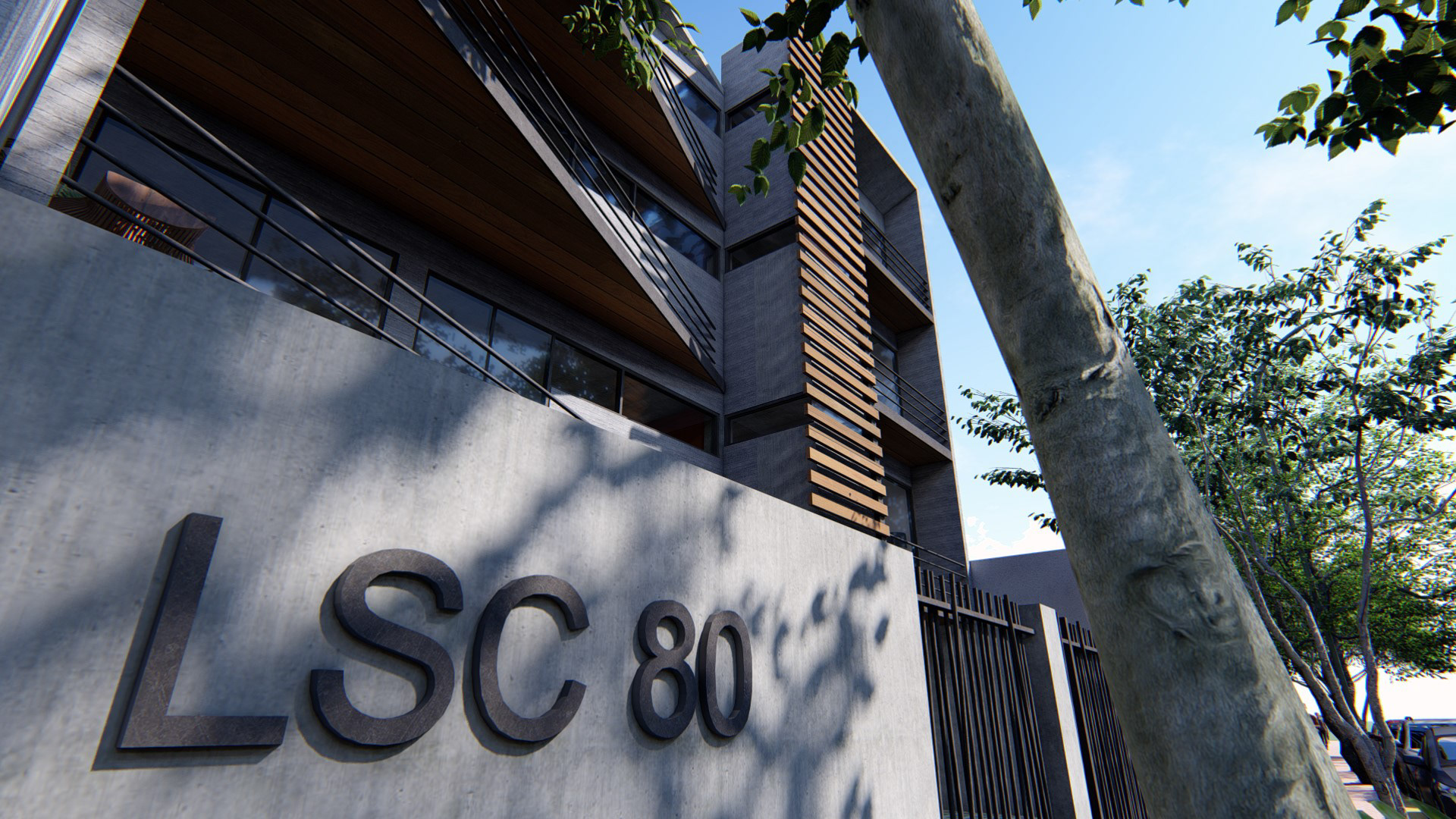
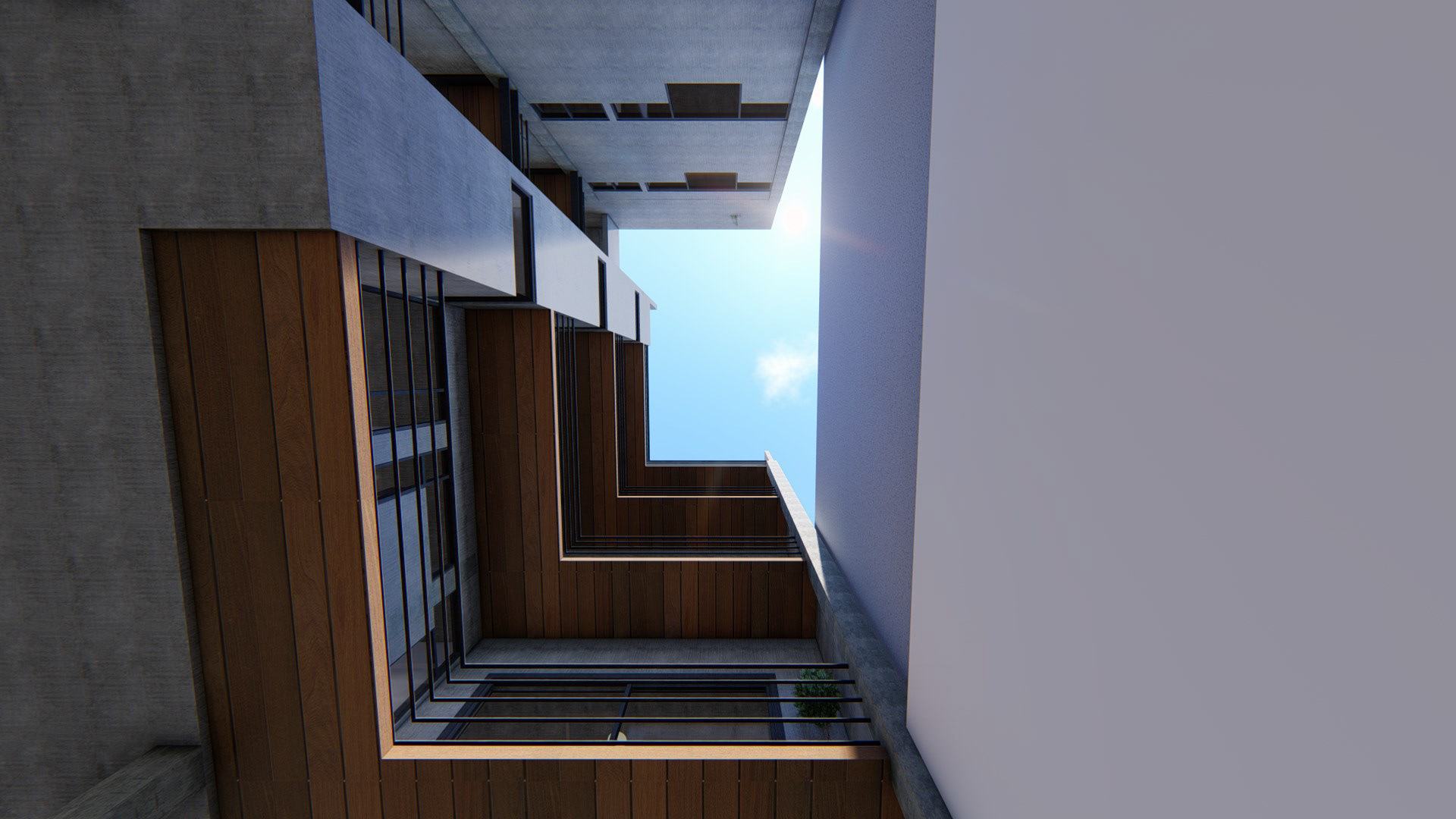
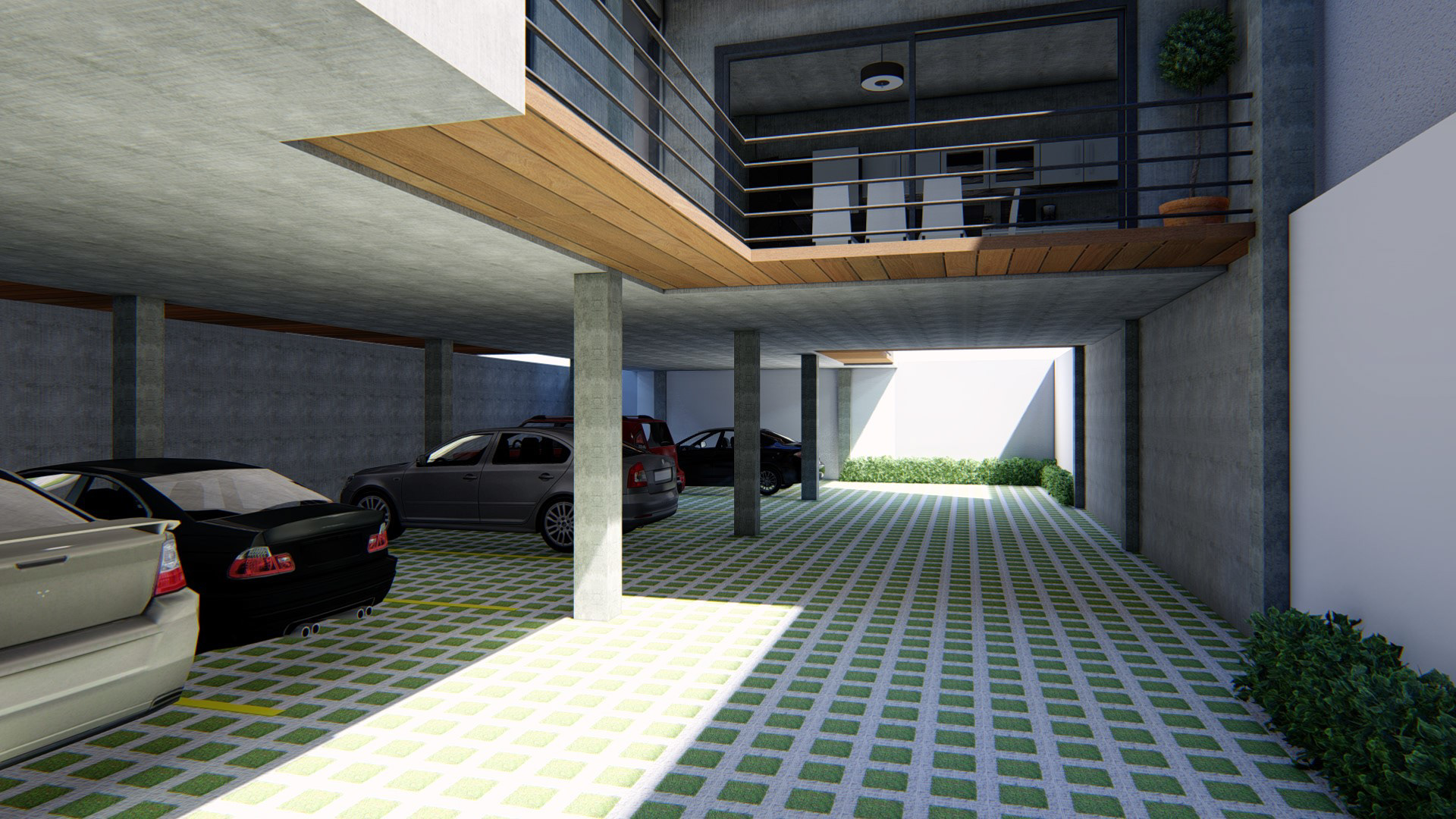
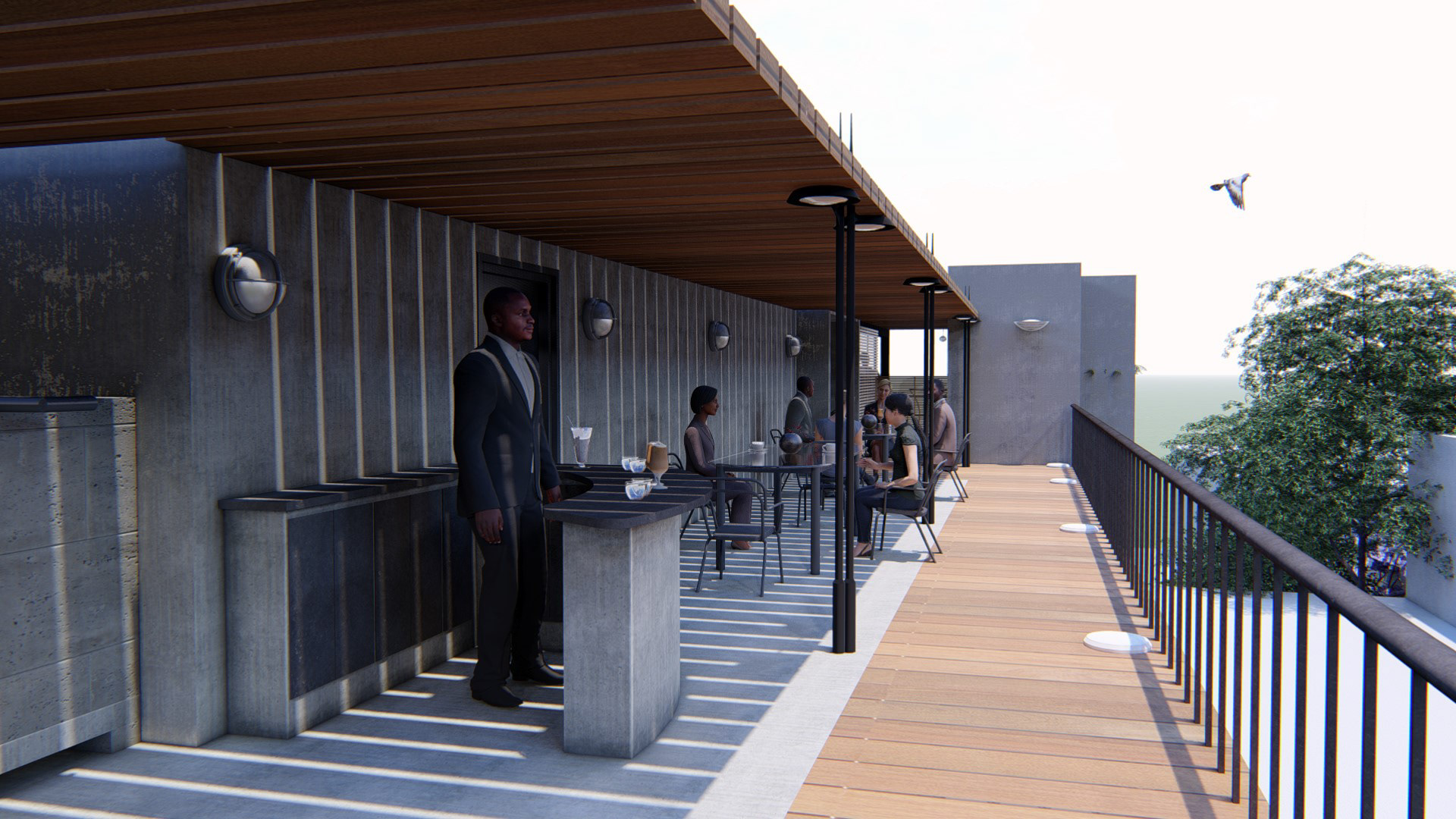
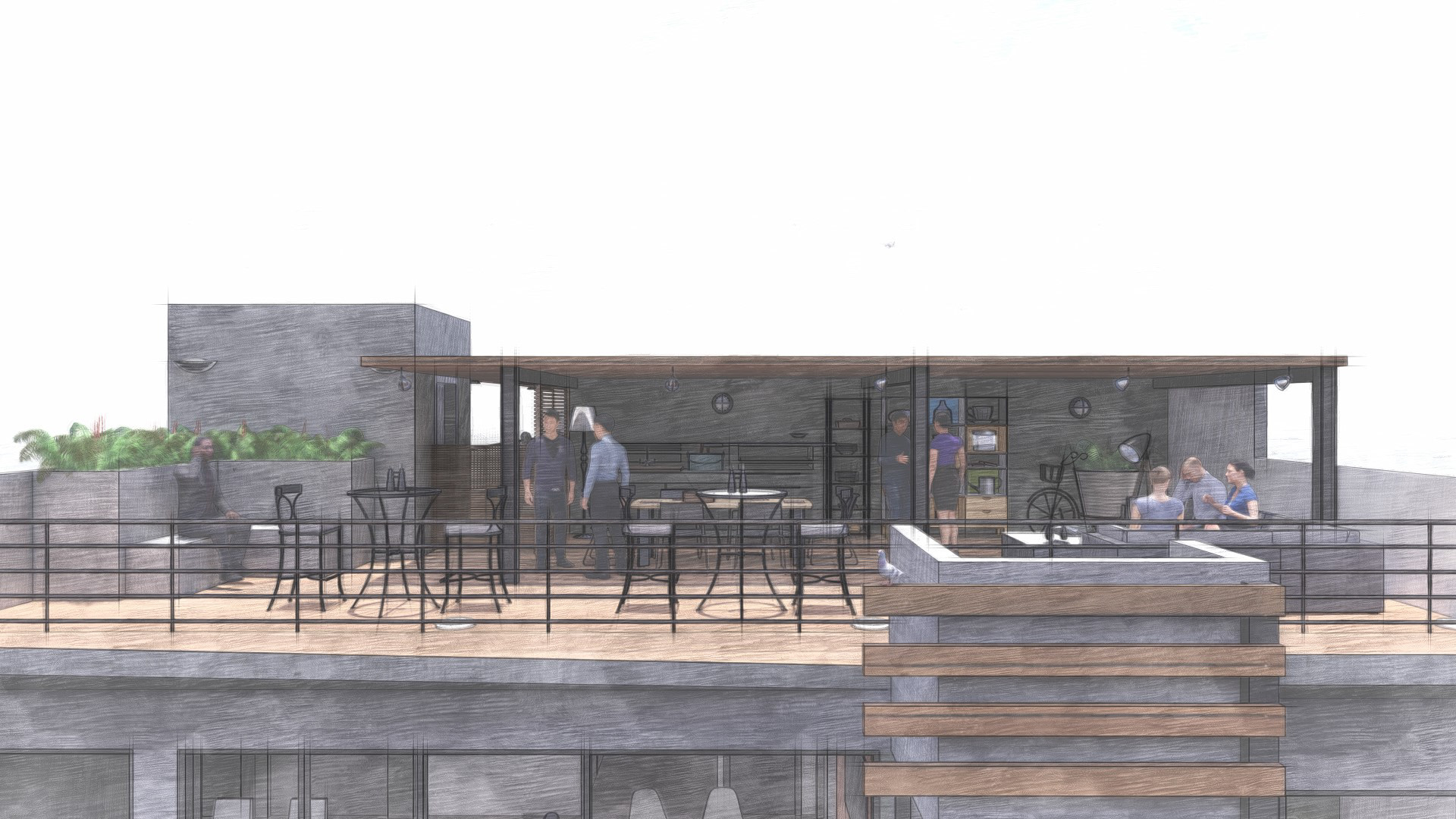
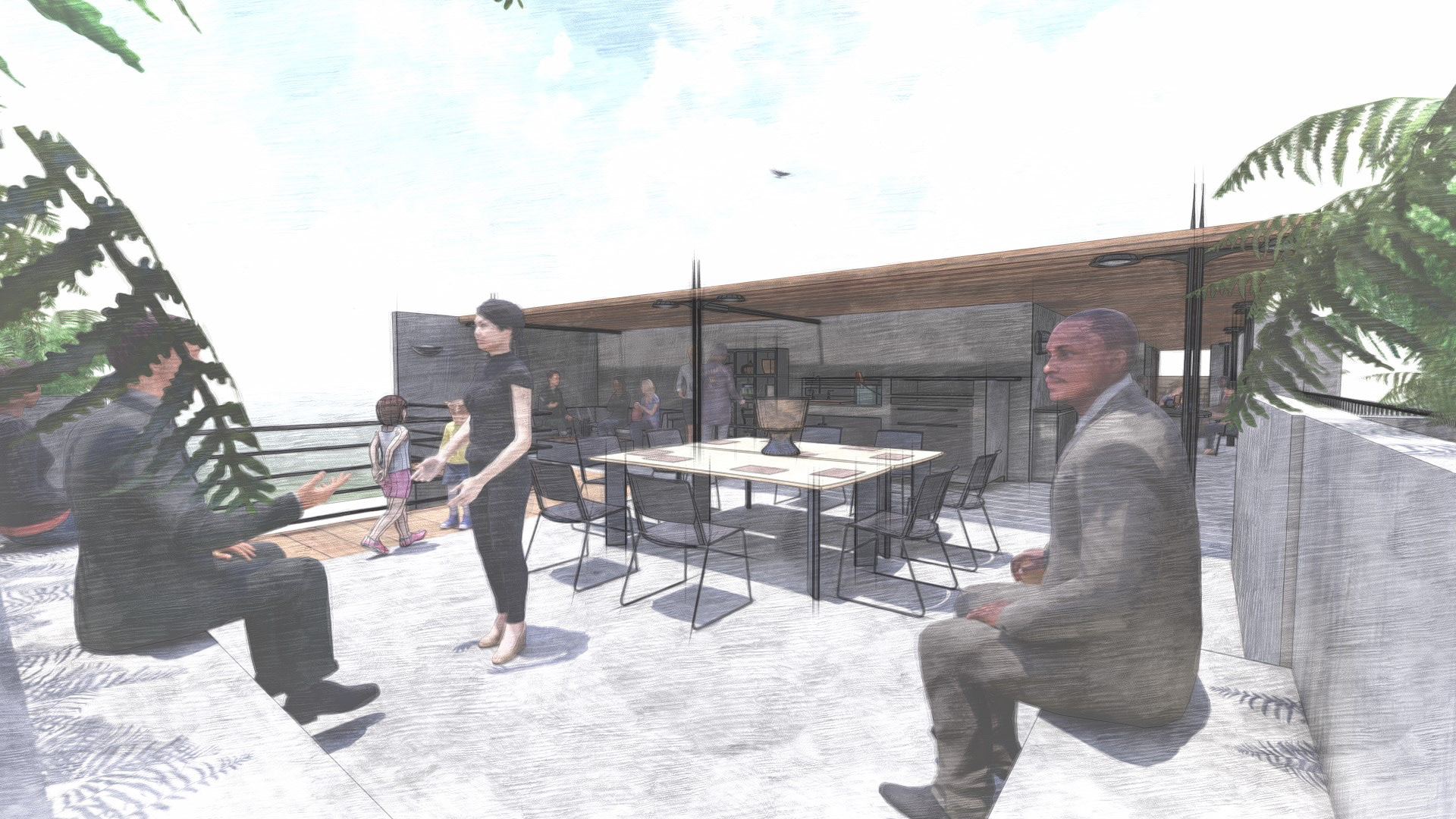
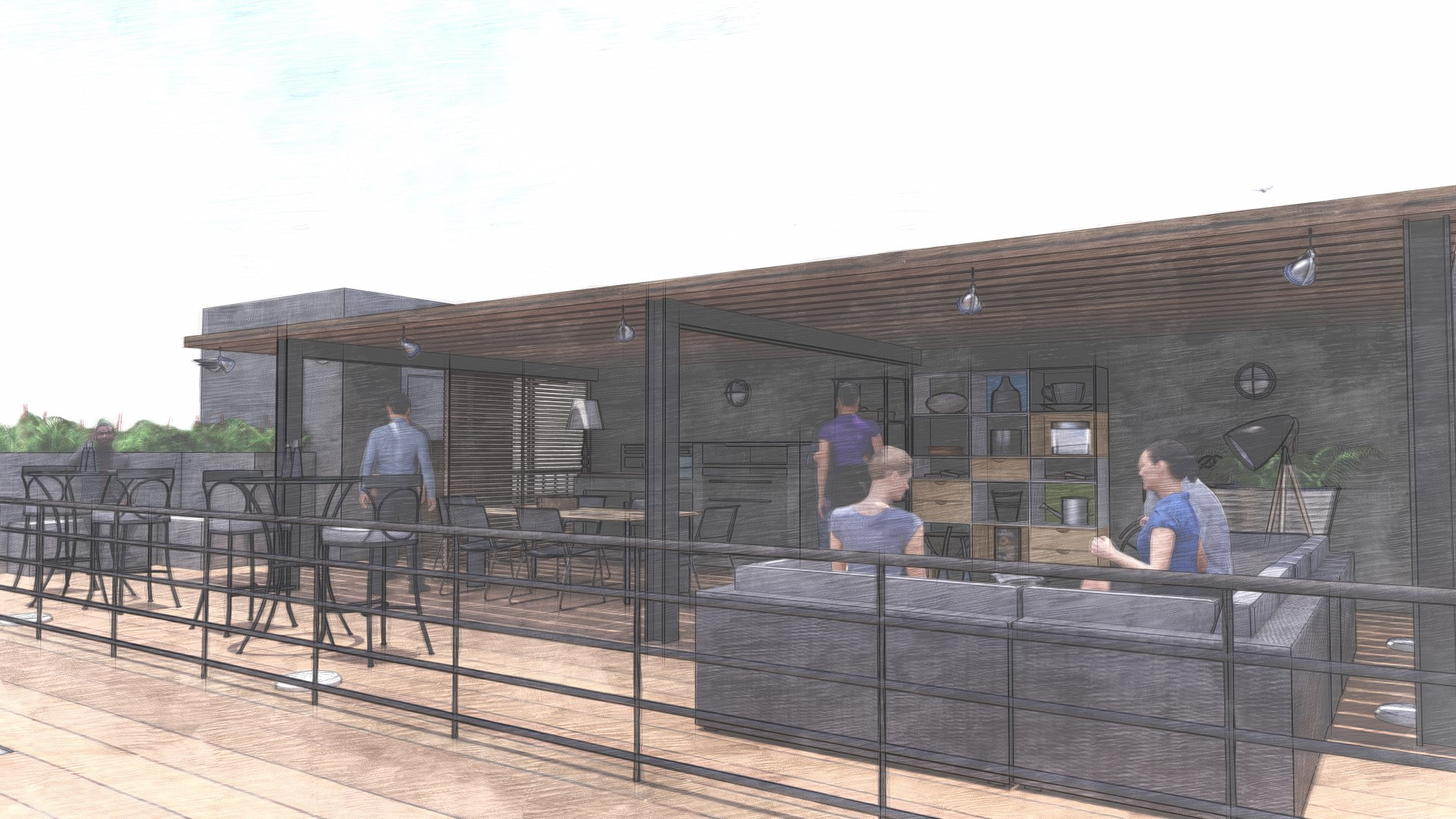
The building adopts an L-shaped configuration that creates two distinct façades and improves the relationship between the apartments, balconies, circulation areas, and surrounding context. Shared amenities include a communal roof garden, while the upper-level apartment has access to a private terrace. The project also incorporates ground-floor parking, service areas, and clearly defined pedestrian access.
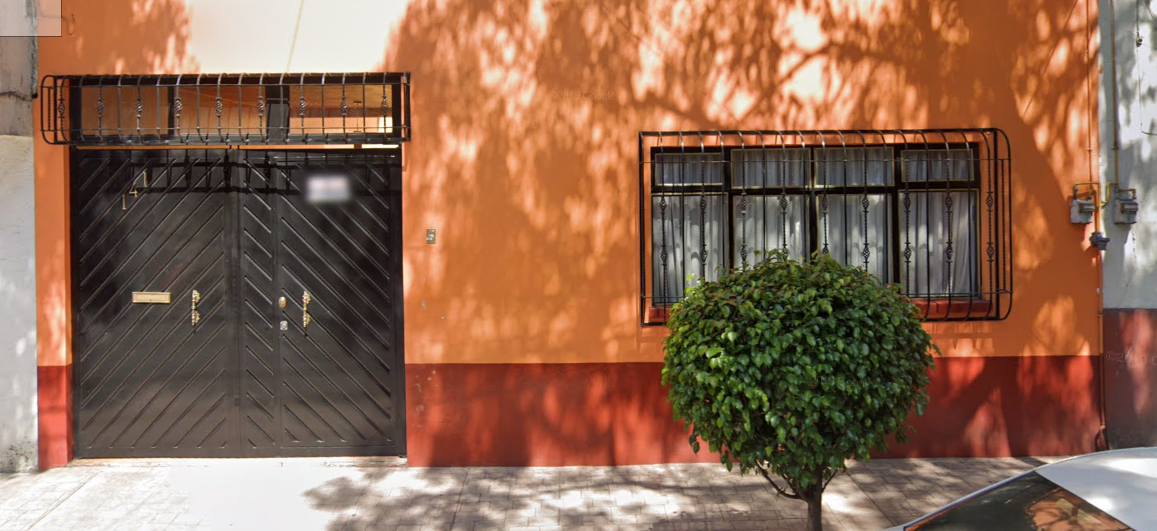
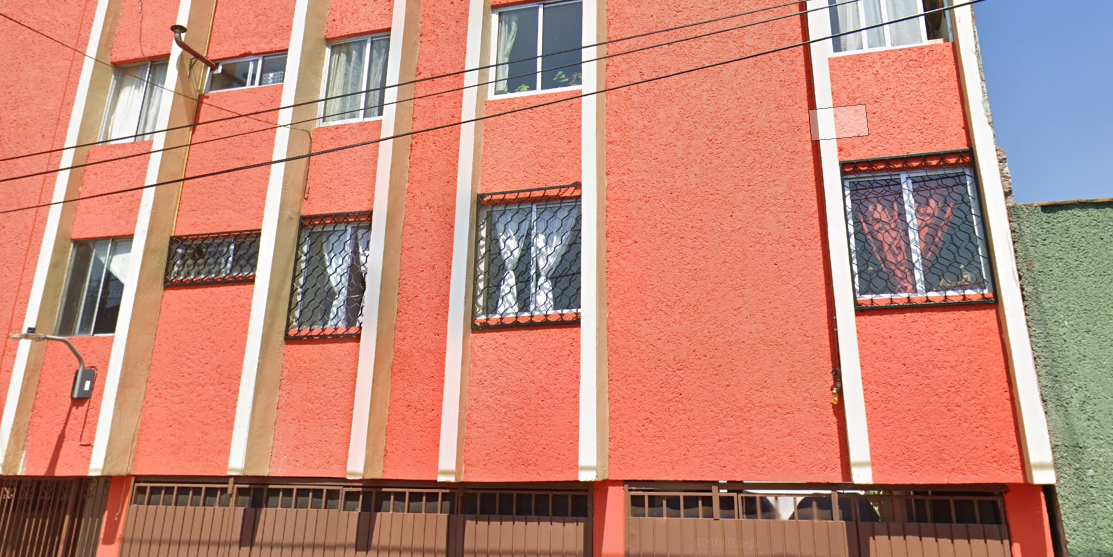
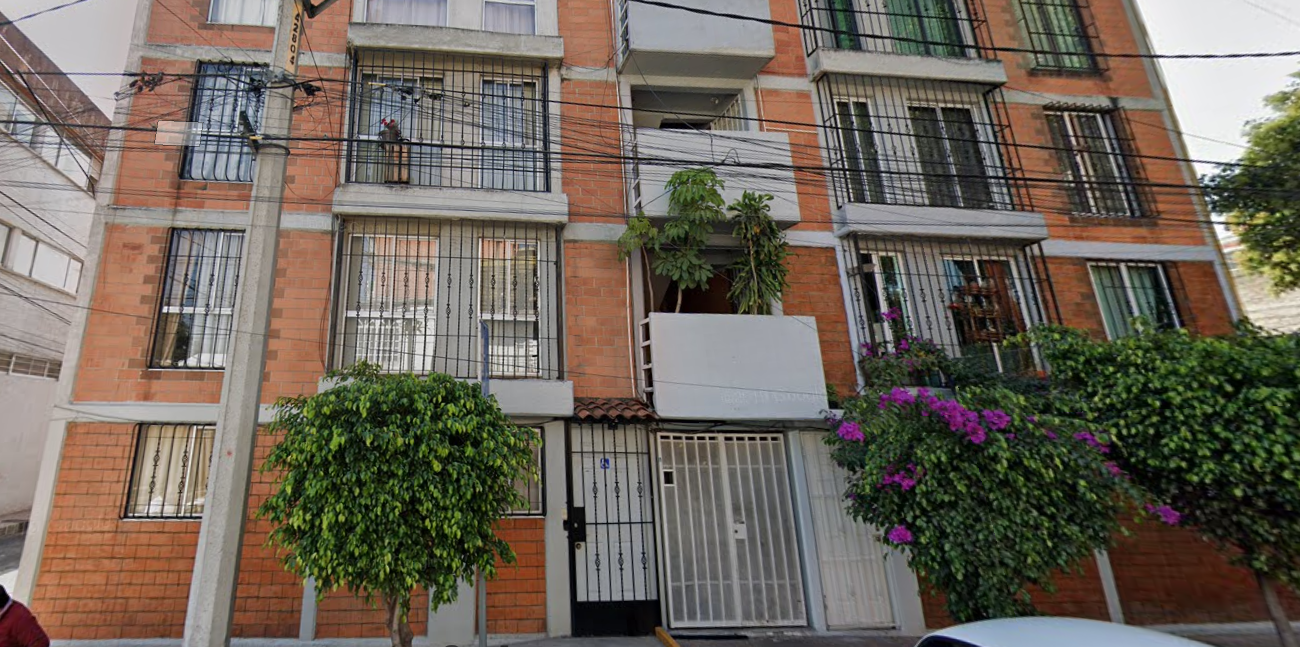
Context and Concept Development
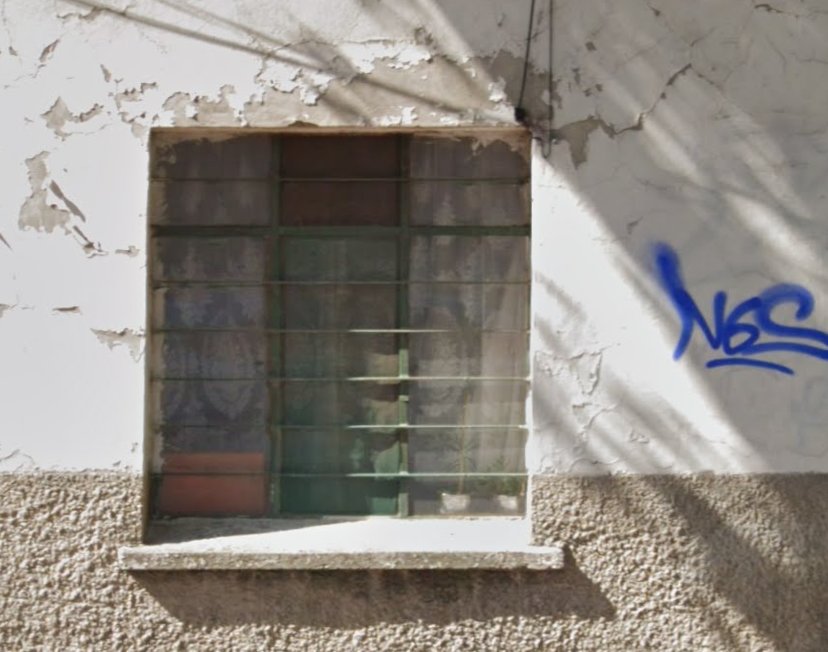
The design process began with an analysis of the architectural character of the Anáhuac neighborhood, particularly its façades, windows, protective metalwork, textures, and relationship with the street. These elements informed the proportions and visual language of the proposal without directly reproducing the surrounding architecture.
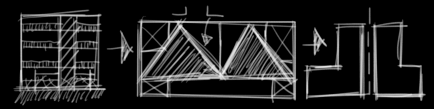
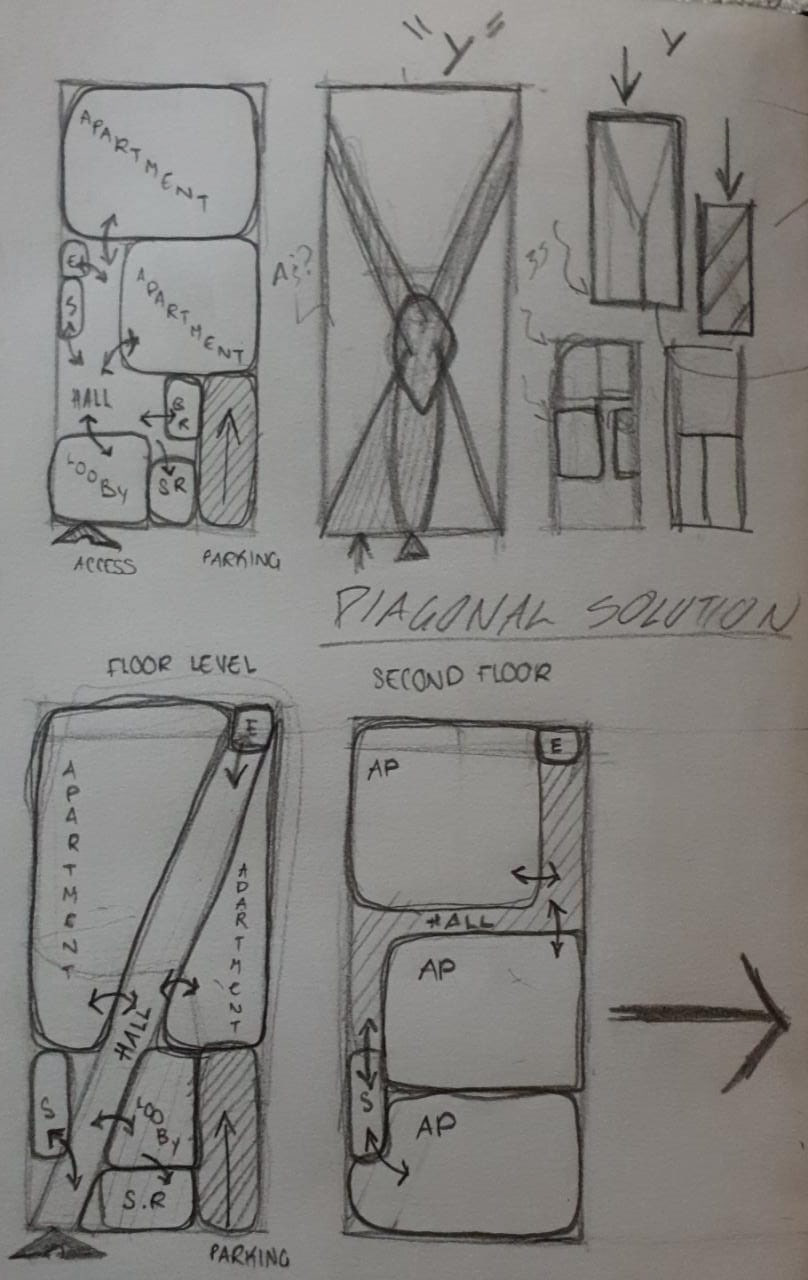
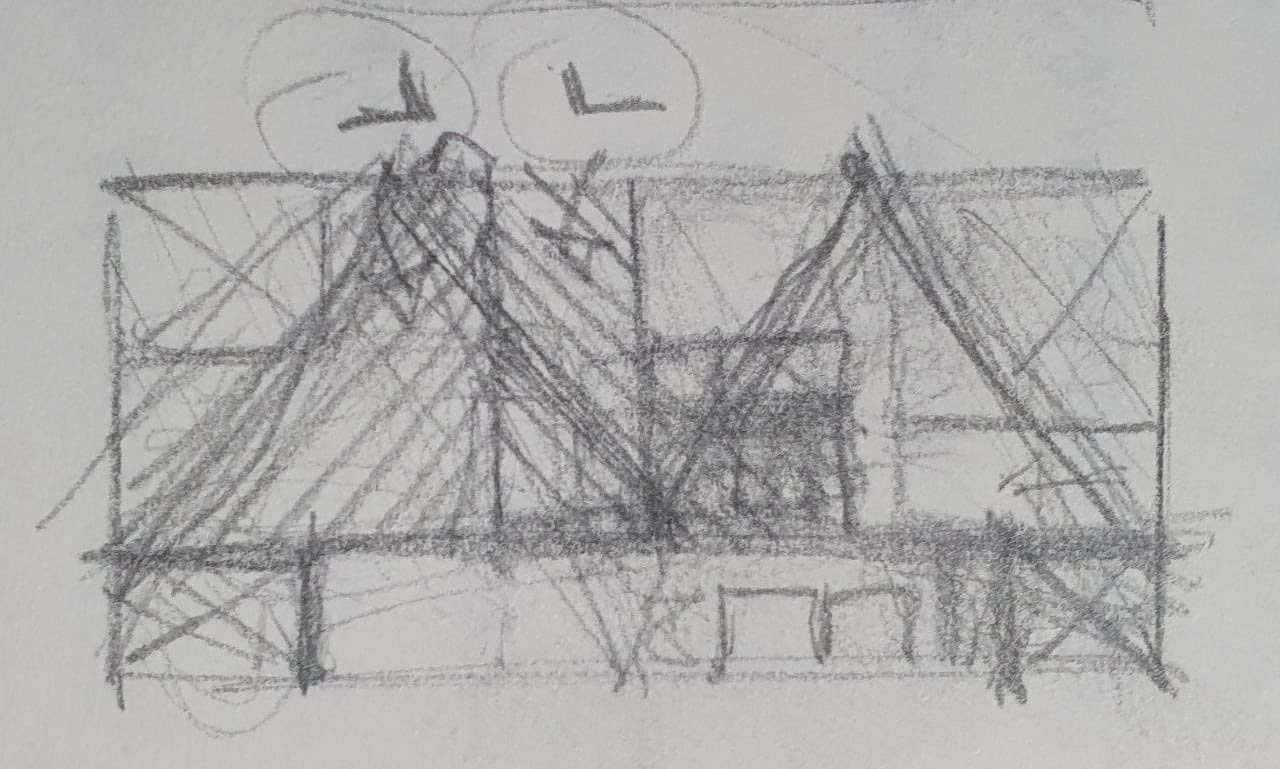
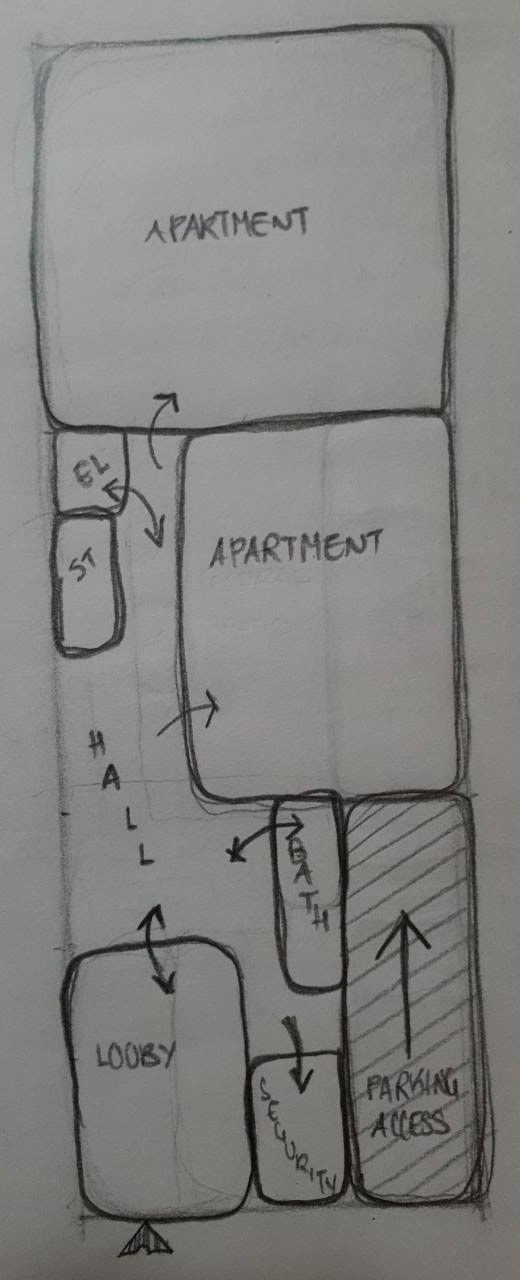
Early sketches explored an L-shaped residential scheme that could organize the apartments around a central circulation core while providing different orientations, balconies, and outdoor spaces. This configuration also helped distinguish the exterior street façade from the more private interior façade.
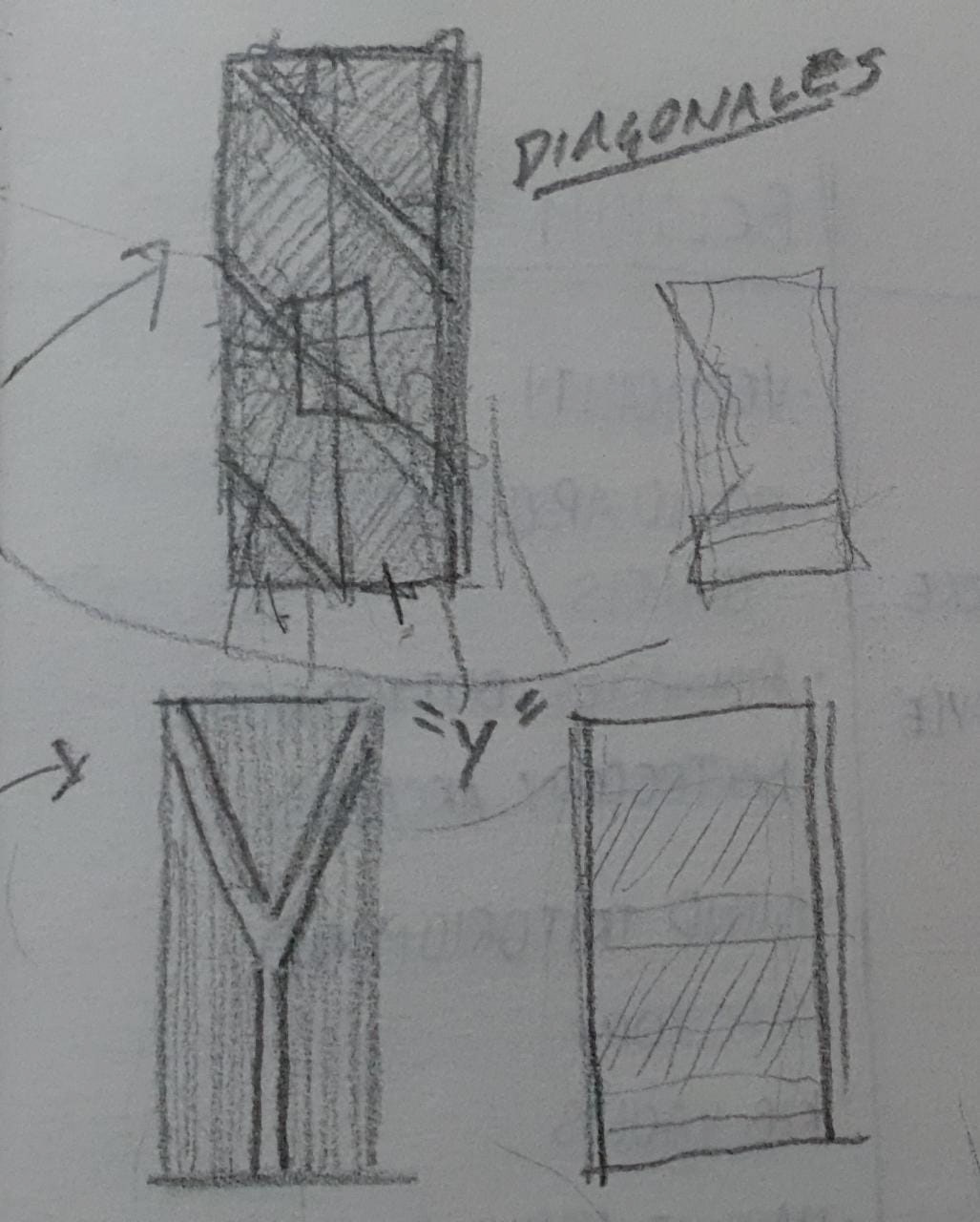
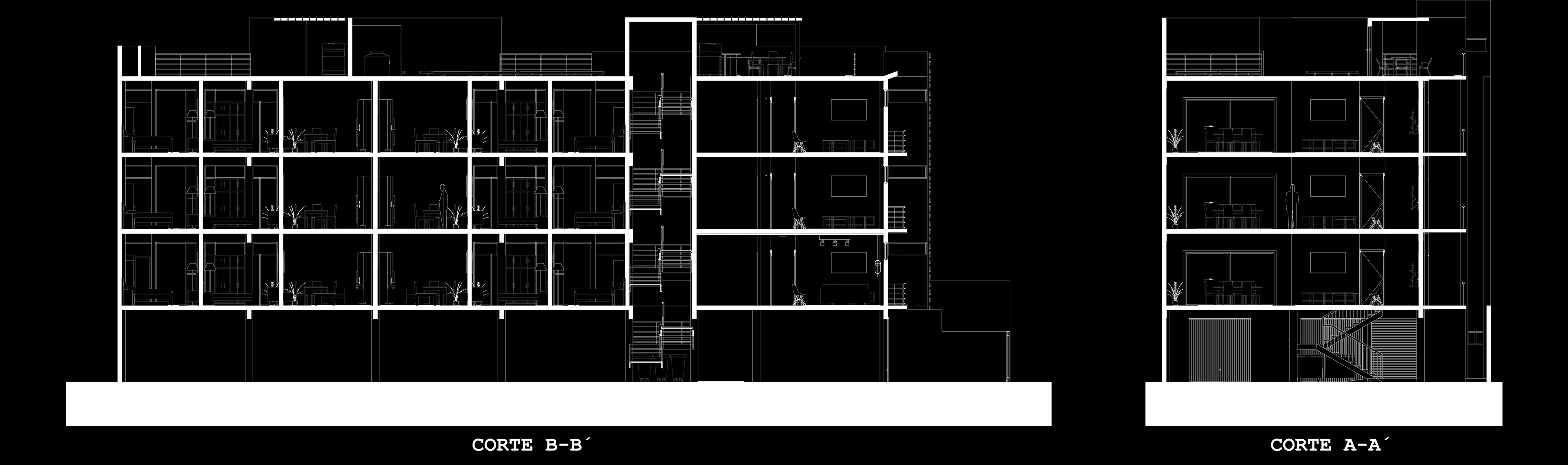
Architectural Drawings and Isometric Views
Renders
Insight Analysis
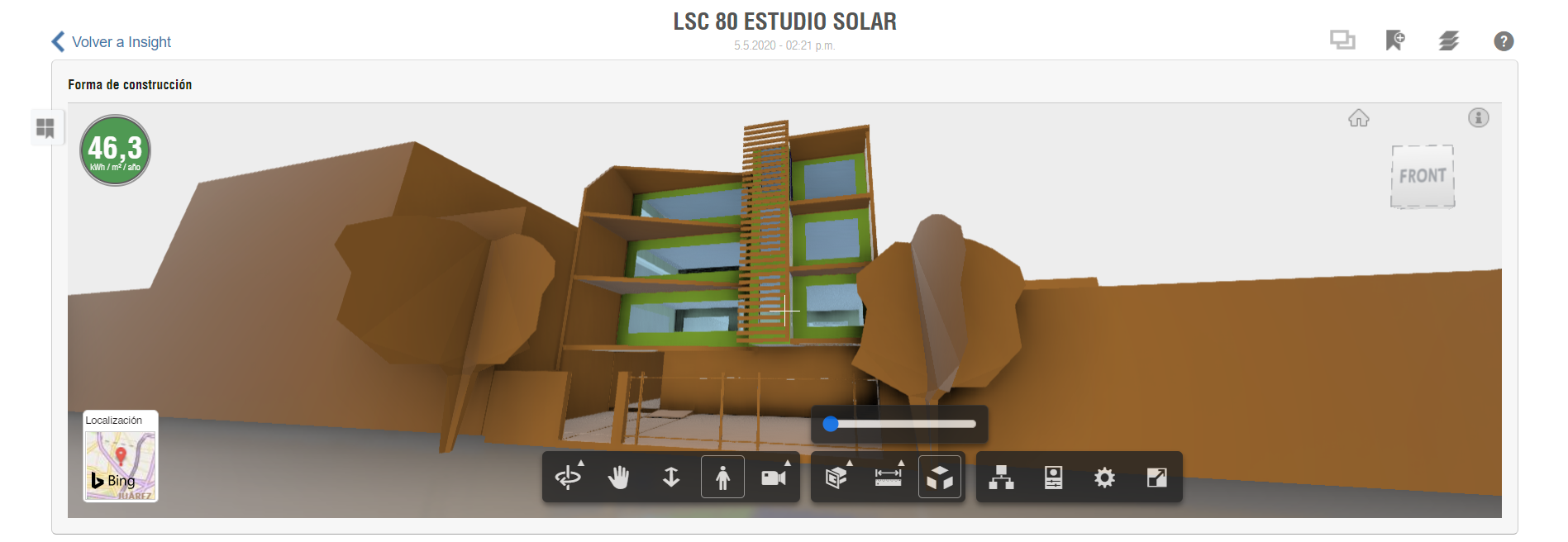
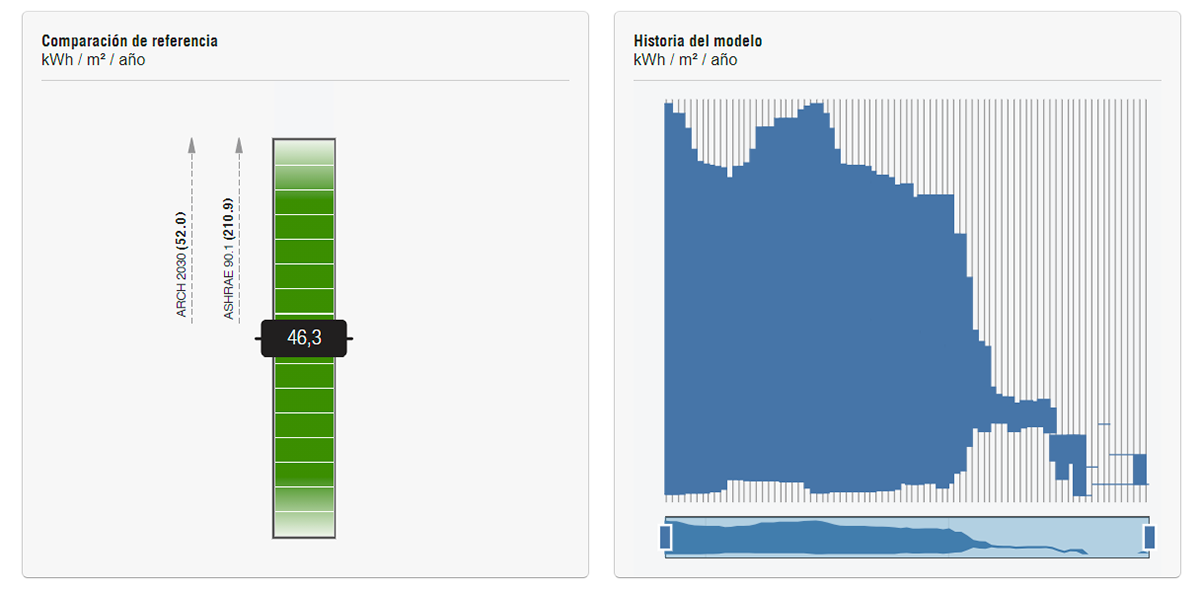
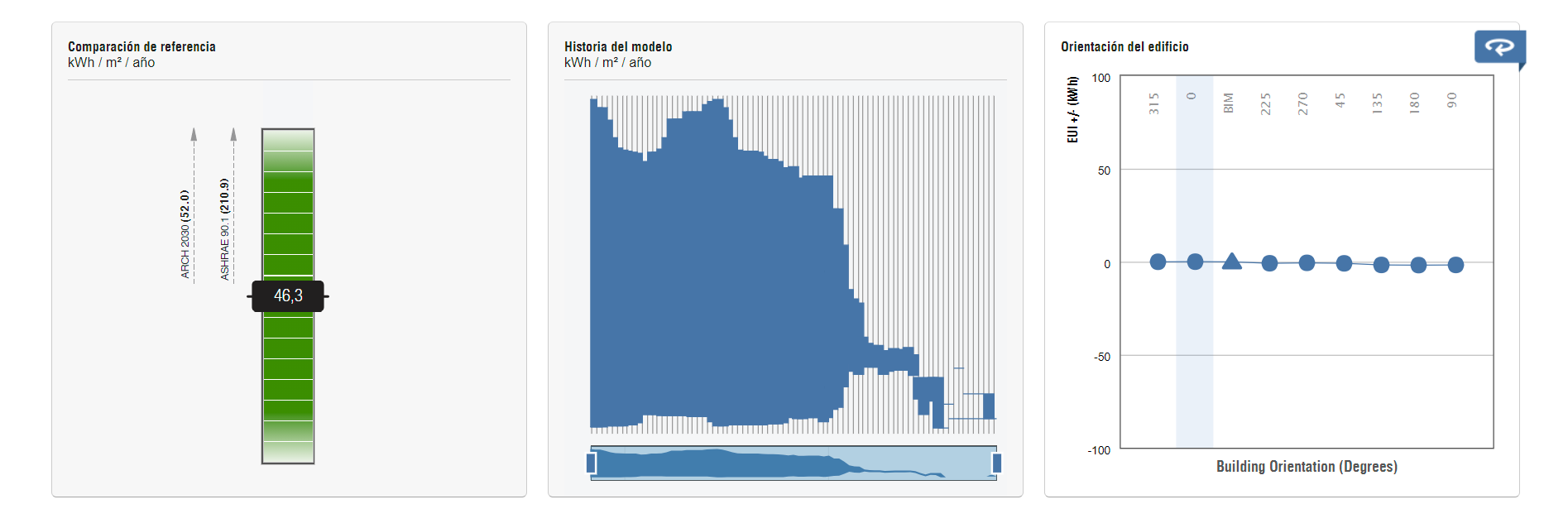
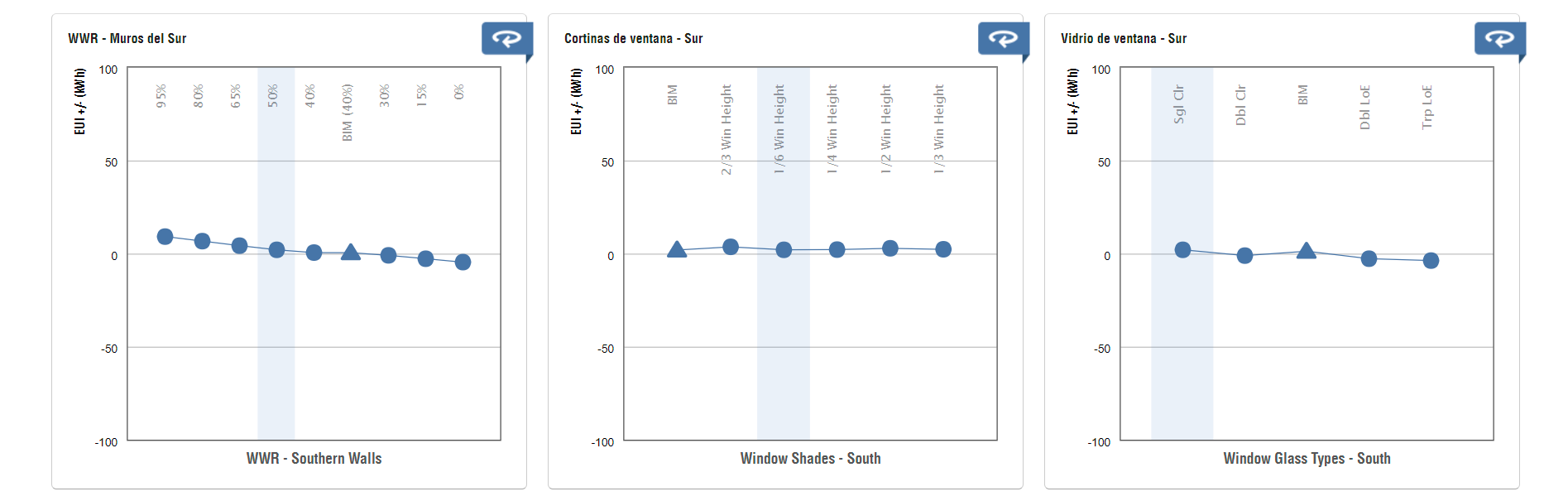
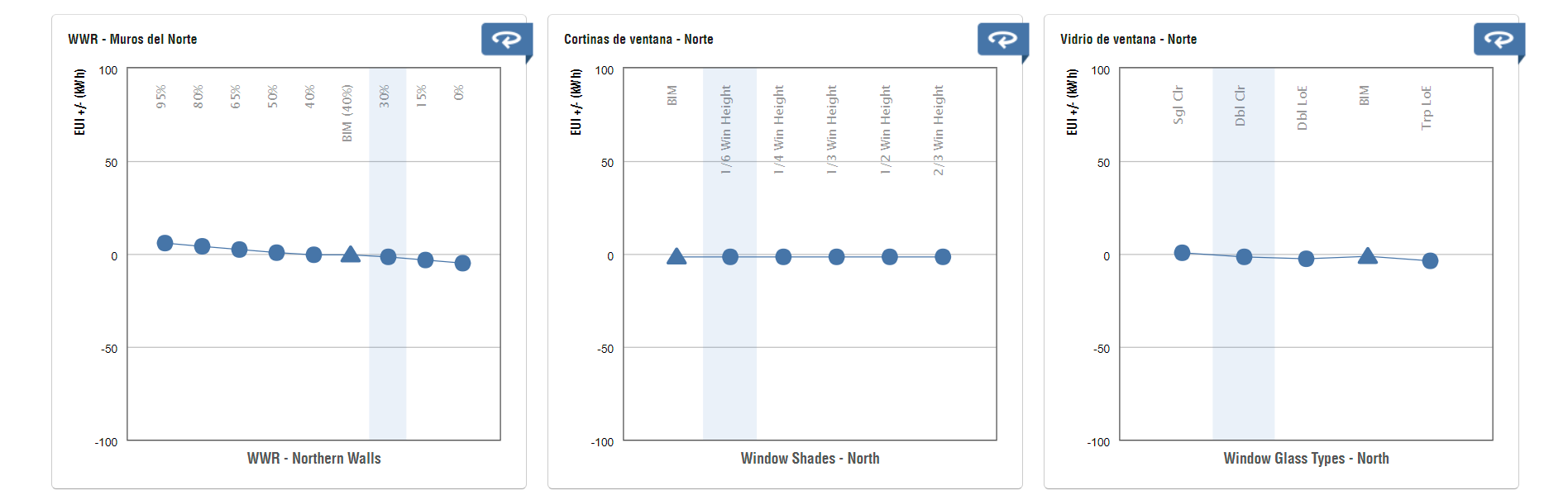
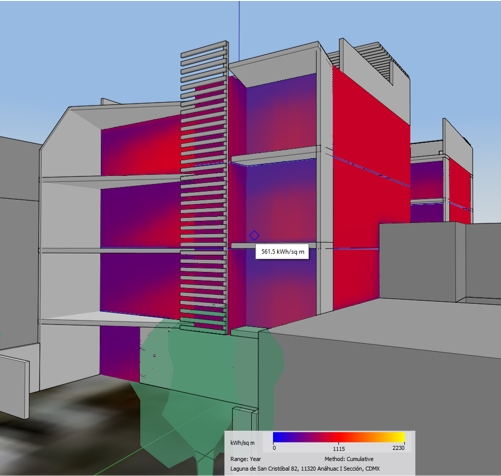
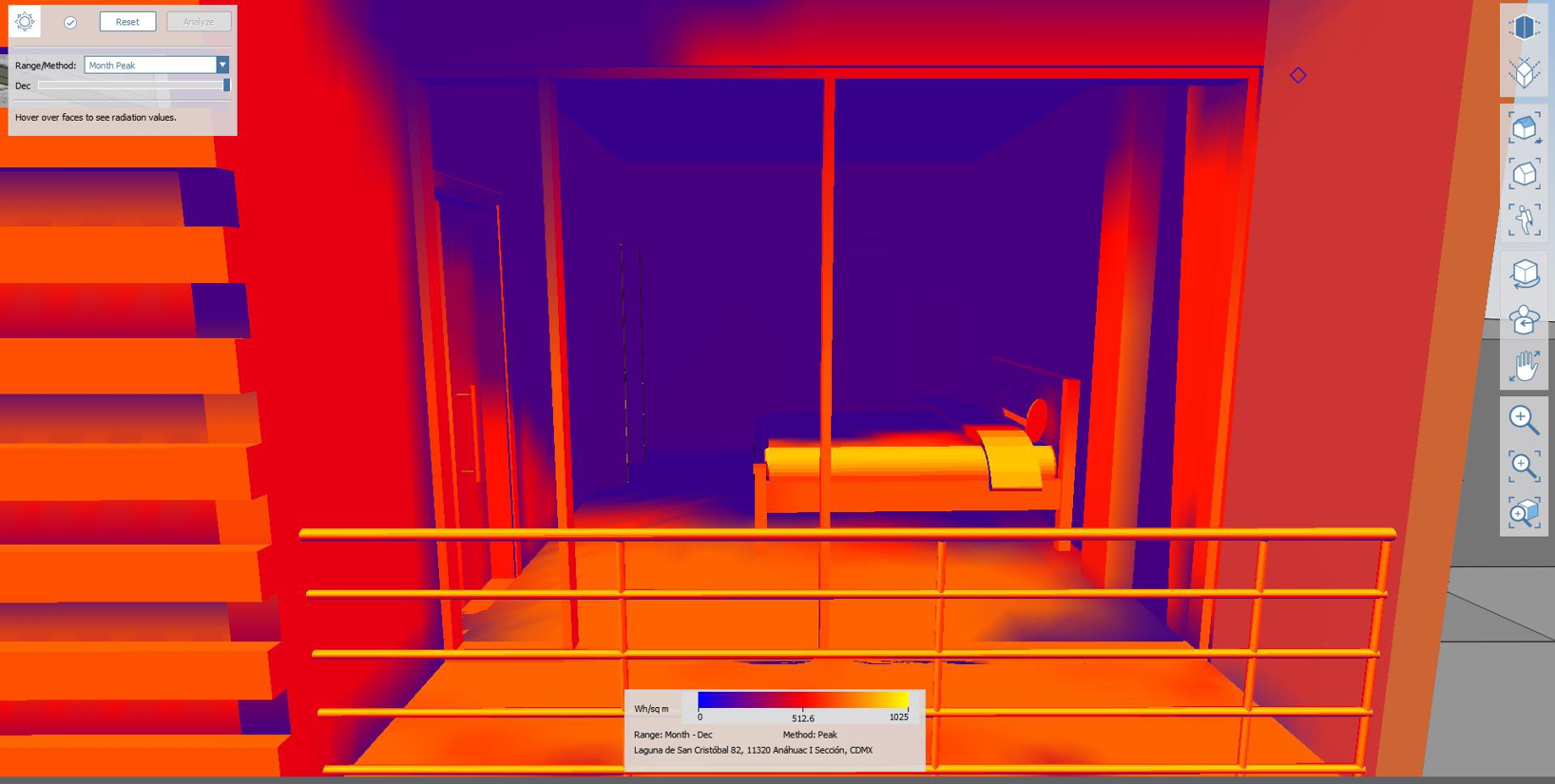
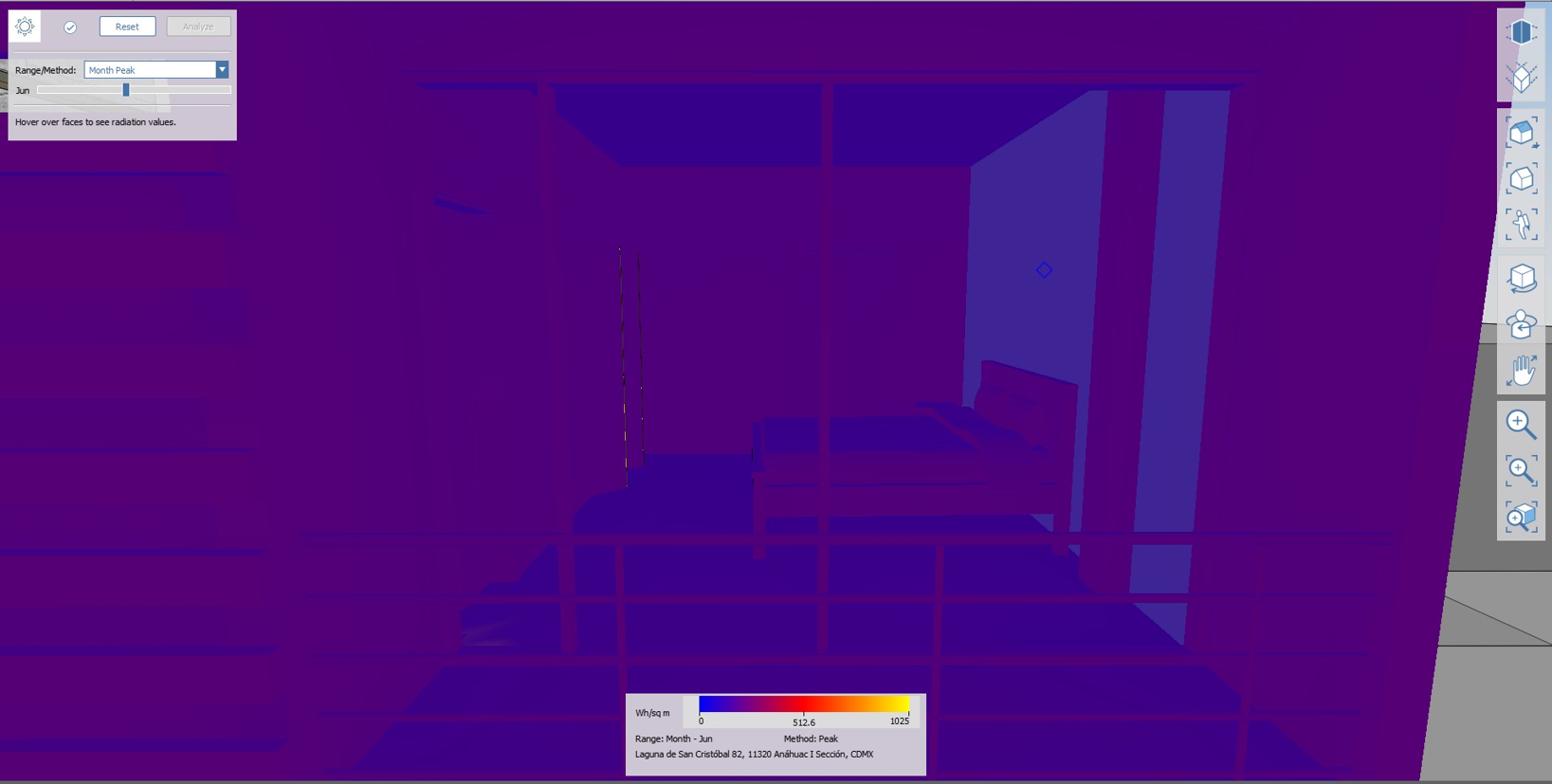
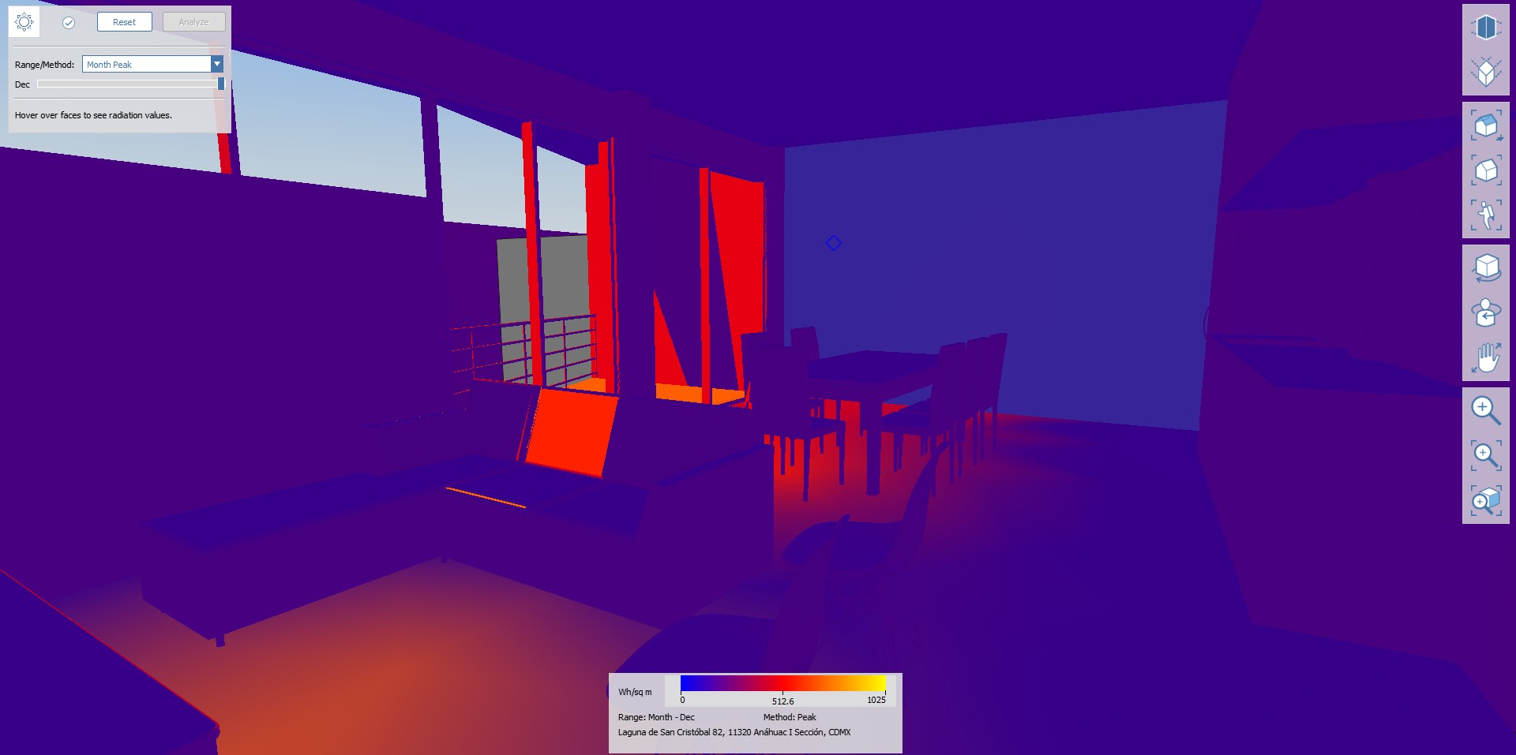
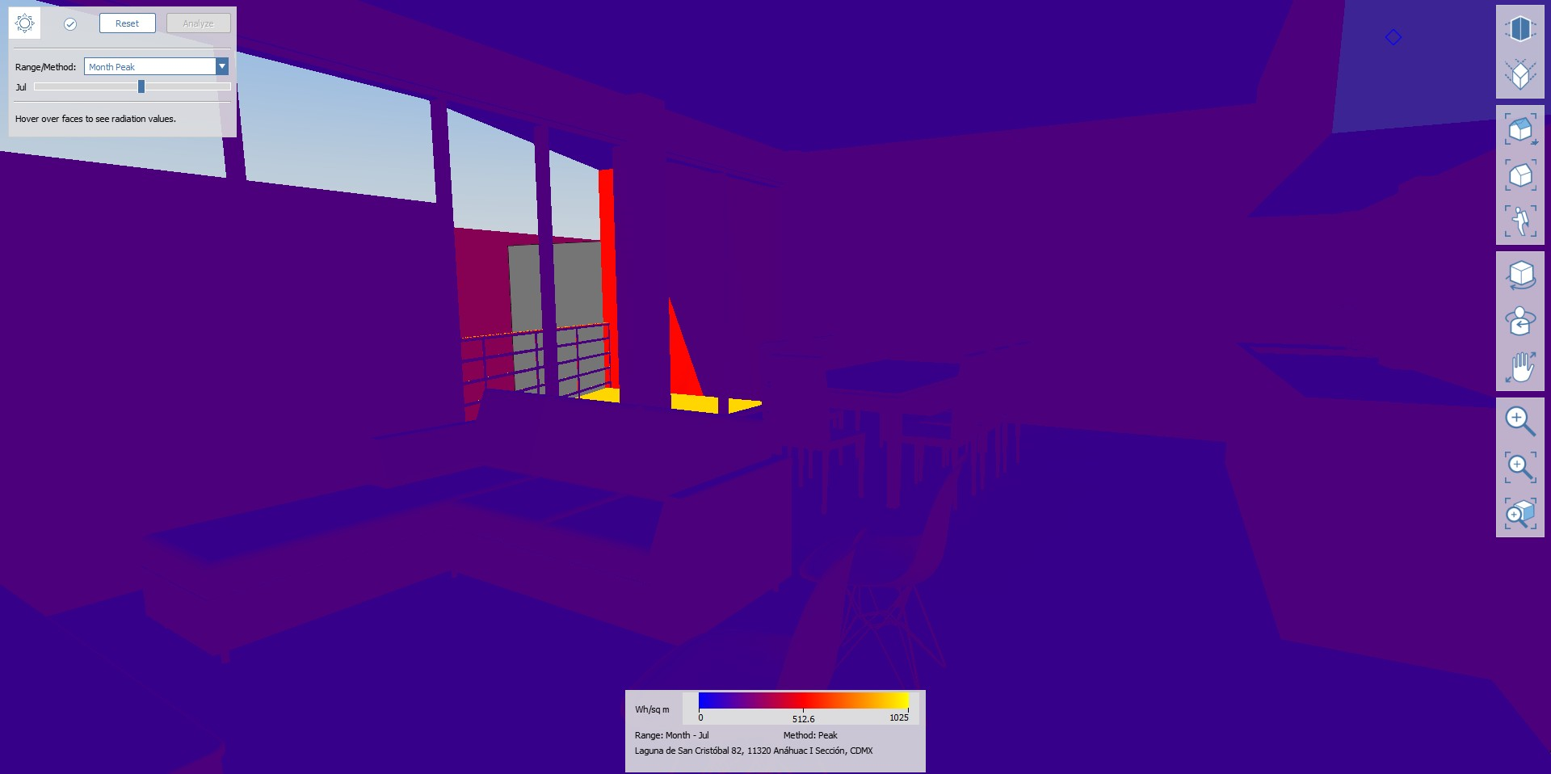
The project was later revisited as part of the Sustainable Design course to evaluate its environmental performance and determine whether the original proposal was technically feasible. The model was analyzed using Autodesk Insight, focusing on energy consumption, building orientation, wall performance, glazing, and solar exposure.
Based on the results, the proposal incorporated temperature-control systems, energy-efficient lighting, solar water heating, and photovoltaic panels. This second stage helped improve the project’s energy performance while preserving its original architectural concept and residential program.